Microcontrollers and Signal Processing
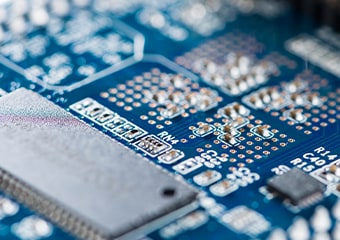
Microcontrollers (MCUs) play a central role in the operation of embedded systems. Selecting the appropriate microcontroller and designing a system that accurately captures analog signals from sensors and external devices as digital data directly impacts product performance and reliability.
This category starts with microcontroller architectures and types, and explains the causes and countermeasures for common real-world accuracy issues, such as “why a 12-bit ADC might only yield 10-bit equivalent accuracy” (due to noise, unstable reference voltage, and sampling design flaws). It also covers key points in non-volatile memory design that consider Flash/EEPROM write endurance, as well as practical methods for low-power firmware implementation, including selecting the right sleep modes, dynamic clock and voltage control, and minimizing CPU active time using DMA.
From microcontroller selection to analog signal processing and low-power design, we provide practical knowledge from a real-world perspective at the intersection of hardware and software.
- Microcontroller Types and Architectures
- Microcontroller Boards and Peripheral Boards
- Analog vs. Digital Signals
- Implementing Digital Filters
- Designing Non-Volatile Memory Storage
- Choosing Sleep Modes and Firmware Implementation Tips