Battery Life and Uptime Design for 24/7 Warehouse Operations
Warehouses that run 24/7 need mobile computers that survive a full shift on a single charge and can be recharged mid-shift, without losing work, when they don't.
In 24/7 warehouse environments, mobile computers need to last through long shifts without slowing workers down. When batteries drain too quickly, devices become unavailable, workers lose time, and routine tasks like picking, receiving, and inventory updates become harder to complete on schedule.
That is why battery life should be evaluated as more than a device specification. Long runtime, hot-swappable battery design, and backup power support all help keep warehouse teams moving when operations depend on continuous scanning and real-time data entry.
KEYENCE mobile computers are designed to support shift-length reliability by combining extended battery life with practical uptime features that reduce mid-shift interruptions and help workers stay productive across multi-shift operations.
Warehouses that run around the clock rely on mobile computers for order picking, inventory management, receiving, and real-time communication with warehouse systems. When those devices cannot stay powered through a full shift, the issue quickly moves beyond IT and becomes an operational problem.
Battery performance sits at the center of this challenge. A device may work well when it is new, but battery capacity naturally degrades with repeated use. Over time, workers may need to stop mid-task to find a charged device, swap a battery, or wait for equipment to become available.
Even short interruptions can affect throughput. A picker waiting on a device is not picking. A receiving associate with a dead scanner may delay inventory updates. A forklift operator without a working mobile computer may not be able to confirm location changes in real time. The longer these small delays continue, the more they chip away at productivity across the shift.
For warehouse teams, the goal is not just a stronger battery. The goal is a mobile computer that can stay available through demanding shifts, support quick battery changes when needed, and protect work in progress during the swap. That combination helps reduce the small interruptions that add up across a busy operation.
How Battery Downtime Slows Warehouse Productivity
These interruptions are easy to underestimate because they often happen in small moments throughout the day. A few minutes waiting on a replacement device or stopping to troubleshoot a low battery may not seem significant on its own, but repeated across workers and shifts, it can slow picking, receiving, replenishment, and inventory updates.
Battery downtime also creates inconsistency. If one worker has a fully charged device and another is trying to finish a shift with limited battery life, task completion becomes harder to predict. Reliable battery performance helps make daily operations more consistent from the start of a shift to the end.
Financially, the cost is often greater than most facilities realize. Even small delays in mobile transactions can add up over time through paid waiting time, slower task completion, and reduced throughput. Since labor is one of the largest warehouse operating expenses, device availability is not just an IT concern; it directly affects how efficiently the facility runs.
These operational costs point directly to the device features that actually prevent them.
Key Battery Design Features for Continuous Operation
Once battery downtime is understood as an operational issue, the next step is evaluating the features that help keep devices available throughout the shift.
- Extended battery life helps reduce the need for mid-shift charging and gives workers more confidence that their device will last through the tasks assigned to them.
- Hot-swappable battery design allows workers to replace a battery without fully shutting down the device, helping minimize downtime during long shifts or back-to-back work periods.
- Backup power support, such as a capacitor backup, helps protect work in progress during a battery swap. This is especially important when workers are scanning, entering data, or moving between tasks and cannot afford to lose progress.
How KEYENCE Mobile Computers Help Support Battery Life and Uptime
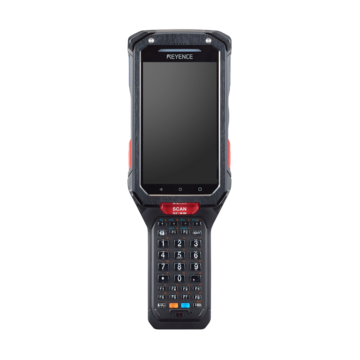
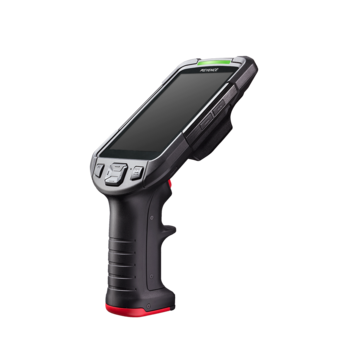
KEYENCE mobile computers are built for warehouse environments where device availability directly affects productivity. The BT-A600 series supports up to 32 hours of continuous use per charge, helping workers move through full shifts without needing to stop frequently for charging.
In addition to long runtime, the BT-A600 supports battery replacement with minimal interruption. This helps workers keep moving during long shifts instead of stopping work to recharge a device or search for a replacement unit.
The device also includes a capacitor backup that helps maintain power while the battery is being swapped. This feature is especially useful in active warehouse environments because it helps protect work in progress and reduces the chance of losing data during a mid-shift battery change.
While battery life is the main focus, warehouse devices also need to survive the conditions where they are used. The BT-A600 combines its uptime-focused battery design with rugged construction, a readable screen, and scanning performance that supports everyday warehouse tasks.
For facilities working to reduce battery-related downtime, KEYENCE can help evaluate mobile computer options based on shift length, charging routines, scanning needs, and warehouse workflows. This helps teams choose a solution designed to stay available when operations depend on continuous device use.
Best Practices for Keeping Mobile Computers Charged and Ready
Even with reliable battery design, warehouses still need clear routines to keep devices charged and available. Charging stations, shift-change procedures, and battery rotation practices help make sure workers start each shift with equipment that is ready to use.
A strong shift-change process is one of the easiest ways to reduce battery-related interruptions. Outgoing workers should return devices to charging cradles, while incoming workers should have a clear place to pick up fully charged units before beginning their tasks.
Battery rotation also helps maintain fleet reliability. When batteries are used and charged consistently across the device fleet, facilities can better identify aging batteries before they cause unexpected downtime during a shift.
Regular inspections of charging contacts, cradles, cables, and device condition can also prevent avoidable failures. Combined with mobile computers designed for long runtime and quick battery changes, these practices help warehouses keep devices ready across first, second, and third shifts.
FAQs
Q Why does battery life matter for warehouse mobile computers?
A
Battery life matters because workers depend on mobile computers to complete picking, receiving, inventory, and replenishment tasks. If a device loses power mid-shift, work may slow down while the worker finds a charged unit or replaces the battery.
Q What battery features support uptime in multi-shift warehouses?
A
Extended battery life, hot-swappable battery design, and backup power support are important features for uptime. Together, they help reduce charging interruptions, support quick battery changes, and protect work in progress.
Q How does a hot-swappable battery help warehouse workers?
A
A hot-swappable battery allows workers to change the battery without fully shutting down the device. This helps reduce downtime during long shifts and keeps workers moving with fewer interruptions.
Q How does KEYENCE help reduce battery-related downtime?
A
KEYENCE mobile computers support long runtime, quick battery replacement, and backup power features designed to keep devices available throughout demanding warehouse shifts. KEYENCE can also help facilities evaluate the best mobile computer setup for their shift length, charging routines, and workflow needs.