3D Printers
3D Printers
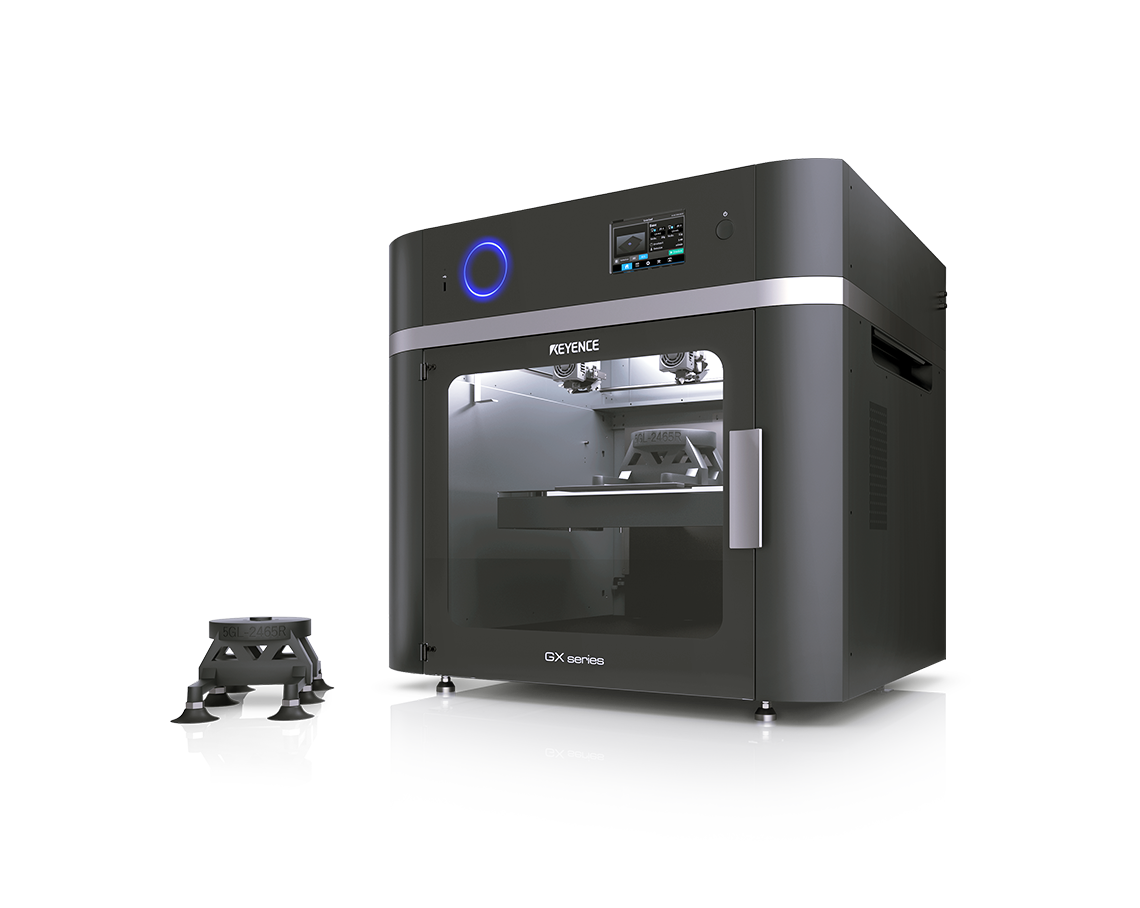
Industrial manufacturing demands 3D printing solutions built for real production environments. KEYENCE delivers industrial-grade filament-based additive manufacturing designed for reliability and consistency. Engineered around high-performance plastics, the GX platform enables durable, functional parts for jigs, fixtures, tooling, and production support—bringing dependable 3D printing directly to the factory floor.
Product Lineup
The GX-1000 Series is an industrial 3D printer capable of manufacturing large-format, complex components from engineering and high-performance plastics—directly on the production floor. Despite using a filament printing process, it eliminates the need for the complex settings often required by conventional systems. Common sources of error, such as warping, dimensional inaccuracies, and print failures, have been specifically eliminated. This allows the GX-1000 to be used immediately in any department, with no prior experience required. A newly developed algorithm with independently operating dual extruders ensures high printing speeds while maintaining consistent precision. Produce operating equipment, functional parts, tools, and fixtures in a fraction of the time—stable, dimensionally accurate, and ready for real-world use in a production environment.
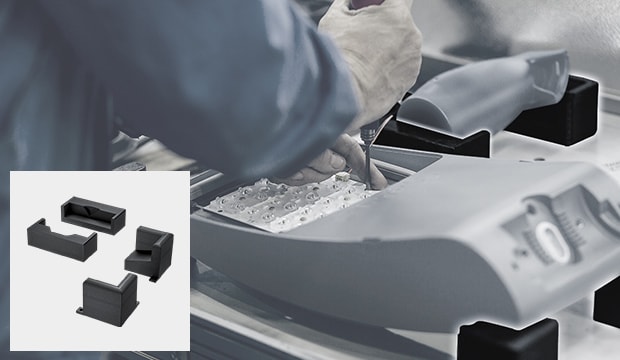
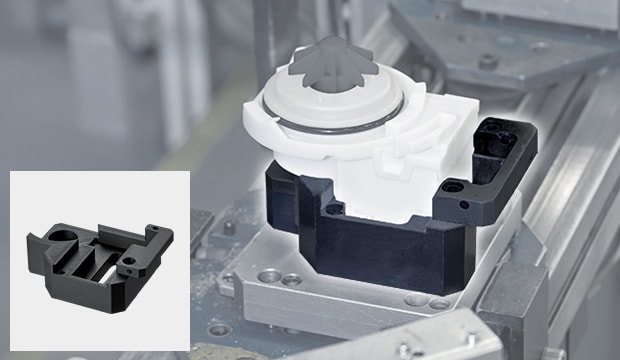
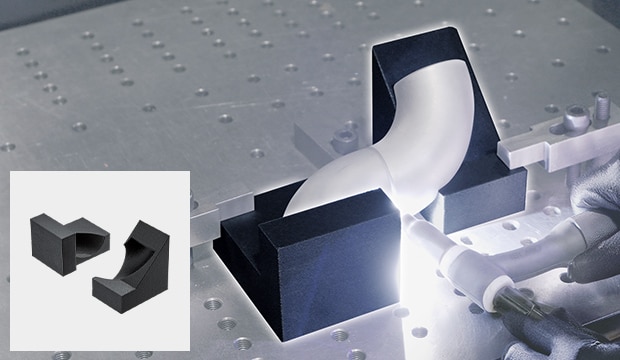
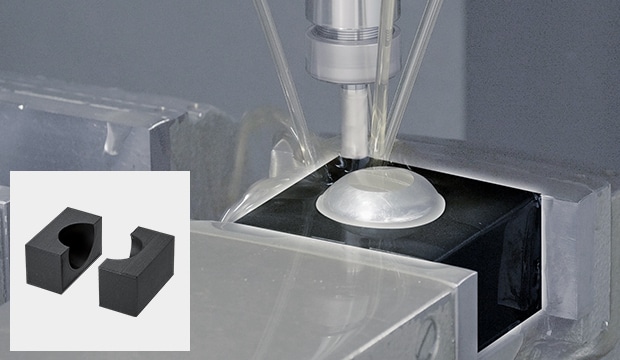
Using a digital design file as a guide, 3D printing technology builds components layer by layer. Manufacturers can use this approach to build intricate forms that would be costly or challenging to make using conventional techniques.
Contemporary industrial systems are made to be easier to use while still producing reliable outcomes. Production teams can use additive manufacturing more easily and with less setup time thanks to features like automated controls, robust material management, and optimized printing processes.
KEYENCE offers 3D printer products designed for manufacturers that need reliable parts without slowing down production. Instead of relying only on traditional suppliers, companies can create custom components, replacement parts, and production tools closer to where they are needed.
These 3D printing solutions support a wide range of manufacturing tasks, from prototyping and testing to creating finished components. By bringing production capabilities in-house, manufacturers can respond faster to design changes and reduce delays caused by outside production timelines.
Different additive manufacturing techniques are needed for various purposes. Filament-based systems, resin printers, powder-based devices, and metal 3D printers are the primary varieties of 3D printers. Depending on the item size, material requirements, surface finish, and manufacturing needs, each alternative has varying strengths.
KEYENCE focuses on industrial applications where dependability, precision, and ease of use are crucial. Industrial 3D printers are designed to produce useful components, such as fixtures, tools, inspection parts, and production equipment, that can be used in real industrial settings.
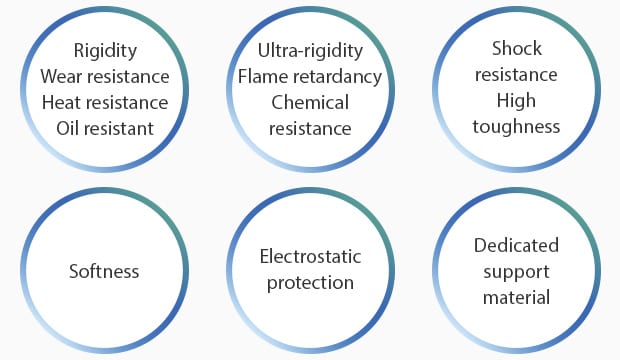
Material selection plays an important role in choosing the right 3D printer. Engineering plastics are commonly used for manufacturing applications because they provide strength, durability, and resistance to everyday production conditions.
The GX platform supports high-performance materials designed for functional parts. These materials allow manufacturers to produce components that are suitable for tooling, fixtures, machine accessories, and other production support needs.
Industrial 3D printing is used across many industries because it allows companies to create customized parts quickly. Automotive manufacturers use additive manufacturing for assembly tools, inspection fixtures, and prototype components. Aerospace companies use it for lightweight designs and specialized production aids.
Medical device, electronics, and general manufacturing companies also use 3D printing solutions to improve flexibility. From replacement parts to custom tools, manufacturers can create solutions that match their exact production requirements.
Manufacturers using 3D printing solutions often see improvements in production speed and flexibility. Teams can create custom tools, replace damaged components quickly, and test new designs without waiting for long manufacturing cycles.
Real-world applications include producing assembly fixtures, machine components, inspection tools, and other production support parts. These examples show how industrial 3D printing can become a valuable part of a company’s manufacturing strategy.
When comparing industrial 3D printers, manufacturers often look at reliability, ease of use, accuracy, and ongoing support. A printer designed for production environments should provide consistent results without requiring extensive operator training.
KEYENCE focuses on making industrial 3D printing practical for everyday manufacturing. The GX-1000 Series is designed to simplify operation while producing accurate, durable components for real-world applications.
The cost of industrial 3D printers depends on several factors, including printer size, material capabilities, speed, and production features. While the initial investment may vary, many manufacturers see value through reduced outsourcing costs, faster part production, and lower tooling expenses.
Companies should evaluate the total impact of a printer rather than only the purchase price. Savings from reduced downtime, faster repairs, and quicker design changes can provide significant long-term benefits.
Frequently Asked Questions About Industrial 3D Printers
KEYENCE offers industrial 3D printers designed for manufacturing applications, including the GX-1000 Series for producing functional parts, tools, and fixtures.
3D printing creates physical parts from digital designs by building material layer by layer. This allows manufacturers to produce customized components quickly.
KEYENCE 3D printers support engineering and high-performance plastics designed for durable manufacturing applications.
Industrial 3D printer costs vary based on features, capabilities, and application requirements. Companies should consider long-term savings from faster production and reduced outsourcing.