Common Automation Challenges (and How Manufacturers Address Them)
Industrial automation delivers clear benefits—greater speed, consistency, and efficiency—but implementing automation is rarely without challenges. In real manufacturing environments, teams often encounter technical, operational, and organizational obstacles that can limit the effectiveness of automated systems.
Understanding these challenges—and how manufacturers commonly address them—helps set realistic expectations and supports smoother, more sustainable automation efforts.
Challenge 1: Integrating Automation with Existing Equipment
Many manufacturing facilities rely on a mix of new and legacy equipment. Integrating modern automation technology into existing systems can be difficult when older machines were not designed for connectivity or data sharing.
How manufacturers address it:
Manufacturers often take a phased approach, starting with automation at individual stations or processes rather than attempting full system replacement. Interface components, adaptable control logic, and modular automation designs help bridge gaps between old and new equipment.
Challenge 2: Process Variation and Inconsistent Inputs
Automated systems are typically designed to perform consistent, repeatable tasks. Variations in parts, materials, or upstream processes can reduce reliability if not accounted for during automation planning.
How manufacturers address it:
Before automating, manufacturers analyze existing process variation and identify where standardization is needed. Sensors, inspection systems, and feedback loops are commonly used to detect changes and maintain stability during automated operation.
Challenge 3: Insufficient Planning and Scope Definition
Automation projects sometimes move forward without a complete understanding of process requirements, constraints, or long‑term goals. This can lead to systems that solve only part of the problem or introduce new bottlenecks.
How manufacturers address it:
Successful automation efforts typically begin with detailed process mapping and clear definition of objectives. Manufacturers evaluate current workflows, identify constraints, and set measurable goals before selecting automation technologies.
Challenge 4: Workforce Adaptation and Skills Gaps
Automation changes how people interact with production systems. Without proper preparation, teams may struggle to operate, maintain, or troubleshoot new automated equipment.
How manufacturers address it:
Manufacturers invest in training and involve operators and engineers early in automation projects. Clear documentation, intuitive interfaces, and cross‑functional collaboration help ensure
Challenge 5: Downtime During Implementation
Introducing automation can temporarily disrupt production, especially if installation or integration affects live processes. Unplanned downtime can offset expected productivity gains.
How manufacturers address it:
To minimize disruption, manufacturers often test automation systems offline or during scheduled maintenance windows. Staged commissioning and incremental ramp‑ups allow teams to validate performance without affecting full production.
Challenge 6: Scaling Automation Effectively
Automation solutions that work well for a single process do not always scale smoothly across multiple lines or facilities. Differences in layout, flow, or product mix can limit reuse.
How manufacturers address it:
Manufacturers design automation with flexibility in mind, using standardized components and modular architectures. This makes it easier to adapt solutions to different applications while maintaining consistency where it matters most.
The Role of Continuous Improvement in Automation
Automation is rarely a one‑time initiative. As production demands evolve, automated systems must be reviewed and adjusted to remain effective.
In manufacturing environments, teams often treat automation as part of a broader continuous improvement strategy, monitoring performance, identifying constraints, and refining processes over time to capture long‑term value.
Why Addressing Automation Challenges Matters
When automation challenges are anticipated and managed correctly, manufacturers are better positioned to:
- Achieve stable, reliable production
- Improve quality and throughput
- Build systems that evolve with future needs
Understanding these common obstacles helps manufacturers approach automation with clarity and confidence—turning complexity into opportunity.
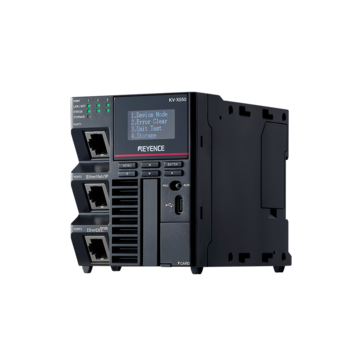
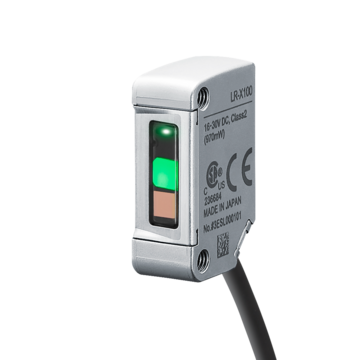
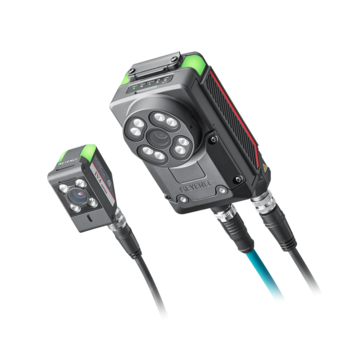
KEYENCE helps manufacturers overcome these automation challenges through a combination of process consulting and adaptable sensing, vision, and measurement solutions — enabling phased retrofits, in-line inspection, and real-time data collection to speed commissioning and improve uptime.
Frequently Asked Questions about Automation
Q How do manufacturers integrate automation with legacy equipment?
A
They use phased rollouts, protocol converters or gateway devices, modular control logic, and add retrofit sensors to enable connectivity without replacing all existing machines.
Q How long does it take to see ROI from automation?
A
Typical payback varies by scope but many manufacturers see payback in 12–36 months; pilots and KPI tracking (OEE, throughput, scrap rate) help demonstrate value faster.
Q What role does cybersecurity play in automation?
A
Cybersecurity is essential — best practices include network segmentation, secure remote access, patching policies, and OT/IT collaboration to protect controllers, HMIs, and IIoT devices.
Related Products
Related Downloads
-

KV-X Series Beginner's Guide Basic Programming Edition Free-form Layout Version
PDF: 12.31MB / English