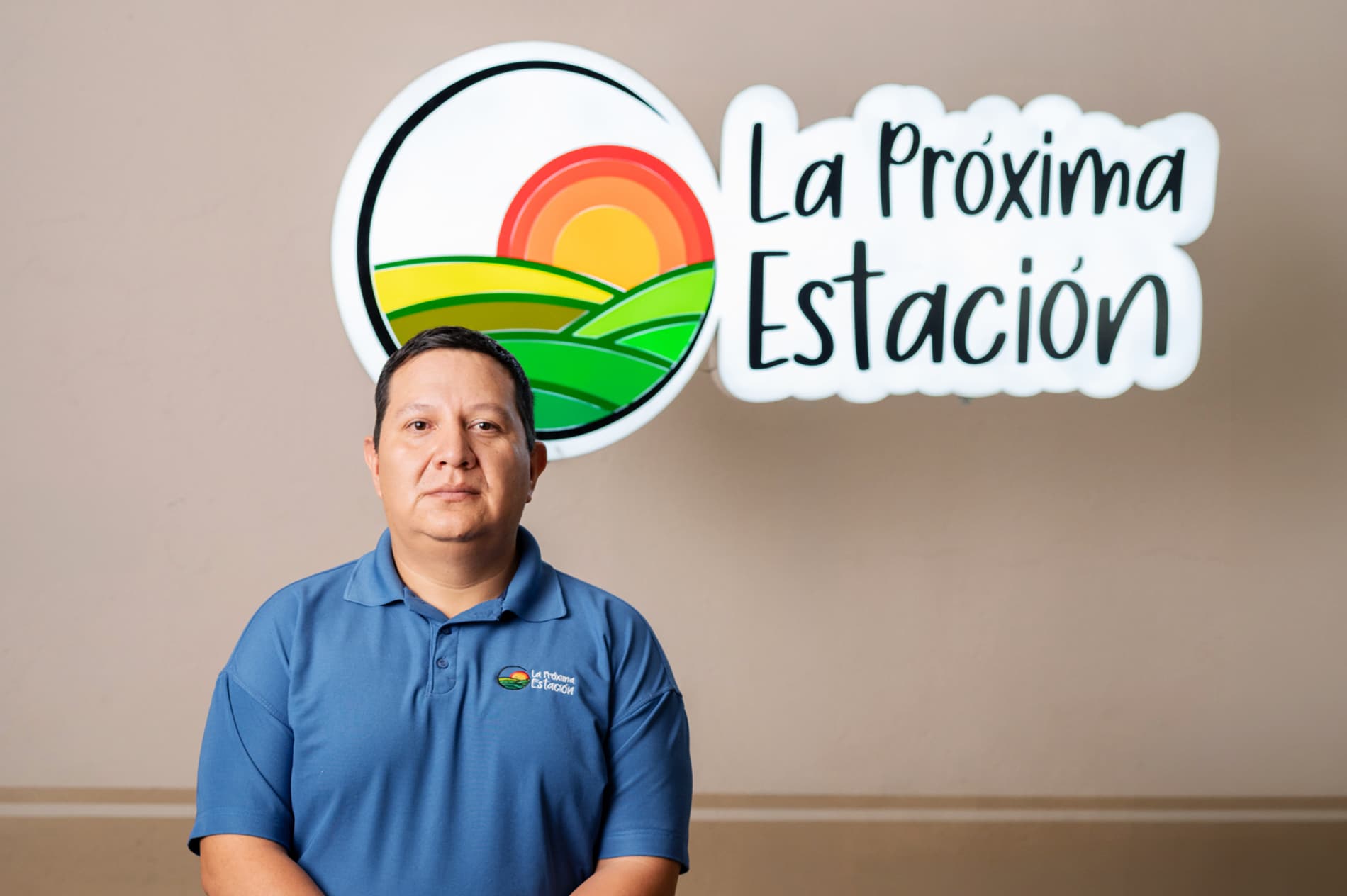
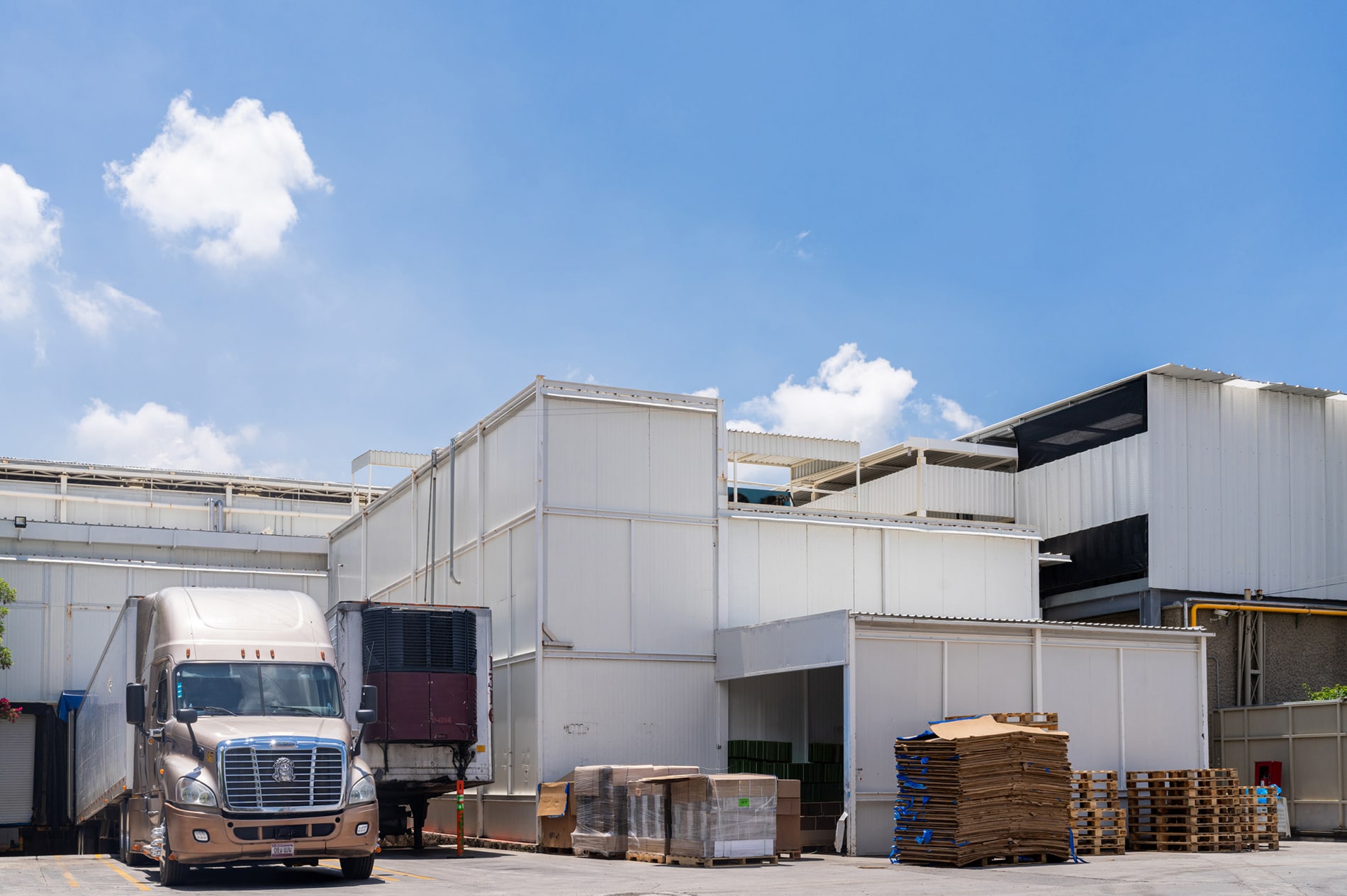
La Próxima Estación, a family-owned company in Irapuato, Mexico, processes and packages frozen and fresh fruits and vegetables — broccoli, cauliflower, mango, strawberry, and more — exporting nearly 98% of its production, mainly to the United States. To ensure the food safety required for export, the company operates two IV4 Series vision sensors from KEYENCE on its line. They detect off-color products and foreign matter and, combined with a rejection mechanism and an on-screen verification system built by the company itself, automatically remove defective products, automating safety verification.
Key points at a glance
- La Próxima Estación (Irapuato, Mexico) exports nearly 98% of its frozen and fresh products, mainly to the United States, and attaches great importance to ensuring food safety for export.
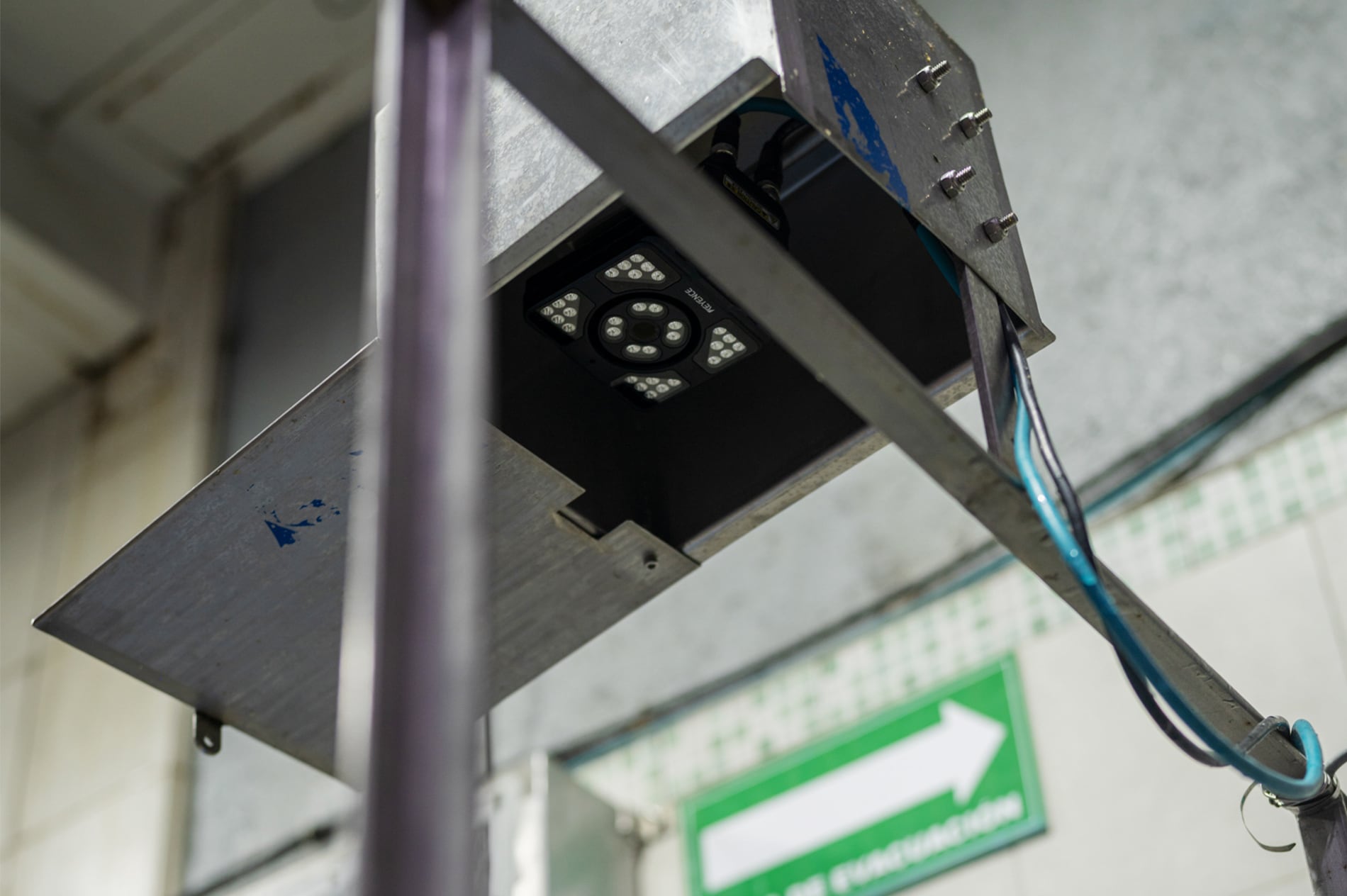
- Uses two IV4 Series vision sensors from KEYENCE to inspect the line for foreign matter and out-of-specification products.
- For example, broccoli must be green; if one comes out a little yellow, the camera detects it.
- The company built a system on its own to automatically reject defective products using the detection signal, and added a screen for an operator to confirm and remove them.
- This automates safety verification and allows the company to demonstrate its efforts to visiting suppliers, customers, and auditors.
ChallengeWhy did they want to automate the inspection on the product line?
Nearly 98% of La Próxima Estación’s production is exported, mainly to the United States, so it must meet high quality standards. Reliably ensuring product safety is a prerequisite for exporting. Specifically, the company needed to verify that there was no foreign matter on the line and that the product met the required quality—for example, that the broccoli had the correct color. A way to perform these checks without relying solely on manual labor was needed. Driven by management’s push to automate and gain efficiency and competitiveness, the company took the step toward vision sensors after KEYENCE’s UV laser marker.
“To detect any foreign matter on the line. For example, broccoli that does not meet quality standards.”
ApplicationHow do they use the IV4 Series sensors?
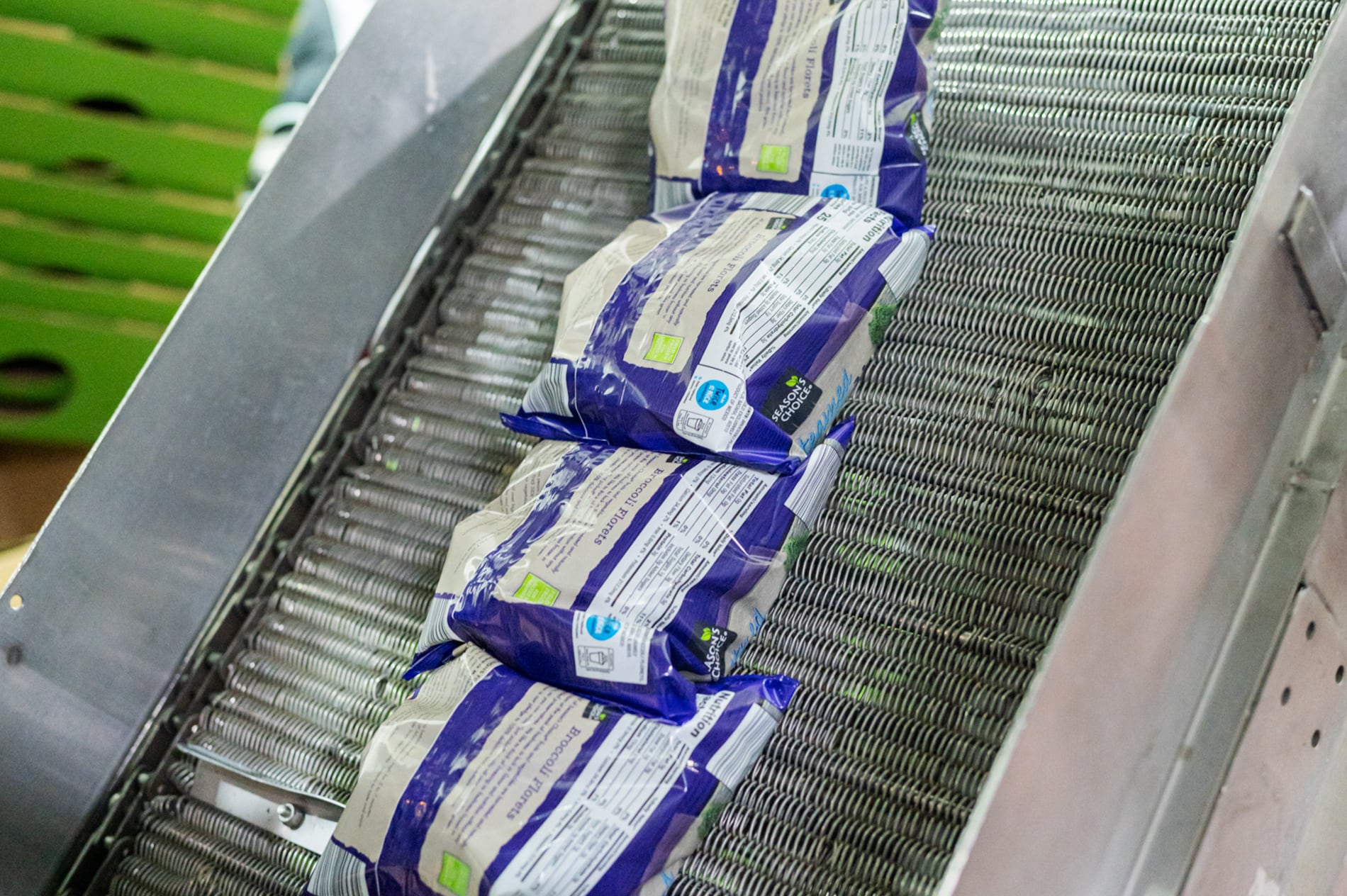
The company installed two IV4 vision sensors on the line to inspect for foreign matter and out-of-specification products. The logic is simple: broccoli must be green, and if one comes out a little yellow, the camera detects it. Furthermore, the company did not stop at detection: it built a rejection system on its own, tailored to its application. When the camera detects an anomaly, it outputs a signal and an ejector opens to remove the part. They also installed a screen that displays the inspection image: when something is detected, the conveyor stops, the operator sees on the screen where the detection is, removes the part from the line, and restarts the conveyor. While the IV4 is a general-purpose vision sensor, the company adapted it to its own safety inspection.
“If our broccoli must be green, it is green, but if it happens to come out a little yellow, the camera detects it.”
ResultsWhat changed with the camera inspection?
By combining the camera with its own rejection system, the company automated the detection and removal of foreign matter and out-of-specification products. This allows them to more reliably ensure product safety, which is essential for export. The company considers it a major advantage to be able to show visiting suppliers, customers, and auditors right there at the plant that they are working to ensure safety.
“When a visitor, a supplier, a customer, or even an auditor comes, they know that we are ensuring the safety of our product.”
EvaluationWhy the KEYENCE camera, and what is next?
What the company values about KEYENCE products is their versatility and wide range. Following the good results with the UV laser marker, they also adopted the vision sensor as another useful piece of equipment in many scenarios, adapting it to their safety application. Under its policy of efficiency and automation, the company plans to continue expanding its quality assurance and plant automation initiatives, and looks to KEYENCE for comprehensive line solutions, such as sensors and code readers.
“What we have liked about you is that you are versatile; you have a wide variety of equipment that can help us in many areas.”
Frequently Asked Questions
QWhich KEYENCE cameras (vision sensors) does La Próxima Estación use, how many, and for what purpose?
A
They use two IV4 vision sensors to inspect the line for foreign matter and out-of-specification products (for example, products that do not meet the required color). The goal is to ensure the safety of the food they export.
QHow do the cameras find and remove defective products?
A
For example, broccoli must be green; if one comes out slightly yellow, the camera detects it. The company built its own system that uses the detection signal to activate an ejector and automatically reject the part, and also displays the image on a screen to stop the line so an operator can confirm and remove it.
QIs the rejection system a KEYENCE product?
A
No. The ejector and screen that use the detection signal from the camera were built by the company itself for its own application. The company has adapted the camera for its safety inspection.
QWhat results have they seen from automating the camera inspection?
A
They automated the detection of foreign matter and out-of-specification products and can now guarantee the safety of their product. They can also demonstrate their food safety efforts to visiting suppliers, customers, and auditors.
QWhy do they use KEYENCE vision sensors?
A
The company uses several KEYENCE products, starting with the MD-U UV laser marker, and values the wide range of equipment and versatility to help in many situations. They adopted this camera as one of those products and adapted it to their safety application.