How 3D Printing Reduces Manufacturing Downtime
A conveyor gear cracks at 10 a.m. The supplier quotes six weeks. Meanwhile, the line sits idle and orders pile up. Stories like this are common, and they hurt. Many plants now look at 3D printing in manufacturing as a way to reduce manufacturing downtime. This guide shows where the delays come from and how printing can shorten them.
Key Takeaways
- 3D printing in manufacturing can reduce downtime by producing replacement parts faster than traditional sourcing methods in some applications.
- On-demand spare part production can reduce reliance on physical inventory and long supplier lead times.
- Manufacturers can use 3D printing to quickly create tooling, jigs, and fixtures needed to support production.
- Rapid prototyping allows design changes and replacement components to be tested and refined faster.
- In-house 3D printing can give manufacturers greater flexibility when responding to unexpected production delays or supply chain disruptions.
Why Manufacturing Downtime Happens
Machines break. That part is no surprise. The bigger problem is how long a fix takes. A worn bearing housing or a snapped bracket may be simple to replace, yet the part can take weeks to arrive.
Other causes pile on. Suppliers close or change a design. Old equipment loses part support. Tooling wears out, and a changeover stalls because a fixture is missing. Each wait adds lost output, overtime pay, and late shipments. Stocking every possible part is not realistic, since shelves cost money and space.
How 3D Printing Helps Reduce Manufacturing Downtime
A 3D printer builds a part layer by layer from a digital file. There is no mold to cut and no minimum order. If you have the file, you can print the part when you need it.
That changes the timeline. Instead of waiting on a supplier, a team can print a part in hours or a few days. Even if the printed part is only a stopgap, it can keep a line moving while the final one ships. Shorter waits mean fewer idle hours, and that is the core way printing helps cut downtime.
Producing Replacement Parts Faster
Parts that fail most often are usually small and plain in shape. Covers, guides, brackets, clips, knobs, and housings fit that list. They can be printed from tough plastics or even certain metals, depending on the machine.
Speed is not the only gain. Printing also lets you fix a weak spot. If a bracket keeps snapping at one corner, you can thicken that area in the file and print a stronger version.
Using 3D Printing for Spare Parts On Demand
3D printing for spare parts works like a digital shelf. Instead of storing hundreds of items, you store files. When something breaks, you print one. This frees up floor space and cuts the cost of parts that may never get used.
It also helps with obsolete equipment. When a maker no longer sells a part, you can scan the broken piece or rebuild it in CAD, then print a new one. Start by listing parts that fail often or take long to order. Those make the best first candidates.
Reducing Tooling and Fixture Lead Times
Production needs more than machines. It needs jigs, fixtures, gauges, and holders. Making these in a machine shop can take days or weeks, and the queue is often long.
Printing shortens that wait. A custom fixture can be ready the next morning. Teams use printed tools to hold parts during assembly, guide drills, or check a feature fast. Changeovers go smoother because the right tool is on hand.
Cost is another win. A printed fixture often costs a small share of a machined one, so teams can build several versions and keep the best. For a closer look at industrial options, see these 3D printers.
Accelerating Prototyping and Design Changes
Design changes can freeze a line if a team must wait on new parts to test. Rapid prototyping in manufacturing fixes much of that. A printed sample lets engineers check fit and function before they commit to a full run.
If the first version is off, they adjust the file and print again. Each round takes a day or two, not weeks. That pace helps when a replacement part must match an old one exactly or when a process change needs new hardware.
Testing early also prevents bigger errors. A small flaw caught on a printed sample costs little. The same flaw found after a large order can cost a lot.
Reducing Supply Chain Dependence With In-House 3D Printing
Long supply chains are fragile. A port delay, a shortage, or a vendor shutdown can leave a plant stuck. An in-house printer gives you a backup plan for many small parts.
You do not need to print everything. Even covering a handful of fast-failing items can ease the pressure. Teams gain control over timing, and they no longer depend on one vendor for simple parts.
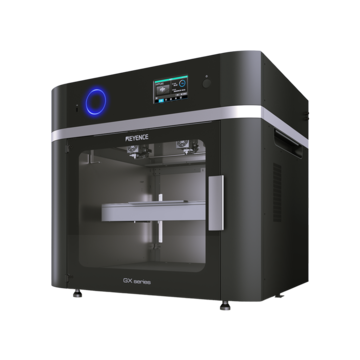
Some systems are made for factory use, with stable quality and easy workflows. The GX-1000 is one example worth a look. Check material strength, accuracy, and build size against your parts before you buy.
Where 3D Printing Fits Into Manufacturing Operations
Printing will not replace every process. Large metal castings, high-volume parts, and items with extreme heat or load needs still call for other methods. The sweet spot is low volume, fast turnaround, and custom shapes.
Many plants start small. They place a printer near maintenance or engineering, pick a few test parts, and measure the time saved. Track hours of downtime avoided and compare costs. If the numbers look good, expand to more parts and train more staff.
Keep a tidy file library, too. Name each part clearly, note the material, and record the print settings. That way, anyone on the team can print a part quickly when trouble hits.
Frequently Asked Questions
Q How can 3D printing reduce manufacturing downtime?
A
3D printing in manufacturing shortens the wait for parts, tools, and fixtures. Teams print what they need in hours or days instead of waiting weeks for a supplier.
Q Can 3D printers be used to make replacement parts?
A
Yes. Many plants print brackets, covers, guides, and housings. The part must be able to handle the load, heat, and wear of its job, so pick the material with care.
Q What types of spare parts can be produced with 3D printing?
A
Small plastic parts, custom clips, gears with light loads, jigs, and fixtures are common. Some machines can print metal parts for tougher uses.
Q How does rapid prototyping reduce production delays?
A
Rapid prototyping in manufacturing lets teams test a design in a day or two. Problems show up early, so fixes happen before production starts, not after.