The Real Cost of In-House vs. Third Party Calibration (And How to Choose)
Understanding the true costs and trade-offs between in-house and third party calibration helps organizations optimize their metrology programs while maintaining compliance and ensuring measurement accuracy.
Key Takeaways
- In-house calibration requires significant startup costs plus on-going annual costs, but high-volume facilities can achieve 10-25% savings on operating expenditures compared to outsourcing.
- Third-party calibration converts capital expenses into predictable per-unit costs, eliminating the need for specialized equipment, climate-controlled facilities, and ongoing technician training investments.
- Equipment downtime significantly impacts total calibration costs. Onsite and in-house methods minimize disruption, while third party laboratory services typically require 5-7 days turnaround plus shipping time.
- The break-even point between methods depends on calibration frequency and equipment complexity; organizations processing thousands of instruments annually often benefit from in-house operations.
- KEYENCE Metrology systems offer a cost-effective alternative, requiring only annual in-house recertification rather than full laboratory infrastructure, delivering speed and cost advantages without substantial capital investment.
Introduction
Choosing between in-house vs. third party calibration represents a critical decision that directly impacts operational costs, equipment downtime, and measurement reliability. Companies pursuing ISO 9001 compliance must prove metrological traceability to customers, making the right calibration method essential for maintaining quality standards[13]. The choice depends on several factors; cost per calibration, turnaround time, access to specialized expertise, and equipment portability[14][15]. Each calibration type offers distinct advantages: in-house calibration delivers quicker turnaround and lower per-unit expenses[14], while third party calibration provides access to accredited labs and specialized equipment. Understanding calibration standards, processes, and long-term financial implications helps organizations select the optimal approach for their precision measurement systems.
Understanding Calibration: What It Is and Why You Need It
Calibration compares a device under test against a reference standard with known accuracy to determine measurement error[1]. This process involves placing both instruments under identical conditions and documenting deviations between readings. A thermometer calibration, for instance, measures the device against a certified reference thermometer in boiling water to quantify accuracy drift[1].
Measurement instruments deteriorate through normal use. Components age, mechanical parts wear down, and exposure to heat, humidity, electrical surges, or physical stress pushes readings outside acceptable tolerances[1]. Manufacturing imperfections, random noise, and long-term drift compound these accuracy issues[1]. Without regular verification, instruments produce unreliable data that compromises product quality and process control.
Industries operating under FDA guidelines, ISO/IEC 17025, or GMP requirements mandate documented calibration at defined intervals[1][2]. Healthcare providers must verify equipment accuracy to prevent misdiagnosis[16]. Pharmaceutical manufacturers need precise measurements to avoid incorrect dosages that trigger recalls[17]. Manufacturing operations depend on accurate readings to maintain product specifications and reduce material waste[1].
Skipping calibration increases production costs through manufacturing errors leading to scrap and rework, false product acceptance, false product rejection, unplanned equipment shutdowns, and premature equipment breakage[18]. These consequences extend beyond financial losses to personal injury risks and regulatory penalties[17]. Regular calibration restores instrument accuracy and supports compliant operations across all measurement-dependent industries[1].
Types of Calibration Methods Available
Organizations access calibration through three primary delivery methods, each addressing specific operational requirements and equipment constraints. The calibration method selected influences turnaround time, equipment downtime, and total program costs.
Laboratory calibration requires shipping instruments to an accredited facility where technicians perform adjustments in controlled environments[6]. Service centers positioned near operational facilities reduce logistical challenges and offer pickup, delivery, or drop-off options[6]. Laboratory environments maintain strict controls over temperature, humidity, and barometric pressure to produce accurate results[7]. Turnaround times typically range from five to seven days for standard laboratory work[4].
Onsite calibration brings technicians and standards directly to the customer facility[8]. This calibration type eliminates shipping costs, reduces damage risk during transport, and minimizes equipment downtime[8]. Facilities with large instrument quantities or equipment too complex to move benefit most from onsite services[9]. Technicians calibrate instruments in their actual operating environment, providing process-specific adjustments that match real-world conditions[8].
Mobile laboratory services deploy transportable calibration units to multiple sites, completing work within one workday[6]. These units serve organizations operating across several locations with similar equipment or permanently mounted instruments requiring calibration[6]. Mobile labs extend ISO/IEC 17025 accreditation beyond fixed facilities, maintaining the same quality standards while delivering faster turnaround[10].
Cost Breakdown: In-House vs. Third Party Calibration
Establishing an in-house calibration facility requires startup investments in the hundeds of thousands of dollars plus annual costs to maintain operations[11]. These costs cover master standards, environmental chambers, metrology software, and technician training. NATA training courses cost $919 to $1,652 per person as of June 2026[5]. Climate-controlled rooms with strict temperature and humidity tolerances prevent thermal expansion from affecting measurements[5]. Organizations must also budget for the calibration of internal standards, which creates external dependency even within in-house models[5].
Third-party calibration converts these capital expenses into predictable operational costs through fixed per-unit pricing[5]. Accredited laboratories spread infrastructure costs across multiple clients, eliminating the need for individual companies to maintain specialized equipment[5]. Organizations commonly save 10 to 25% on overall operating expenditures by outsourcing calibration services[3].
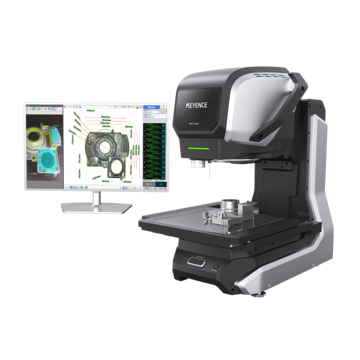
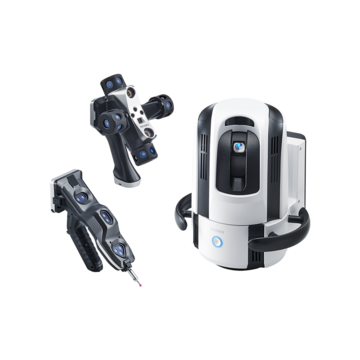
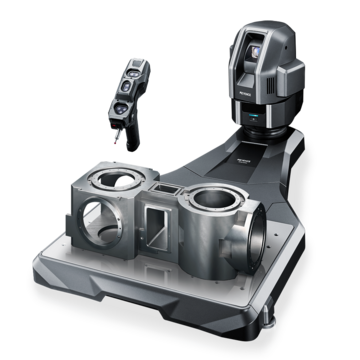
However, high-volume facilities processing thousands of instruments annually often achieve better ROI through in-house operations[5]. The break-even point depends on calibration frequency and equipment complexity[12]. KEYENCE Metrology systems, including the IM-X, XM, and WM Series, require only annual in-house recertification rather than external laboratory services. This approach reduces downtime, eliminates shipping delays, and maintains measurement accuracy without the full burden of establishing a comprehensive calibration laboratory.
Conclusion
The decision between in-house and third-party calibration ultimately depends on your equipment volume, budget constraints, and operational priorities. While third-party services eliminate capital investment, high-volume operations typically achieve better cost efficiency through internal programs. KEYENCE Metrology systems offer a practical middle ground, requiring only annual in-house recertification rather than extensive laboratory infrastructure. This approach delivers the speed and cost advantages of internal calibration without the substantial initial investment, reducing downtime while maintaining measurement accuracy.
FAQs
Q What exactly is calibration and why is it necessary for measurement equipment?
A
Calibration is the process of comparing a measurement device against a reference standard with known accuracy to determine measurement error. It's necessary because instruments deteriorate through normal use—components age, mechanical parts wear down, and exposure to environmental factors like heat, humidity, and physical stress pushes readings outside acceptable tolerances. Regular calibration restores instrument accuracy and ensures reliable data for quality control and process management.
Q What are the main types of calibration services available?
A
There are three primary calibration methods: laboratory calibration (shipping instruments to an accredited facility), onsite calibration (technicians come to your facility with equipment and standards), and mobile laboratory services (transportable calibration units that visit multiple sites). Laboratory calibration typically takes five to seven days, while onsite and mobile services reduce equipment downtime by eliminating shipping and performing calibrations in the actual operating environment.
Q How much does it cost to set up in-house calibration versus using third-party services?
A
Establishing an in-house calibration facility requires hundreds of thousands of dollars in startup costs with additional yearly costs for maintenance, standards, software, and technician training. Third-party calibration converts these capital expenses into predictable per-unit operational costs, with organizations commonly saving 10 to 25% on overall operating expenditures. However, high-volume facilities processing thousands of instruments annually may achieve better ROI through in-house operations.
Q What are the consequences of skipping regular calibration?
A
Skipping calibration increases production costs through manufacturing errors, false product acceptance or rejection, unplanned equipment shutdowns, and premature equipment failure. Beyond financial losses, consequences include material waste, potential personal injury risks, regulatory penalties, and compliance violations. In healthcare, uncalibrated equipment can lead to misdiagnosis, while in pharmaceutical manufacturing, it can cause incorrect dosages and product recalls.
Q Which calibration method is more cost-effective for my organization?
A
The most cost-effective method depends on your equipment volume, calibration frequency, and operational needs. Third-party services work best for organizations with lower volumes or specialized equipment, eliminating capital investment. In-house calibration becomes more economical for high-volume operations processing thousands of instruments annually. Some equipment, like KEYENCE Metrology systems, offers a middle ground requiring only annual in-house recertification, providing cost and speed advantages without extensive laboratory infrastructure.