Optical Comparator (Profile Projector)
What is Machining?
Key Takeaways
- Machining is shaping materials by cutting or forming using machine tools.
- Key equipment: lathe, CNC machines, machining centers, and turret tool changers.
- Core processes: turning, milling, drilling and boring for subtractive manufacture.
- Techniques include subtractive (milling/drilling) and additive (3D printing) approaches.
- Machine performance varies with environment; measure and monitor tooling and parts regularly.
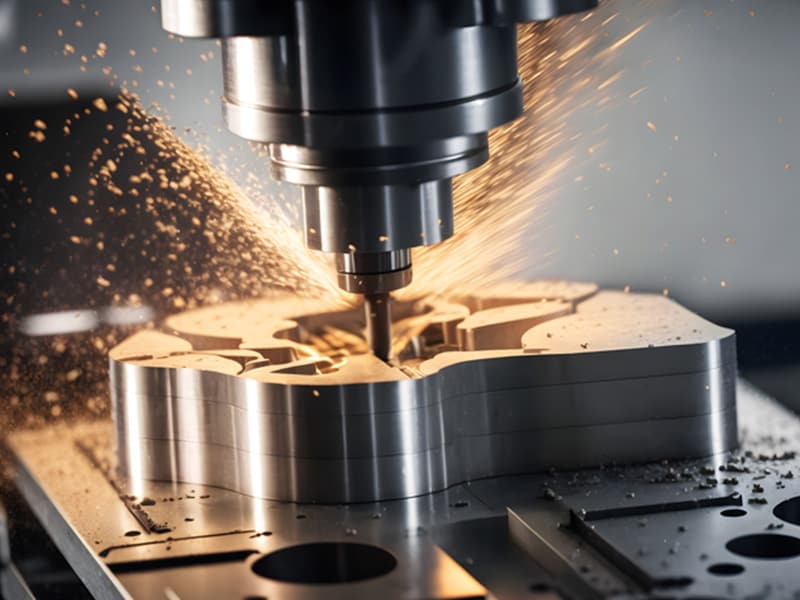
Machining is the process of using a machine to process materials by cutting, shaping, or otherwise. When machining, understanding a machine's specialties, processes, equipment, and techniques is necessary because not all machines perform the same way. Even the same machine will perform differently day to day, depending on temperature, ambient vibration, wear and tear, or other uncontrollable factors.
The machining process is usually performed on metals, but certain machines can also process plastics.
Understanding the Machining Process
The machining process transforms raw materials into finished components through controlled material removal or addition. Manufacturing facilities rely on this fundamental technique to create everything from automotive parts to aerospace components. Each step requires careful planning to achieve the desired specifications.
The capacity of industrial machining to consistently manufacture identical parts is what sets it apart. Depending on the material type, part geometry, and necessary tolerances, operators choose the best approach. For production runs to remain consistent, temperature control and vibration management are essential.
Cutting forces and tool contact have distinct effects on various materials. Although aluminum machines are quicker than steel ones, they need to cut at different speeds to avoid accumulating material on the tools. Because of its strength and resistance to heat, titanium poses difficulties that require specific tooling and cooling techniques. Successful operations are distinguished from those beset by quality problems by an understanding of these material behaviors.
Production numbers determine the best return on investment. When creating just a few parts, a hands-on arrangement could make more sense monetarily. Increased volumes make the initial investment in automation worthwhile because the efficiency savings accumulate over thousands of cycles. The secret is to balance equipment costs with future productivity benefits.
Machining Terminology
Lathe
A lathe machine is a type of machine tool that uses a tool bit and rotation to cut materials. It works by rotating material against a tool bit to remove the material forcefully. There are two types of lathes, CNC lathes and general-purpose lathes. The difference lies in the automation used for the lathe machine to work effectively. CNC lathes require computers to control the automatic lathe process, while general-purpose lathes rely on manual effort.
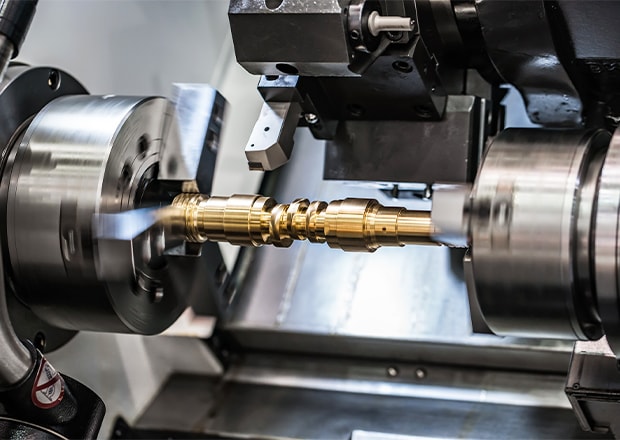
Computer Numerically Controlled (CNC) Machine Tool
A computer numerically controlled machine tool (CNC) is a machine embedded with a computer for functioning and following process instructions. CNCs use any type of machining process and are much more efficient than manual machines because they can use several processes at once and flexibly change processes throughout production.
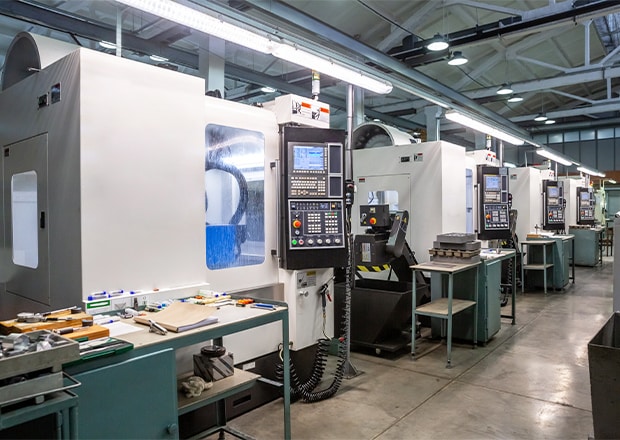
Machining Center
A machining center, also known as a milling machine, is a CNC machine tool that can mill, drill, bore, tap, and perform various other work, all without changing the attachment of the workpiece. It can use a turret to automatically bring different tools to the work location. Many machines have the ability to work with various tools, but the tool change and fixturing sometimes slow the process down. Using a machining center helps streamline this process by adding a computerized system that controls a retrieval arm for the machine to automate and quicken the tool exchange process.
Turret
A turret is a type of machine with multiple mounted tool bits, allowing for many different types of machine processing. Since CNC machine tools use automated systems that can be programmed to use several processes at once, this is an instance where a turret would be used.

Machining Processes
Turning
Turning uses a lathe machine and a tool bit to cut cylindrical or discoidal workpieces into round shapes by turning them with the lathe.
Milling
Milling is the subtractive manufacturing process of removing material from a larger piece of raw material stock, usually metal, to create final parts with a desired shape and size. The milling machine uses a cutting tool that rotates on a material and carves and shaves the surface until the desired form is achieved.
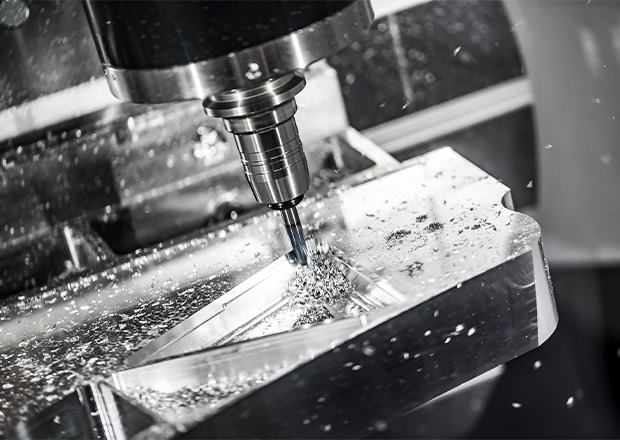
Drilling
Drilling is the machining or manual process of making a hole by rotating a tool (drill) into the material.
Boring
Boring is the process of putting a tool (reamer) inside a drilled hole to enlarge it.
Machining Techniques
Subtractive
Subtractive machining is a general term used when describing a machine that shapes a block of material by removing material to create the final product. Examples of this type of machining include drilling, boring, milling, cutting, and grinding.

Advancements in Machining Techniques for Efficiency
The way that shops handle production workflows has changed as a result of modern manufacturing. While sophisticated software anticipates maintenance requirements prior to failures, automated tool changers minimize downtime between operations. These upgrades enable facilities to finish tasks more quickly without compromising quality.
Real-time monitoring devices that track cutting forces and tool wear are increasingly a part of high-precision machining. Sensors detect minute variations in performance, allowing operators to make adjustments on the fly. Swiss machining represents one specialized approach that excels at producing small, complex parts with tight tolerances.
Coolant systems have evolved beyond simple flood cooling. Minimum quantity lubrication applies tiny amounts of fluid precisely where needed, reducing waste and improving visibility. Through-spindle coolant delivery directs cutting fluid under high pressure directly to the cutting edge, extending tool life substantially.
Complex geometries can be created in a single setup with five-axis machining centers. Previously requiring several fittings and relocation, parts can now be finished without relocating the workpiece. This feature avoids errors produced during component transfers between procedures and cuts down on handling time.
The Role of Image Measurement Systems in Machining
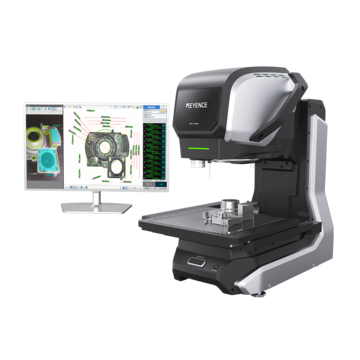
Following any manufacturing procedure, verification is crucial. Without coming into contact with the surface, image measurement systems record comprehensive information on completed parts. This non-contact method offers thorough dimensional examination without causing harm to delicate features.
Light projection creates patterns that these systems analyze to capture part geometry. Different angles and brightness levels expose details that standard measuring tools often miss. Comparing the actual part against its digital blueprint helps operators quickly spot where dimensions don't match up.
Benefits of Precision Machining in Manufacturing
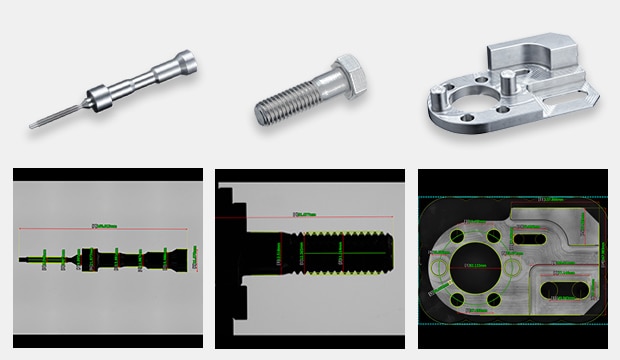
Precision manufacturing delivers tighter tolerances than conventional methods. Parts fit together properly the first time, reducing assembly issues and warranty claims. Industries like medical device production and aerospace depend on this level of accuracy for safety-critical applications.
Cost savings emerge from reduced scrap rates and fewer quality rejections. When components meet specifications consistently, manufacturers spend less time on rework and quality inspections. Micromachining takes this concept further by creating features measured in micrometers, opening possibilities for miniaturized electronics and medical implants.
When manufacturers are able to ensure dimensional correctness, supply chain reliability increases. Partners that deliver conforming parts on time and without any surprises are valued by customers. Longer business partnerships and chances for larger contracts result from this dependability.
Maximizing Precision With Image Measurement Systems
Multiple production phases must be verified in order to achieve consistent outcomes. Operators can adjust machine settings with the aid of feedback from image measurement devices. Entire batches are kept within acceptable bounds by detecting dimensional drift early.
Closed-loop quality control is achieved through integration with production execution systems. When trends point to possible issues, statistical process control software receives measurement data directly and generates alarms. This proactive strategy reduces manual inspection labor while upholding precision manufacturing standards.
When measurement systems provide inspection reports automatically, documentation is made easier. Complete dimensions data, pictures, and pass/fail outcomes for every component are all included in digital records. This degree of traceability is becoming more and more requested by customers, especially in regulated businesses where audit trails demonstrate compliance.
Machining Measurement Tools
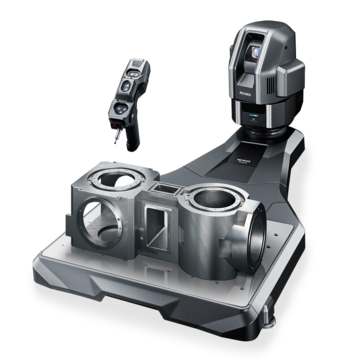
Do you need to measure your machines with holes, curves, edges, and height differences? KEYENCE specializes in measuring tools for machining. Our machining measurement tools are portable, user-friendly, and cover meters of range, no matter how complex the machine. Request your demo for machining measurement tools today!

Frequently Asked Questions
What Is the Difference Between Traditional Machining and Precision Machining?
While standard machining yields tolerances suitable for everyday uses, precision manufacturing keeps dimensions within a few thousandths of an inch or less. Environmental controls, specialized equipment, and strict quality assurance are necessary for precision work.
How Do Image Measurement Systems Improve Machining Accuracy?
By giving operators instant dimensional input, these technologies enable them to modify cutting parameters before creating faulty pieces. In a matter of seconds, they record entire surface profiles, exposing problems that manual gauges are unable to identify.
What Are the Most Common Machining Techniques Used in Manufacturing?
The most common machining techniques include milling, turning, drilling, grinding, and boring, which remove material through cutting or abrasive action to create precise part features.
Related Products
Related Downloads
-
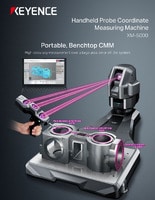
XM Series Handheld Probe Coordinate Measuring Machine Catalog
Brochure for the XM-5000 Series Handheld CMM. Portable CMM to easily and accurately measure 3D and GD&T features anywhere including the shop floor and in the machine tool.

![YOUR GUIDE TO ADVANCED MEASUREMENT TECHNIQUES [New Common Measurement Practices]](/img/asset/AS_161643_L.jpg)