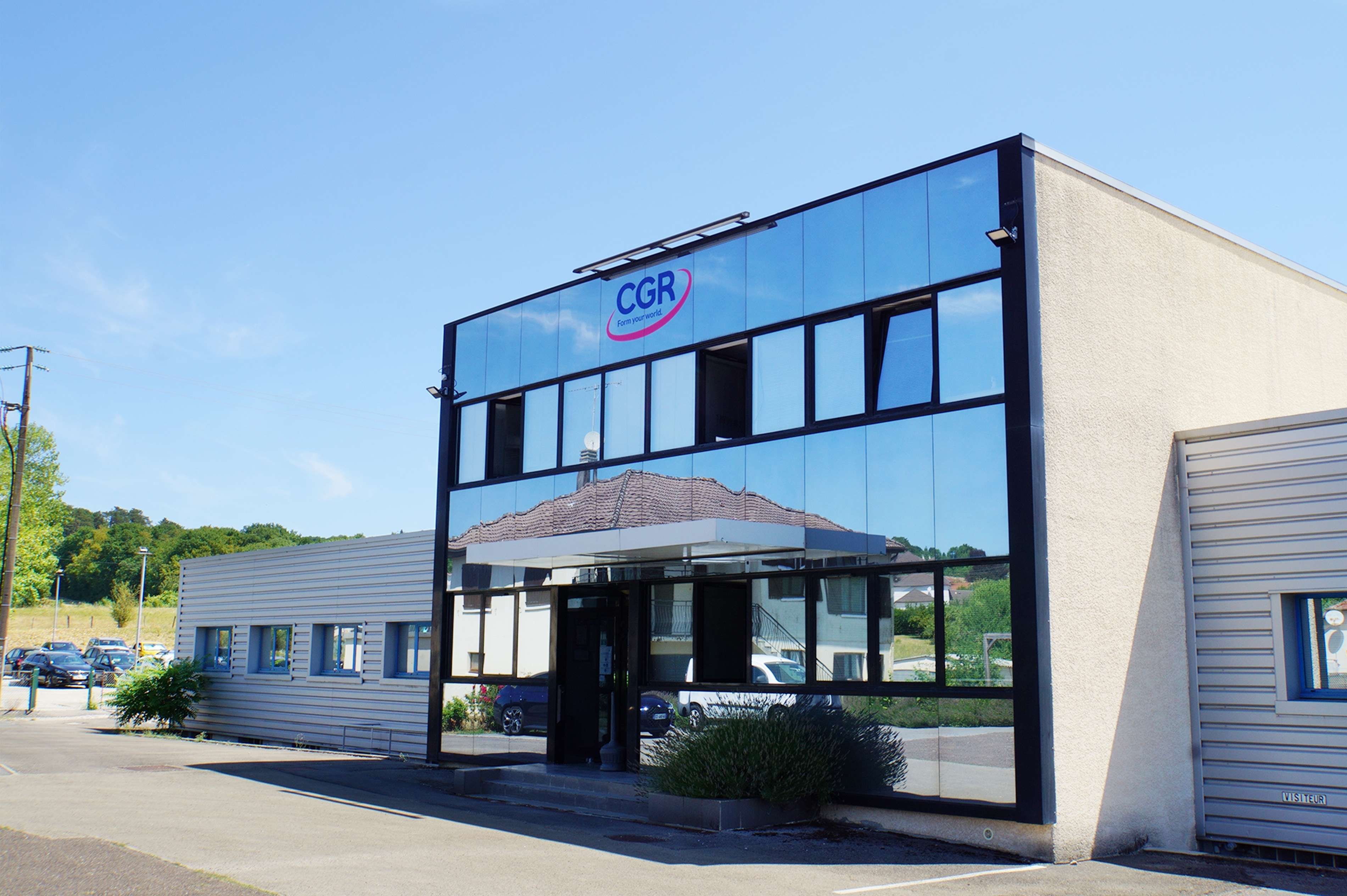
CGR PMPC, based in Boussières, France, manufactures mechatronic components, housings combining mechanics and electronics, with about 70% of its production destined for the automotive industry. The company designs and builds its own special production machines in-house, in which it has long integrated KEYENCE laser markers. When a new production line for an electrical distribution component required absolutely consistent marking quality, the team chose the KEYENCE MD-U Series UV laser marker. Nearly three years later, they report zero marking-related rejects.
Key points of this case study
- CGR PMPC (France) manufactures mechatronic parts, with about 70% of its production for the automotive sector, and builds its own automated production machines in-house.
- On a new line marking a polymer part for electrical distribution equipment, raw material batch-to-batch variations could lead to variation in marking quality with infrared laser markers.
- The company adopted the KEYENCE MD-U Series UV laser marker, because UV marking quality remains constant regardless of the material batch; feasibility tests were presented to the end customer, who supported the decision.
- In nearly three years of production, no marking-related rejects have been observed, and no code reading failures have been reported.
- Marking and DataMatrix verification are integrated into a single station thanks to the marker’s built-in camera: a major advantage for machine design, saving space and cycle time.
- The team also appreciates the software ergonomics and the support from KEYENCE’s technical and sales teams.
ChallengeWhy did variations between material batches threaten marking quality?
The CGR PMPC site manufactures mechatronic components: housings that accommodate printed circuit boards and combine mechanical and electronic functions, such as automatic door opening systems. The company was already operating KEYENCE infrared laser markers (MD-X Series) and CO2 laser markers, and had extensive experience in laser marking for traceability: marking dates, codes, and DataMatrix symbols on engineering plastics.
A new production line was launched for a polymer part used in electrical distribution equipment, marked with text for the end user, a 1D barcode, and a DataMatrix code so that installers can identify the correct connections. Since the part is intended to last 10 to 15 years in the field, the marking must remain legible over time. However, the team knew from experience that the plastic raw material could vary from batch to batch, thereby leading to variations in marking quality.
“Depending on the material batches, we can have variations in the engraving and therefore a lower quality level. When we buy material, it is always the same, but it has characteristics that can change, and these characteristics can influence the engraving quality.”
With infrared marking, these batch-to-batch variations sometimes produced low-contrast markings, generating rejects that the company could not afford on a part intended for long-life electrical equipment.
SelectionWhy choose the MD-U Series UV laser marker over infrared?
The initial project leaned toward an additional infrared marker, consistent with the installed base. After KEYENCE presented both technologies, the deciding factor in favor of the MD-U Series UV laser marker was its robustness against material variations: UV marking is a cold process based on photolysis, which directly creates contrast instead of heating the material, so the result depends much less on the photosensitivity of each batch.
“The key argument in this specific case was that, regardless of the raw material quality of our parts, we would always get the same engraving quality.”
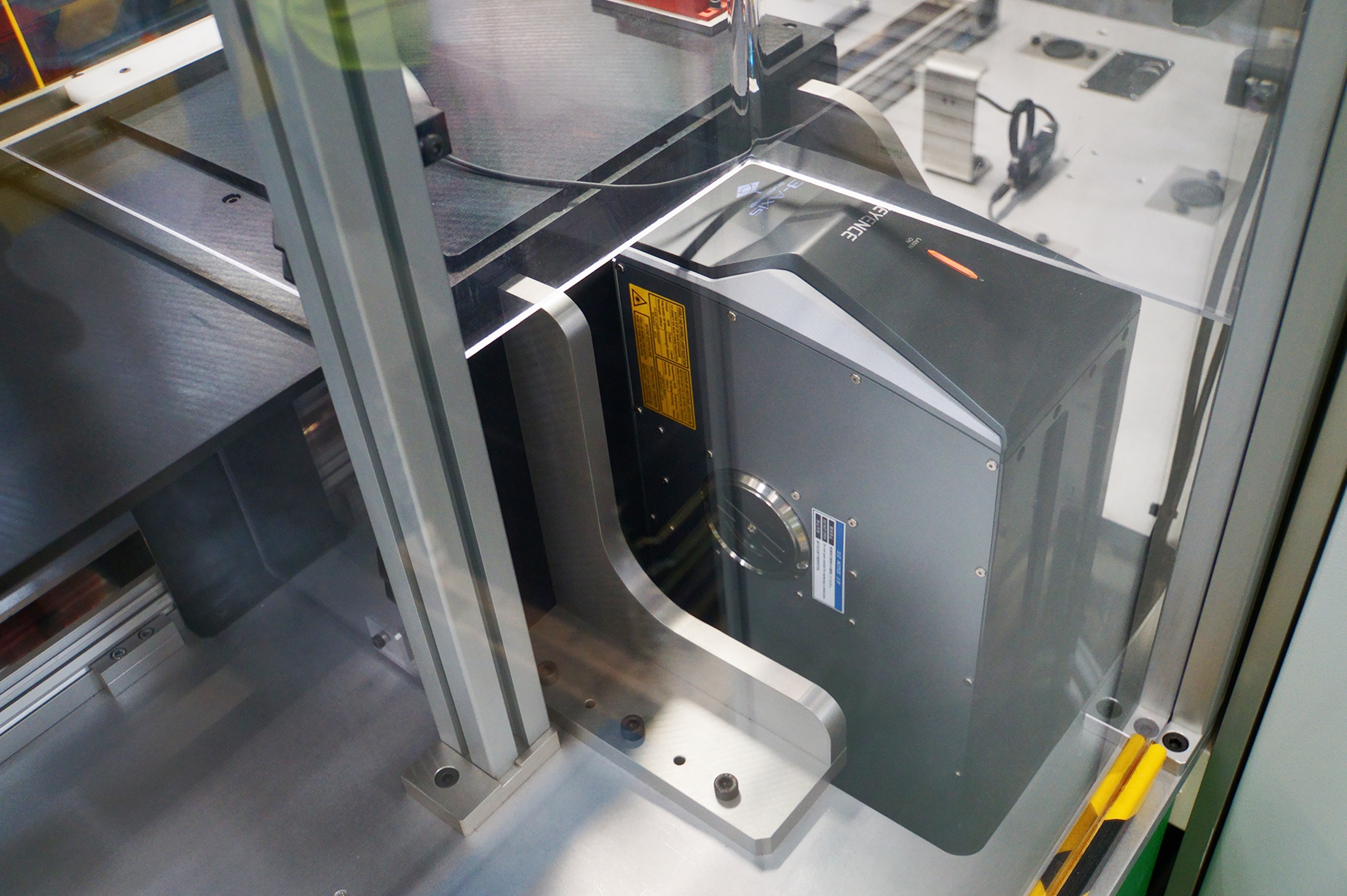
Feasibility tests were conducted and presented to the end customer, a major electrical equipment manufacturer, who supported the decision. The large marking field, available on both the MD-X and MD-U models, also played a role because without it, the parts would have had to be marked in two passes.
For CGR PMPC, this purchase was a production investment: the company finances the machine itself and amortizes its cost over the number of parts produced; therefore, the reliability of the marking directly protects the profitability of the project. As the team summarizes, the goal was to “put all the chances on our side to have zero complaints.”
ResultsWhat changes occurred after installing the MD-U Series?
The MD-U Series has been integrated for nearly three years in a dedicated automatic machine on the line. After each marking cycle, the code is read back for verification, and the results speak for themselves.
“Since we installed this machine, I have never seen any engraving-related rejects. We do an engraving and then we read back the code, and I personally have never seen a readback failure. This is the best proof that it works well.”
A distinctive advantage for a company that designs its own machines: the MD-U Series performs the code verification itself thanks to its built-in camera, allowing marking and inspection to be combined at a single station.
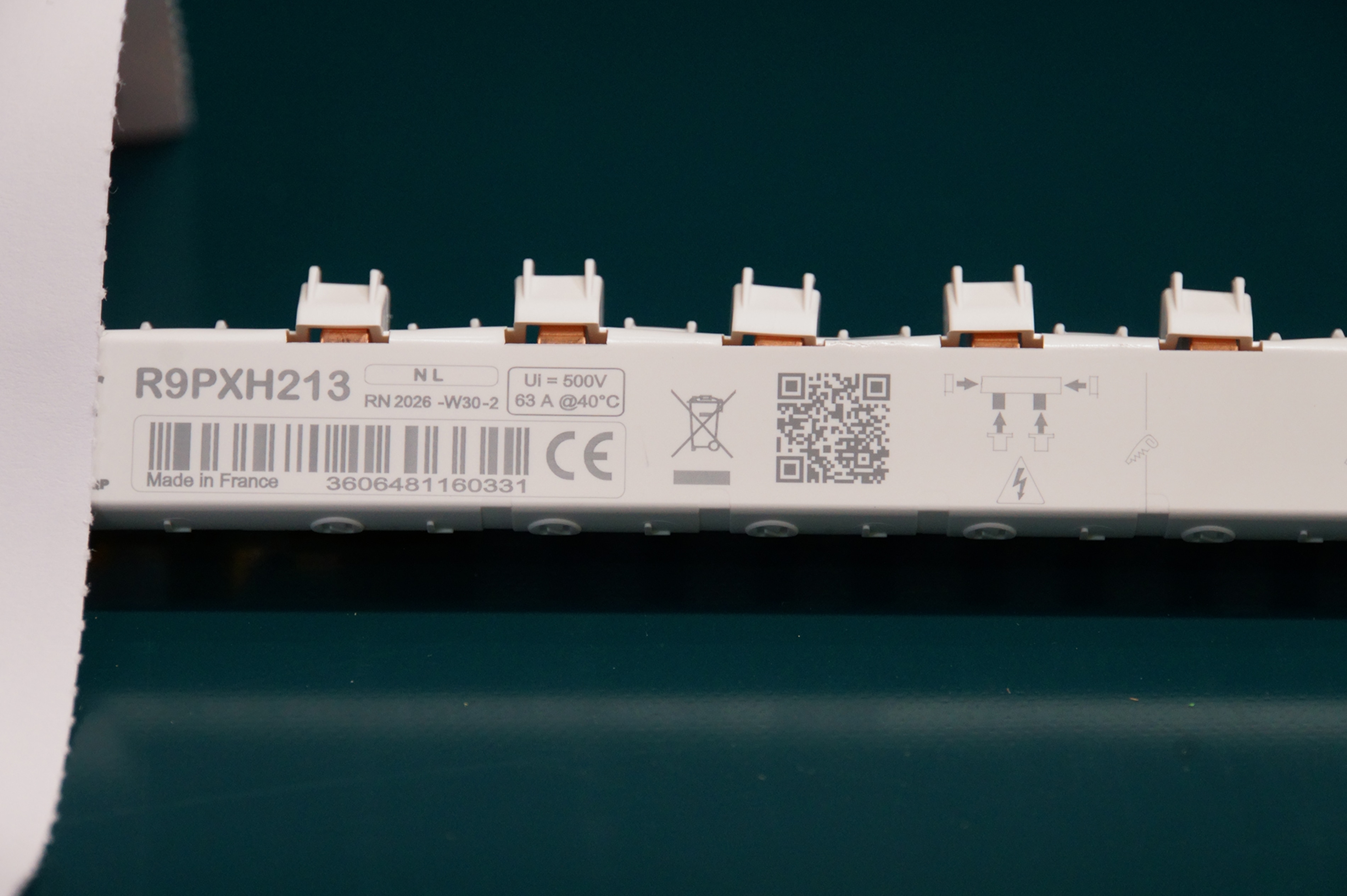
“You were able to integrate inspection with the laser, which means that for us, in terms of machine design, we can do engraving and reading at the same station. For simple checks, like DataMatrix readback, it is still relevant, we do everything at the same time. It is really a big plus of the product.”
Operation has also proven to be accessible. While optimizing laser parameters remains a matter for specialists, two or three employees can open a program and diagnose what is happening, helped by what the team describes as good software ergonomics. On the support side, the verdict is just as clear:
“If things were not going well, I would say so too. We are well supported.”
OutlookWhat is the next step for laser marking at CGR PMPC?
Traceability requirements in the automotive industry are constantly increasing: more and more parts manufactured by CGR PMPC must be marked and tracked. The team plans to continue selecting the right laser for each application: UV when material variation requires it, and other wavelengths when they are sufficient. For this project on plastic parts, they confirm they do not regret their choice of the MD-U Series.
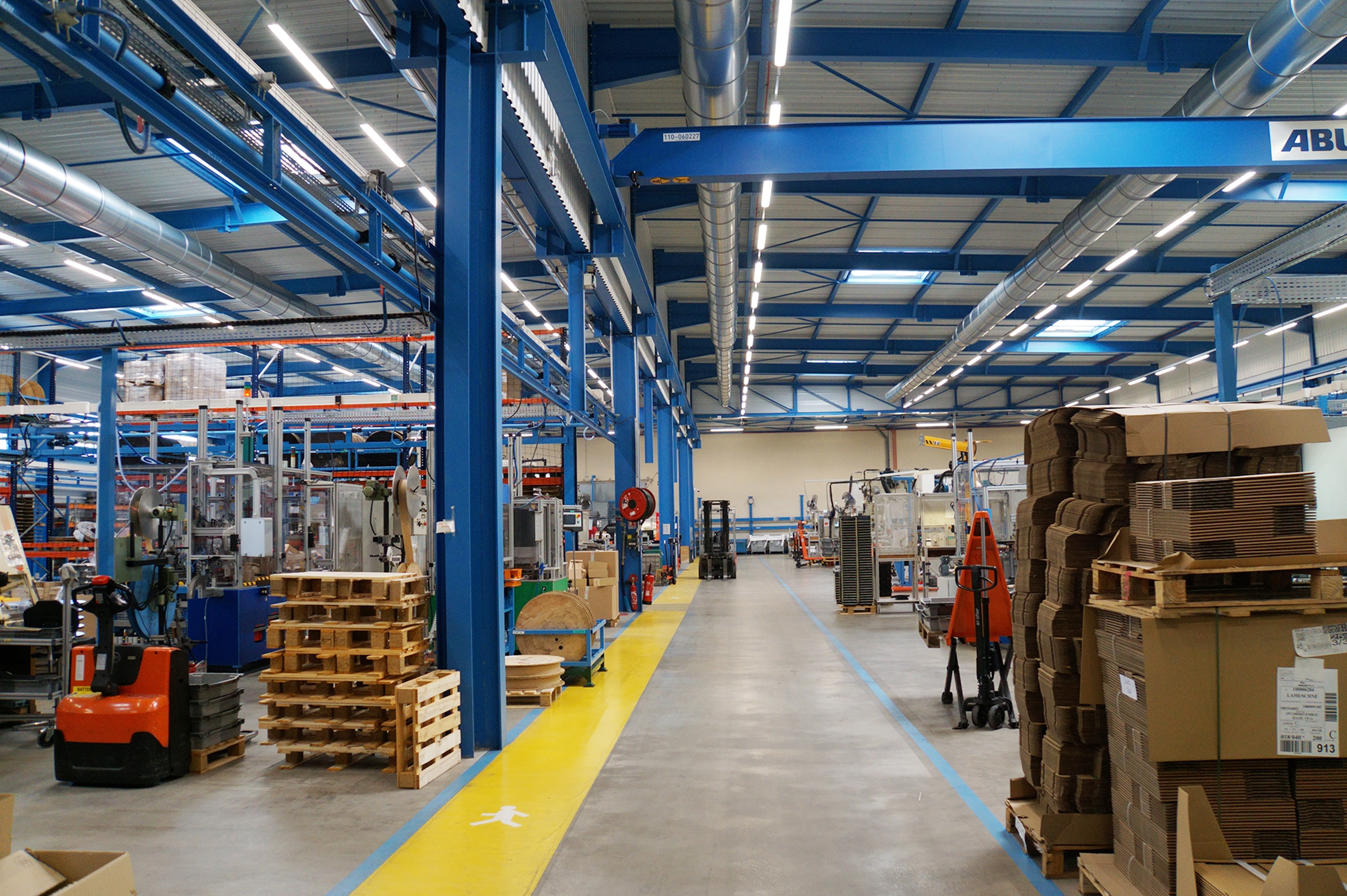
Beyond marking, CGR PMPC has extensively equipped its machines with KEYENCE technologies, including vision sensors, code readers, profilometers, and safety devices, and sees additional potential in the marker’s built-in camera. Their wish for future products: even more inspection capabilities at the marking station, such as presence/absence checks or appearance inspection of the part itself, in order to concentrate more quality control at a single station.
Frequently Asked Questions
QWhy did CGR PMPC choose KEYENCE’s MD-U Series UV laser marker over an infrared laser marker?
A
Because UV marking quality remains constant regardless of variations between raw material batches. With infrared markers, slight differences between plastic batches can lead to variation in marking quality, while the MD-U Series offers identical marking quality regardless of the raw material batch.
QWhat results did CGR PMPC achieve with the MD-U Series UV laser marker?
A
In nearly three years of production, CGR PMPC has never experienced any marking-related rejects, and no code reading failures have been reported on the line equipped with the MD-U Series.
QWhat does CGR PMPC mark on its parts with the MD-U Series?
A
Text intended for the end user, a 1D barcode, and a DataMatrix code are marked on a polymer part used in electrical distribution equipment, so that installers can identify the correct connections.
QHow is code verification handled after marking with the MD-U Series?
A
The MD-U Series laser marker reads the DataMatrix code itself after marking using its built-in camera. Marking and verification are performed at the same station, saving space and reducing cycle time in the machine design.
QIs KEYENCE’s MD-U Series difficult to use?
A
CGR PMPC reports that the software is user-friendly and that two or three of its employees are able to open a program and check its operation after initial assistance from KEYENCE’s technical and sales teams.
QWhy does KEYENCE’s UV laser marking work better than infrared on plastics with batch-to-batch variations?
A
UV lasers mark by photolysis: a cold marking process that directly creates contrast instead of heating the material. The result is much less dependent on the photosensitivity of each material batch, and this process also generates much less smoke than infrared or CO2 marking.