Industrial Laser Marking Systems / Laser Markers
Battery Thermal Management: How It Works
-
Tags:
- Battery , Laser Ablation , Electric Vehicle
Key Takeaways
- Maintain battery cells between 15°C–35°C to maximize lifespan, performance, and safety.
- Continuous sensors and a central controller enable rapid heating or cooling during charge/discharge.
- Liquid cooling offers superior heat transfer; air cooling is lighter but less effective under high load.
- Cell chemistry and geometry (cylindrical, pouch, prismatic) dictate thermal strategy and hotspot risks.
- Thermal interface materials (PCM, graphite, metal spreaders) and quality control reduce spikes and degradation.
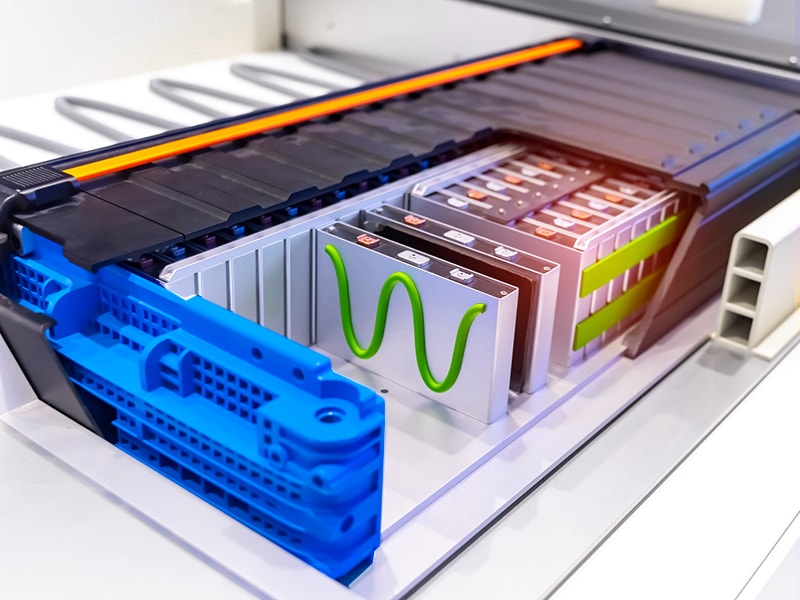
Accurate temperature management is essential for electric vehicles to run reliably. Batteries generate heat throughout cycles of charging and discharging, which must be effectively managed. Without proper temperature regulation, performance declines, range decreases, and safety hazards increase. Battery thermal management systems address these challenges by maintaining optimal operating temperatures regardless of external conditions or driving demands.
Understanding how these systems work helps explain why some electric vehicles perform better than others, particularly in extreme weather conditions.
What Is Battery Thermal Management?
Battery thermal management refers to the methods and technologies used to control the temperature of battery packs in electric vehicles. The goal is straightforward: keep cells between 15°C and 35°C (59°F to 95°F). This range supports optimal chemical reactions inside the cells while preventing degradation.
Heating and cooling are both part of temperature control. Battery efficiency and available power might be lowered by cold temperatures. Conversely, wear is accelerated, and thermal runaway is more likely in hot weather. Both extremes are managed by a well-designed battery thermal management system, which uses cooling mechanisms when temperatures rise too high and heating elements when they fall too low.
The system monitors temperatures continuously through sensors placed throughout the battery pack. In operation, these sensors feed data to a central controller that activates heating or cooling as needed. Response times matter because temperature changes can happen quickly during fast charging or aggressive acceleration.
The heat sensitivity of various battery chemistries varies. Cooling systems for lithium-ion batteries must take into consideration the unique properties of the cells being employed. For example, prismatic, pouch, and cylindrical cells each present a different set of thermal management issues.
Cell geometry affects heat generation patterns and influences cooling system design. The physical shape of each cell type specifically determines how heat builds up during operation and how effectively cooling systems can remove it. Cylindrical cells distribute heat differently from flat pouch cells, requiring manufacturers to adapt their thermal strategies accordingly.
Why Temperature Control Is Critical for EV Batteries
Heat speeds up wear inside battery cells. High temperatures damage the parts that separate electrodes and break down the electrolyte. This damage is permanent and builds up over time. Each time a battery runs too hot or too cold, it loses a bit of capacity. These small losses add up over months and years, eventually cutting into driving range.
Another critical aspect is safety. The unreasonably high interior temperature of a cell is known as thermal runaway. A hazardous feedback loop is created when the heat starts more chemical processes that produce more heat. By dissipating heat before it reaches hazardous levels, proper electric vehicle battery temperature control avoids this situation.
Meanwhile, issues arise in cold weather. The battery's capacity to accept or distribute charge is diminished as chemical reactions slow down. Drivers see this as slow acceleration and reduced range. Regenerative braking loses effectiveness, and more energy is needed to start a cold car. Although it helps, warming the battery before usage uses energy that could be used for driving.
Furthermore, charging speed also depends on temperature. Quality control during manufacturing helps identify cells with thermal inconsistencies before assembly by tracking each cell's performance using permanent identification marks that link temperature test data to specific components.
Impact on Performance and Driving Range
The amount of energy that a battery can provide is directly impacted by temperature. A battery reaches its maximum rated capacity while it is running at 25°C (77°F). At 0°C (32°F), that same battery may only provide 70% of its full capacity. The chemical reactions are unable to release the energy, yet it is still present.
Likewise, similar restrictions apply to hot batteries. Internal resistance rises with high temperatures, making it more difficult for the battery to provide the same amount of power. The issue is made worse by the additional heat produced by this extra work. Because more energy is lost as heat rather than propelling the car forward, the range decreases.
Therefore, EV battery cooling systems maintain performance consistency across temperature ranges. A vehicle with effective thermal management delivers similar range whether driving through Arizona summer heat or Minnesota winter cold. Drivers don't need to adjust their expectations based on weather conditions.
Beyond range, temperature regulation also affects top speed and acceleration. Cells must discharge quickly to get peak power production, which produces a lot of heat. Strong cooling systems that avoid power decrease during intense driving are especially valued by racing drivers and performance enthusiasts.
Laser marking and cleaning processes used during battery assembly must account for thermal expansion and material compatibility. The marks applied to battery housings and cell surfaces need to withstand the temperature cycles these components experience, from manufacturing through years of operation.
Types of EV Battery Cooling Systems
Air cooling is the simplest approach. Fans circulate air through battery pack channels, carrying away heat. Smaller batteries with low power requirements benefit greatly from this. Lower costs and simpler maintenance are associated with fewer components.
Nevertheless, liquids absorb heat more efficiently than air. Certain cells may run hotter than others due to an uneven temperature distribution. These hotspots shorten pack lifespans and hasten deterioration.
To solve this problem, coolant is circulated through tubes next to battery cells in liquid cooling systems. Heat is absorbed by the liquid and transported to a radiator. This results in improved heat removal and more accurate temperature management. For these reasons, liquid cooling is used in the majority of high-performance electric vehicles.
Some designs combine both methods. Air cooling handles normal driving, while liquid cooling activates during fast charging or high-power demands.
Finally, refrigerant-based systems take lithium-ion battery cooling further, using vapor compression cooling similar to air conditioning. They can cool batteries below ambient temperature during extreme conditions. The added complexity increases cost and weight, but performance benefits justify these tradeoffs for premium vehicles.
How Liquid and Air Cooling Technologies Compare
Heat transport is a strong suit for liquid systems. Compared to air, mixes of water and glycol absorb significantly more heat per unit volume. More uniform temperature distribution and smaller cooling systems are made possible by this efficiency. Coolant is constantly circulated by pumps, which keep temperatures constant even when power demands change.
However, leak prevention techniques and careful coolant line routing are necessary during installation. Periodic coolant replacement and leak inspection are part of maintenance. The majority of automakers still favor liquid cooling for mid-size and larger battery packs in spite of these specifications.
In contrast, air systems are lighter and easier to use. There are fewer parts that need to be maintained when there are no pumps, radiators, or coolant. Generally speaking, fans use less electricity than liquid system pumps. For smaller cars with limited weight and space, the packing benefits are important.
The trade-off is in cooling capacity. Air systems struggle with continuous high-power operation. Highway travel in hot weather, repetitive quick charging, or track use can all cause air-cooled batteries to exceed their ideal operating temperatures. Battery manufacturing and marking equipment must accommodate both cooling methods during assembly since production involves tracking components via thermal testing and quality verification, regardless of cooling method.
Advanced Thermal Interface Materials and Heat Dissipation
Specialized materials are used in battery systems to fill in small spaces between cells and cooling components that would otherwise prevent heat transfer. These materials maintain contact during cycles of heating and cooling because they remain flexible in response to temperature changes.
For example, phase-change materials release heat by solidifying after melting to absorb it. They lessen temperature spikes brought on by either acceleration or charging. Graphite sheets or thin metal plates are examples of heat spreaders that move thermal energy from heated spots to cooler areas.
Overall, temperature control extends beyond the cells themselves. Housing, insulation, and mounting hardware all influence how heat moves through the system. Engineers consider the complete thermal path from cell to outside air when designing effective battery thermal management solutions.
The Future of Battery Thermal Management
Looking to optimize your organization’s battery safety and performance with advanced thermal management solutions? Contact KEYENCE to learn more about how precise temperature control extends battery life and maintains consistent vehicle performance across all operating conditions.

![Laser Marker Electric Vehicle Applications [Battery, ECU, converter and inverter edition]](/img/asset/AS_106938_L.jpg)