Industrial Laser Marking Systems / Laser Markers
What Is Adhesive Bonding and How Does It Work?
-
Tags:
- Laser Cleaning , Laser Ablation
Key Takeaways
- Adhesive bonding creates lighter designs by distributing stress and joining dissimilar materials without corrosion.
- Successful bonding depends on thorough surface preparation, like cleaning or laser treatment, to remove contaminants.
- Choose the right adhesive (e.g., structural, hot melt) based on load, substrate materials, and production needs.
- Be aware of limitations: long cure times, difficult disassembly, and sensitivity to temperature, chemicals, or UV.
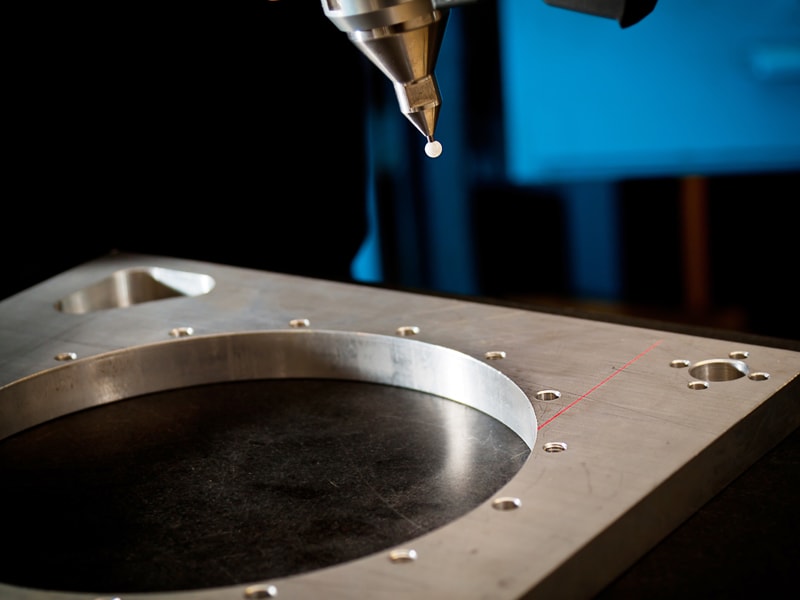
Thousands of cars can be recalled or an airplane grounded by a single broken link. However, producers are always faced with the problem of how to minimize weight, retain strength, and unite disparate materials without the need for costly welding or large fasteners.
The solution to this critical problem is adhesive bonding. Over time, this technique has advanced beyond simple glues to create complex materials. By understanding how modern adhesives function, which types are best for particular applications, and when they outperform traditional alternatives, organizations can make more informed manufacturing decisions.
Whether your goal is to build lighter products, combine incompatible materials, or optimize production processes, adhesive bonding offers advanced features worth investigating.
Definition of Adhesive Bonding
In the context of production, what is adhesive bonding? In order to prevent separation under operating stresses, a material that generates molecular attraction forces between two surfaces is applied. Depending on the substrate materials and adhesive formulation, these forces may be chemical, mechanical, or a combination of both.
When liquid adhesives enter microscopic surface imperfections and solidify, mechanical adhesion takes place. The interlocking structure resists pulling and sliding forces. Surface preparation matters because rougher textures create more contact points and allow deeper adhesive penetration.
Chemical bonding creates molecular connections between the adhesive and the surface. Atomic-level attractions form links that can actually be stronger than the materials being joined.
What is bonding adhesive made of? Depending on the needs of the application, formulations differ greatly. The main families of adhesives are epoxies, acrylics, polyurethanes, and cyanoacrylates. Each has different processing needs, performance traits, and cure methods.
How the Adhesive Bonding Process Works
The ultimate junction quality is determined by certain steps in the adhesive bonding process. The first step is surface preparation, which has a big impact on binding strength. Oils, dust, and oxidation layers are examples of contaminants that obstruct appropriate adhesive contact with substrate surfaces.
Cleaning techniques include chemical etching, mechanical abrasion, and basic solvent wiping. The decision is based on the types of contaminants and substrate materials. Aluminum components are coated with chromate conversion, while polymers undergo plasma treatment for increased surface energy.
Following surface preparation, adhesive application techniques depend on joint shape and production volume. Automated nozzles ensure precise gluing, and roll coating is suitable for large surfaces. Spray treatments effectively cover complex shapes but need careful overspray management. Proper assembly during open time and curing methods dictate final bond quality and processing efficiency.
Additionally, precise measuring during the adhesive application stage is advantageous for sealing and bonding applications. Joint performance is directly impacted by bead position, height, and width. Before pieces are sent to curing stations, vision systems check that the glue is applied correctly.
Finally, after curing, both destructive and non-destructive testing techniques are used to verify quality. Destructive tests rip joints apart under controlled conditions to determine the true bond strength. In order to find voids, delamination, or incomplete curing without causing damage to assemblies, non-destructive inspection employs ultrasonic, thermography, or optical techniques.
Surface Preparation Methods for Stronger Bonds
While traditional cleaning and preparation methods can be helpful, manufacturers can now use newer techniques to achieve favorable results. Each approach has its advantages based on the materials being used and overall production needs.
Mechanical abrasion, such as sandblasting and grinding, eliminates surface impurities while creating texture that promotes interlocking. Although this works well with many substrates, it can damage sensitive materials and produce variations in surface roughness. Chemical treatments like acid etching are also common but require the handling of hazardous materials.
Laser surface preparation has emerged as a popular choice for precise bonding applications. Laser systems use controlled energy to remove contaminants, oxides, and coatings without physical contact or chemical residue. As a result, it can be controlled to produce desired surface properties across components without consumables.
Types of Adhesive Bonding Techniques
Different types of adhesive bonding are appropriate for particular material combinations and manufacturing needs. In place of or in addition to mechanical fasteners, structural bonding produces load-bearing joints. High-strength epoxies that cure at high temperatures are used by aerospace makers to attach aluminum fuselage skins to interior frames. Let’s discuss the basic types:
- Semi-Structural Bonding: This supports moderate loads, which also offers other advantages like environmental sealing or vibration damping. Structural adhesives are used to join automobile body panels to frames, increasing overall vehicle stiffness while lowering the need for spot welds.
- Non-Structural Bonding: This serves purposes other than load transfer. Trim pieces, emblems, and decorative items are attached to basic structures using adhesives selected for their aesthetic appeal and environmental durability rather than their strength. In these applications, compatibility with various surface treatments, rapid cure times, and gap filling are of utmost importance.
- Pressure-Sensitive Adhesives: This type bonds immediately upon application without curing, commonly used in tapes, labels, and gaskets that require removability or repositioning. Over time, the adhesive penetrates surface imperfections, enhancing the strength of the connections.
- Hot Melt Adhesives: These are solid materials that melt at high temperatures and solidify when cooled. These fast-setting materials are used for high-speed manufacturing in bookbinding, packaging, and product assembly procedures. Short cycle periods are made possible by the quick change from liquid to solid.
Advantages and Limitations of Adhesive Bonding
The advantages of adhesive bonding extend across multiple performance and manufacturing dimensions. Adhesives play a vital role in distributing stresses across joint surfaces. By doing so, it enables the design of thinner and lighter components without sacrificing strength. This is in contrast to traditional fasteners, which concentrate stress at specific points like holes, and welding, which can lead to heat-affected zones.
Adhesives solve problems like galvanic corrosion and changes in thermal expansion while facilitating the connecting of a variety of materials, including metals, polymers, and ceramics. By removing fasteners and reducing material thickness, this compatibility enables aircraft makers to drastically reduce airframe weight while maintaining performance.
Simplified assembly increases manufacturing efficiency. Bonded joints simplify complicated assemblies and make automation simpler by removing the need for drilling, tapping, and tool access. Without the need for extra gaskets, the adhesive layer naturally seals against moisture, gas, and dust.
Key advantages of the adhesive bonding process:
- Provides inherent sealing without additional gaskets.
- Distributes stress uniformly across joints instead of concentrating at fastener points.
- Joins dissimilar materials without corrosion or thermal expansion issues.
- Reduces weight by eliminating fasteners and enabling thinner designs.
- Simplifies assembly and improves automation potential.
Throughout planning and development, limitations should be taken into consideration. Cure times extend production cycles, unlike mechanical fastening. Higher temperatures are needed for some adhesives to cure, which increases the cost of energy and equipment. Careful service planning is required since persistent bonding makes disassembly more challenging for recycling or repair.
The technique becomes more complicated with surface preparation. Bond issues that don't show up until after delivery can be caused by inadequate cleaning. Because many formulations deteriorate over time owing to extreme temperatures, chemicals, or UV radiation, environmental sensitivity is especially crucial. As a result, selecting the appropriate materials is crucial for the workplace.
Key limitations of the adhesive bonding process:
- Permanent bonds complicate disassembly for maintenance or recycling.
- Cure times extend manufacturing cycles compared to mechanical fastening.
- Some formulations require elevated temperature curing, increasing costs.
- Surface preparation adds process complexity and quality control requirements.
- Environmental sensitivity to temperature, chemicals, or UV can degrade performance.
Choosing the Right Adhesive for Your Process
Joint design and substrate compatibility are the first steps in choosing an adhesive, which calls for suitable surface treatments for metals and suitable formulations for plastics. Although flexible polymers are essential for managing peel and cleavage loads, adhesives must withstand shear forces.
Manufacturing limitations and environmental factors like operating temperatures and chemical exposure further influence adhesive selection. The choice of formulation can also be tricky, as equipment capabilities and safety regulations come into play. Prior to manufacturing, sample joints undergo performance testing to evaluate environmental aging and mechanical strain. By making assembly easier and increasing overall efficiency beyond material costs, premium adhesives can save overall expenses.
Ready to learn more? Optimize your adhesive bonding operations with advanced surface preparation with laser, inspection equipment, and measurement tools. Contact KEYENCE today to improve quality, accuracy, and production efficiency.

Related Products
Related Downloads
-
Laser Processing Application Guide
This booklet covers a wide range of laser processing techniques - such as cutting, drilling, and deep engraving - as well as welding and soldering that are unique to lasers.