RPA (Robotic Process Automation)
Production Saw & Machine
“Simple is Sustainable”: Cultivating ROI with Production Saw & Machine
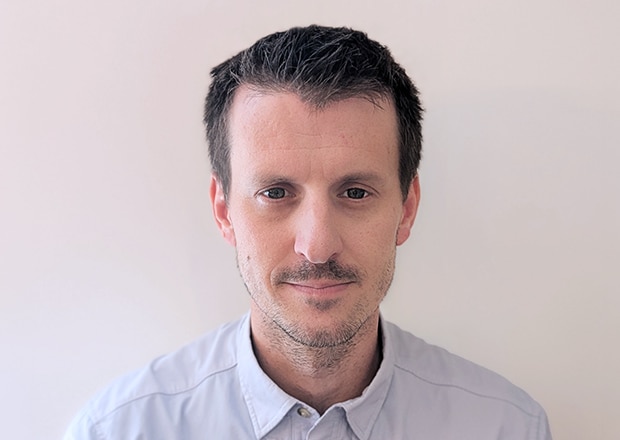
When Production Saw & Machine (PSM) was first introduced to Keyence RK, the conversation started with a very familiar problem: too much manual work, too many one-off exceptions, and the constant churn of hiring and training for low-value, repetitive tasks. What followed was not a trial-and-error experiment but rather a pragmatic transformation that delivered measurable, recurring return on investment in weeks, not months.
A Reluctant Search for Automation
Tom Jurasek, CFO at PSM, had been surveying the market for a workable RPA solution for some time. His sticking point early on was optical character recognition (OCR). This is a feature to extract text, needed to reliably process a steady stream of documents of varying formats. RK’s integration capabilities with modern AI-based tools removed that final barrier.
“The holdup at the time was that there no good option from an OCR standpoint, now that we have AI, it helps substantially with what we need.”
The introduction during a routine Keyence engagement for a different product line ultimately led to having a deeper look, and Tom liked what he saw. The tool was simple and sustainable, two of the firm’s foundational principles.
“I just really didn't want to make it complicated. I wanted to make everything simple and sustainable. That’s a big thing for us.”

Removing the Workload
PSM’s most immediate and striking ROI came in Accounts Payable. Prior to RK, PSM ran a labor-intensive AP process that consumed a substantial portion of clerical time. Tom recounted that a single person would spend roughly 30 hours a week on data entry and associated tasks. The role came with high turnover which when automated, not only removed a recurring labor line, but eliminated the inefficiency of the task manually.
Their applications grew and the tool quickly proved its value. A large vendor’s weekly invoice and pack list reconciliation had previously been a two-or three-hour task.
“Entering that took 30 minutes a week. Doing all the pack list check took another couple hours, so we saved about 2 1/2 hours a week there.”
Other applications included, remittance processing, and scanning and indexing pack slips and shipping documents. “Scanning those took a person a couple hours a week… now Keyence sends it to Gemini and, you know, kind of organizes it and then files it for us.” While he didn’t specify an exact timely return for each process, he shared that, PSM had “about 12 recurring processes or scenarios that go anywhere from one to six times a day.”
With roughly a dozen recurring processes offloading a significant portion of the clerical work, the ROI was quickly realized and PSM has been able to increase the volume of their output.
Faster Insight, Better Control, and Downstream Value
RK has accelerated critical business rhythm and improved traceability. Tom noted that invoicing now happens at 5 p.m. each day, giving leadership same-day visibility into sales and trends.
“Automated dashboards are captured and pushed to [Microsoft] Teams so stakeholders can see live trends without waiting for manual upload.” That speed leads to faster decisions, earlier collections, and fewer payment disputes because, in Tom’s words, “pack slips are our like Bible. If we don't have them, we may not get paid for work we actually did.”
Tom was candid about the implementation curve. Automation is not ‘set it and forget it’ from day one; it requires tuning, monitoring and an acceptance of iteration. But he also stressed that the iterative phase is expected and worth planning for.
“…there's got to be expected failure because of the automation curve, but what you get out of it, I mean, it's just huge.”
Support and Design
What stands out in Tom’s account is the transition from a skeptical buyer to a confident user who relies on RK daily. He attributed his success with the tool first to the hands-on customer support, and secondly, a practical design that keeps people involved if they want to be. Regarding the support, he emphasized the Keyence’s team’s ability to run solution focused working sessions and the tool’s ability to preserve human approval steps to help retain any desired oversight. He keeps the automation running on a separate machine so it can be observed without interrupting his primary work.
A Practical Endorsement
PSM’s experience is a practical, numbers first endorsement of what thoughtful RPA deployment can deliver. Tom’s summary brings the point home: replacing a recurring clerical line, removing several weekly manual tasks, speeding invoicing and reporting, and creating searchable digital records, these are tangible returns that pay back quickly.
While it may take time, the return is huge. PSM’s story is a clear case study of turning chronic manual processes into routine automation, helping deliver an immediate financial impact and freeing employees to focus on higher-value work.