CMM (Coordinate Measuring Machine)
Overcoming CMM Bottlenecks
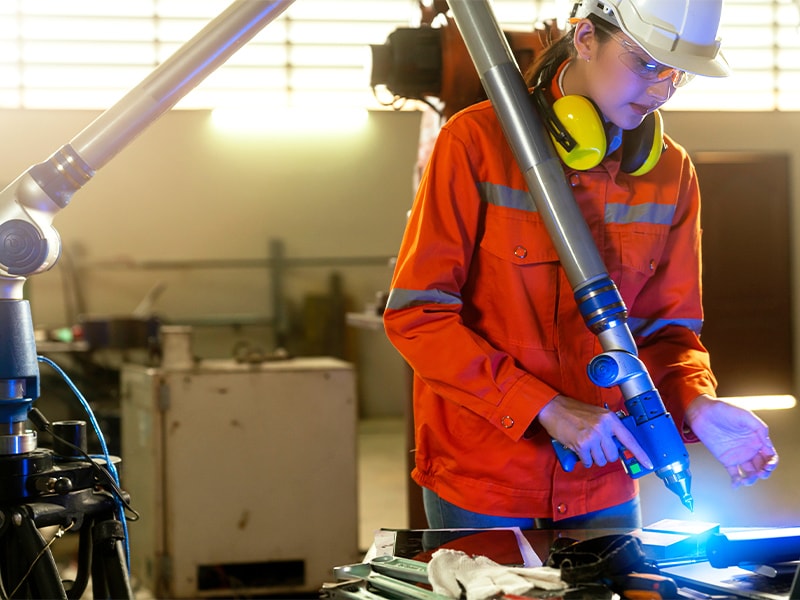
Manufacturing companies today face inspection processes that can slow production and cause unexpected delays. For businesses aiming to stay competitive while meeting strict quality standards, eliminating CMM bottlenecks has become a top priority. While coordinate measuring machines are essential for precision manufacturing, they can sometimes become roadblocks that disrupt entire production schedules.
Many facilities face inspection delays that impact everything from delivery times to customer satisfaction. These issues often stem from long setup times, complex programming requirements, and a shortage of trained operators. When inspection becomes the bottleneck, it slows down the entire manufacturing process.
Fixing these issues starts with understanding what causes them and then putting targeted solutions in place. Companies that take a systematic approach to solving bottleneck problems can see major improvements in how fast they get work done while still maintaining the high accuracy needed for quality manufacturing.
Common CMM Bottlenecks and How to Overcome Them
Traditional coordinate measuring operations face recurring issues that slow down the process. Setup can take hours, as technicians must configure equipment for each new part type. This includes preparing fixtures, selecting probes, adjusting programs, and verifying calibration before measuring begins.
Operating CMM machines requires specialized knowledge that many workers lack. These systems demand extensive training and experience to run efficiently, leaving only a few operators in most facilities who can use them effectively. This creates a dependency issue, causing production delays when the right person isn’t available.
Space requirements add another challenge since large coordinate measuring machines need dedicated rooms with climate control. Installing these machines can be disruptive and expensive, sometimes requiring companies to modify their buildings or even remove walls to fit the equipment inside.
Environmental factors also complicate things because temperature changes, vibrations, and humidity can affect measurement accuracy. This means facilities need controlled environments, which increases operating costs and limits where the equipment can be placed.
Regular maintenance creates additional downtime that has to be scheduled carefully around production needs. Since these are specialized machines, they often require vendor support for repairs, which can extend downtime and increase costs even more.
Strategies to Reduce CMM Bottlenecks
Smart strategies can dramatically reduce CMM inspection time and throughput by addressing the main problems that create bottlenecks. CMM technology solutions combine new technology with better operational practices to make measurement processes run more smoothly.
Automatic programming represents one of the biggest breakthroughs in reducing setup time. Advanced software can create measurement programs directly from CAD models, eliminating the manual programming that used to require hours of work from skilled technicians, allowing less experienced operators to handle complex measurements while cutting setup time significantly.
Quick-change fixture systems make it possible to switch between different parts much faster. Instead of spending hours reconfiguring setups, operators can change fixtures in minutes while improving accuracy and consistency. These systems also make it easier for different operators to get repeatable results.
Training more operators helps reduce the dependency on specialists. When more people know how to run the equipment, facilities have better flexibility and don't get stuck waiting for one particular person to be available. User-friendly interfaces make it easier for operators to learn and feel confident using the equipment.
Planned maintenance schedules help keep equipment running when it's needed most. Predictive maintenance technology can spot potential problems before they cause breakdowns, allowing repairs to happen during scheduled downtime instead of emergencies that disrupt production.
Time & Cost Savings
Eliminating CMM bottlenecks delivers real financial benefits in several different ways. Reduced CMM inspection time efforts typically cut measurement cycles by 50-70%, which directly translates to being able to handle more work without buying additional equipment.
Labor costs go down when operations become simpler and require less specialized training. Facilities can use their existing workers more effectively instead of hiring expensive specialists. This creates better operational flexibility and reduces staffing expenses.
Better equipment utilization maximizes the return on investment from existing coordinate measuring machines. When idle time decreases and efficiency improves, companies can postpone new equipment purchases while still meeting growing measurement demands.
Faster feedback reduces quality expenses by identifying issues early in production and enabling real-time modifications that stop defective items from progressing through the manufacturing process. Field failures, scrap, and rework are decreased by this early diagnosis.
Maximizing CMM Performance with Advanced Solutions
Innovative measurement techniques present strong substitutes for conventional coordinate measuring methods. In addition to offering considerable operational benefits, portable measurement systems provide a unique advantage by bringing inspection to the shop floor, allowing for in-process checks which offload measurements that would have required longer on a CMM.
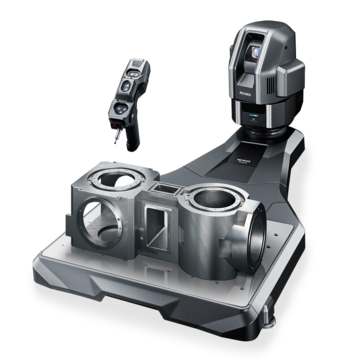
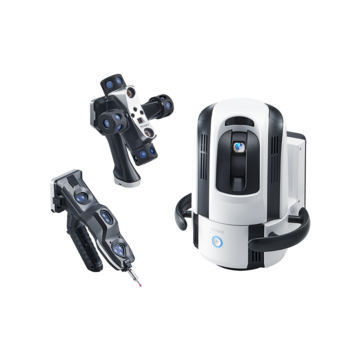
These developments are demonstrated by the XM Series modular design and easy-to-use software. The system is portable, so you can put it wherever you need, whether it be on the shop floor for in-process checks, or in a quality lab to offload measurements with looser tolerances from the CMM. The XM's intuitive software is easy for anyone to use without formal CMM training, so there's no need for a dedicated operator. The system lets customers choose camera heads for particular needs and stage sizes. Integrated accessories like probe, laser, and rotary options provide multiple measurement methods within a single platform.
Once a measurement program is created, an operator only has to "follow the dots" on the screen. By taking these points in order, the software is able to generate an automated inspection report, and your part will be fully inspected in just a few minutes.
Solving the Complexity of CMM Machines
The inherent complexity of traditional coordinate measuring devices causes operational obstacles. Mechanical positioning, probe systems, software interfaces, and environmental controls are only a few of the subsystems that need to cooperate. To function well, this complexity necessitates a great deal of training and expertise.
By providing measuring capabilities through guided workflows that lead operators through necessary processes, simplified user interfaces address these issues. At the same time, avoiding typical mistakes that could compromise measurement accuracy or harm equipment, help systems offer real-time support.
Automated calibration increases consistency while doing away with laborious manual processes. Self-calibrating systems increase equipment availability and minimize the specialized expertise required for routine maintenance operations.
Benefits of Optimized CMM Operations
Successful bottleneck removal results in extensive operational gains for businesses that go beyond time savings. Production scheduling becomes more predictable when measurement processes deliver consistent cycle times without unexpected delays, enabling better resource planning and improved customer delivery performance.
Quality assurance improves when measurement capacity matches production requirements. Adequate inspection capacity allows for thorough quality verification without sampling limitations that might let defective parts escape detection. This thoroughness reduces field failure risks while improving customer satisfaction.
Worker satisfaction increases when measurement tasks become less stressful and more manageable. Simplified processes reduce frustration while providing operators with tools that help them succeed, which can reduce turnover and attract qualified personnel.
Competitive advantages emerge from the ability to respond quickly to customer requirements and market changes. Flexible measurement capabilities enable rapid product introductions and design modifications without lengthy validation delays, providing market advantages that translate to business growth.
Investment returns improve when measurement equipment delivers maximum value through high utilization rates and operational efficiency. Optimized systems require a lower total cost of ownership while providing superior performance compared to traditional approaches.
Discover how to enhance your CMM systems today by exploring advanced CMM solutions like the XM Series that eliminate bottlenecks while maintaining the accuracy your applications demand.
Related Products
Related Downloads
-
XM Series Handheld Probe Coordinate Measuring Machine Catalog
Brochure for the XM-5000 Series Handheld CMM. Portable CMM to easily and accurately measure 3D and GD&T features anywhere including the shop floor and in the machine tool.
-
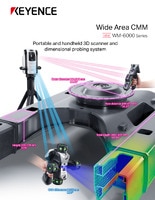
WM-6000 series Wide Area CMM Catalog
Brochure for the WM-6000 series Wide-Area CMM. A portable setup with a wireless handheld probe that enables users measure large parts and equipment.