Industrial Laser Marking Systems / Laser Markers
What Is Grit Blasting and Is It the Best Solution?
-
Tags:
- Laser Paint Removal , Laser Rust Removal , Metal
Key Takeaways
- Grit blasting propels abrasives to remove rust, paint and contaminants for surface preparation.
- Equipment accelerates abrasives to create profiles for coating adhesion.
- Safety requires PPE, ventilation, containment, and proper disposal to control dust and environmental impact.
- Best for heavy rust and large areas; alternatives suit delicate or small-scale needs.
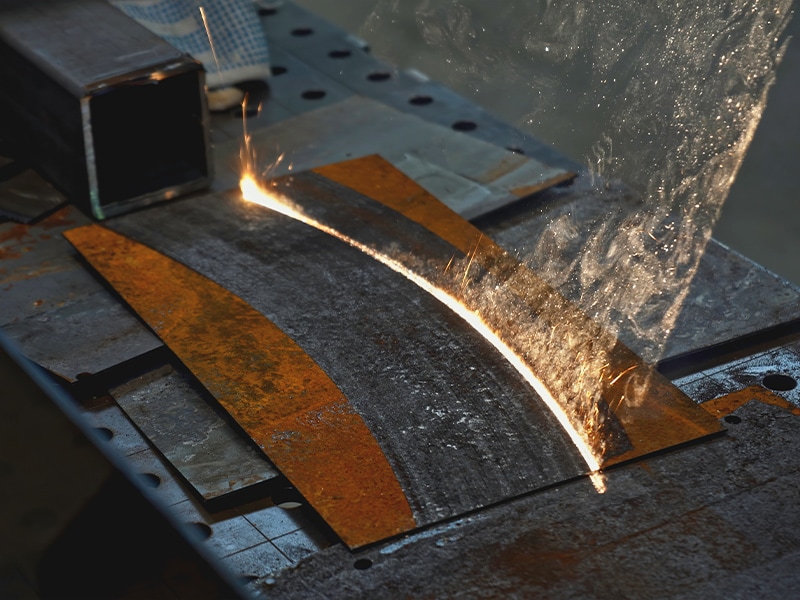
Surface preparation can make or break your manufacturing or restoration project. Understanding your options helps you choose the most effective method for your specific needs.
What Is Grit Blasting?
Grit blasting is a powerful method for cleaning and preparing surfaces by propelling abrasive materials at high velocity. This process removes rust, old paint, contaminants, and other unwanted materials from metal, concrete, and various substrates. Industries ranging from automotive manufacturing to shipbuilding rely on this technique to achieve clean, textured surfaces ready for coating or further processing.
The term "grit" refers to the abrasive particles used in the process. These can include steel shot, aluminum oxide, glass beads, or other materials, depending on the application requirements. Each type of abrasive material produces different surface profiles and finishes, making grit blasting adaptable to numerous situations.

How Does Grit Blasting Work?
The process begins with specialized equipment that accelerates abrasive particles through compressed air or mechanical wheels. These particles strike the target surface at speeds that can exceed 200 miles per hour, creating an impact that removes unwanted material.
Abrasive blasting systems typically include a blast cabinet or room, an air compressor, a blast pot, and a recovery system. Some setups recycle abrasive materials, reducing waste and operating costs. The operator directs a handheld nozzle or automated equipment across the surface in overlapping passes, removing coatings and contaminants while creating a textured profile that improves coating adhesion.
Grit Blasting vs. Sandblasting
Although many individuals use these terms interchangeably, there is a significant difference between sandblasting vs grit blasting. The abrasive substance used in traditional sandblasting is silica sand. However, breathing in silica dust can cause silicosis and other respiratory issues.
The industry shifted to different abrasive materials as a result of this health hazard. Aluminum oxide, steel grit, and other solutions offer efficient cleaning without posing a risk of silica exposure. For certain applications, these substitutes frequently outperform sand, providing better outcomes and a longer lifespan.
Grit blasting also provides more material selection flexibility when compared to other methods. Steel grit efficiently removes mill scale and heavy rust.
Key Applications of Grit Blasting
Manufacturing facilities use this process extensively for surface preparation before painting or coating. Automotive plants blast car bodies to remove mill scale and create optimal adhesion profiles. Aerospace manufacturers prepare aluminum components for protective finishes.
Construction and restoration projects benefit from this technique as well. Workers blast concrete structures to remove deteriorated surfaces before repairs. Historic building restoration often involves carefully removing old paint without damaging underlying materials. Bridge maintenance crews blast structural steel to prepare for protective coatings that prevent corrosion.
Industrial grit blasting plays a vital role in shipbuilding and maintenance. Ship hulls require thorough cleaning to remove marine growth, old paint, and corrosion before applying new protective coatings.
Is Grit Blasting Safe?
Safety calls for the right tools, instruction, and safeguards. Operators are required to wear the proper PPE, such as gloves, respirators, blast suits, and hearing protection. The high-velocity particles and loud noise levels present real hazards without adequate protection.
Dust generation remains a primary concern. Even with non-silica abrasives, airborne particles can irritate lungs and eyes. To combat this, facilities install ventilation systems and dust collectors to control exposure. Enclosed blast cabinets contain the process entirely, eliminating dust escape into surrounding areas.
Proper containment prevents environmental contamination. Spent abrasive material and removed coatings must be collected and disposed of according to regulations. When protocols are followed consistently, grit blasting becomes a controlled and safe process.

Types of Abrasives for Grit Blasting
Steel grit and shot are popular choices for heavy-duty applications. These materials aggressively remove rust, mill scale, and thick coatings. They're economical because they can be recycled multiple times before losing effectiveness.
Aluminum oxide offers hardness and durability for both metal and non-metal surfaces. This synthetic material cuts quickly and lasts longer than many alternatives. It produces clean, uniform finishes suitable for coating preparation.
Glass beads provide a gentler cleaning action for delicate applications. They remove light coatings and contaminants without damaging base materials. Abrasive treatments are still the best option for thorough cleaning and preparation for very large parts. However, when precision is required, laser marking is a cleaner and more accurate alternative.
Is Grit Blasting the Best Solution?
The answer depends on your specific requirements. For removing heavy rust, thick coatings, or preparing large surface areas quickly, few methods match the efficiency of abrasive blasting. The process handles tough jobs that would take days or weeks using manual methods, completing them in hours.
For many applications, this method is preferred due to cost considerations. Investments in equipment pay for themselves through increased production and labor savings. Materials can frequently be recycled, which lowers ongoing costs.
However, some situations call for different approaches. Abrasive impact can cause harm to delicate parts. In certain production situations, when abrasive techniques prove to be too harsh, technologies such as laser texturing provide benefits. The effects on the environment should also be taken into account because certain facilities find it difficult to control noise levels and dust production.
Alternatives to Grit Blasting
Without the use of abrasive materials, laser texturing offers surface alteration with micron-level accuracy. Laser systems provide exceptional control over how much material is affected, allowing operators to adjust depth and intensity. However, laser systems are not ideal for extremely large areas such as massive ships or industrial structures. They work best for small parts or areas less than a few feet tall and wide, especially when working with delicate components that require careful surface treatment.
For better adhesion or aesthetic reasons, laser systems produce regulated patterns and textures. Advanced systems provide high-speed processing, and different types of laser markers handle many materials and applications.
Instead of using mechanical force, chemical stripping uses solvent action to remove coatings. Delicate components and intricate geometries respond well to this technique. However, the technique usually takes longer than mechanical methods, and chemical disposal poses environmental difficulties.
High-pressure water streams are used in pressure washing to clean surfaces. This method uses no abrasive materials and produces no dust. It works well to get rid of loose paint, grime, and mild corrosion, but it has trouble with tough coatings or severe rust.
Dry ice blasting propels frozen CO2 pellets that sublimate on impact, leaving no residue. This non-abrasive method cleans without damaging substrates or generating secondary waste. The higher operating costs limit its use to specialized applications where cleanliness and substrate protection are paramount.
Want to explore the best abrasive solutions for your business? Contact us today to learn more about grit blasting technologies and how they can improve your operations.

FAQs
What Is the Difference Between Grit Blasting and Sandblasting?
Grit blasting uses various abrasive materials like steel grit, aluminum oxide, or glass beads, while sandblasting specifically uses silica sand. Most professionals now avoid silica sand due to serious respiratory health risks, opting for safer alternatives.
What Materials Can Be Cleaned Using Grit Blasting?
This process effectively cleans steel, iron, aluminum, concrete, stone, and many other materials. It removes rust, paint, mill scale, carbon deposits, and various contaminants. The key is selecting appropriate abrasive types and blast parameters for each substrate to avoid damage while achieving desired results.
Is Grit Blasting Environmentally Friendly?
Environmental impact depends on the abrasive materials and methods chosen. Some abrasives are recyclable, which reduces waste. Grit blasting usually creates less hazardous waste than chemical stripping, but dust control is still required.
Related Products
Related Downloads
-
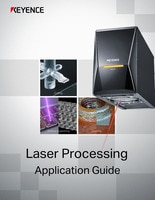
Laser Processing Application Guide
This booklet covers a wide range of laser processing techniques - such as cutting, drilling, and deep engraving - as well as welding and soldering that are unique to lasers.