Optical Comparator (Profile Projector)
Calibration Techniques for Precision Measurement Systems
Key Takeaways
- Select the right calibration technique—comparison, simulation, or direct—based on your specific measurement equipment.
- Use calibration standards traceable to national bodies like NIST, with references at least 4x more accurate for reliable data.
- Decide between in-house, external, or on-site calibration based on cost, turnaround time, and access to specialized expertise.
- Utilize automated tools and optical measurement systems to minimize human error, streamline processes, and ensure consistency.

Manufacturing precision depends on measurement technologies that yield accurate, traceable findings. The authenticity of your high-quality data and the accuracy of your equipment are preserved by using appropriate calibration techniques.
What Are the Different Types of Calibration Techniques for Measurement Systems?
Getting accurate results from your measurement systems starts with understanding which calibration techniques work best for your specific equipment. Three primary approaches are common: comparison calibration, simulation calibration, and direct calibration.
Depending on your needs for measurement and calibration, each approach has a distinct function. For common tools like calipers and micrometers, comparison techniques are effective. Complex sensors can be verified in a variety of environmental settings with the aid of simulation approaches. For crucial applications, direct methods with traceable standards guarantee the utmost accuracy. Your equipment will provide accurate data that supports quality control and regulatory compliance if the measurement is properly calibrated.
Steps to Perform Accurate Calibration Procedures
Accurate measurement starts with using the right calibration method for the instrument. Three common approaches are comparison calibration, simulation calibration, and direct calibration.
Each serves a different purpose. Comparison calibration is often used for tools like calipers and micrometers by checking them against a known reference. Simulation calibration is useful for more complex sensors, allowing you to test performance under different operating conditions. Direct calibration uses traceable standards and is typically reserved for critical applications where the highest accuracy is required. When calibration is done correctly, your measurement data stays reliable for quality control and compliance.
Calibration Standards: Ensuring Consistency Across Measurements
Reliable measurement systems are built on calibration standards. These reference materials link your day-to-day activities to global measuring standards upheld by institutions such as NIST. Your high-quality data lacks credibility if you don't follow the right criteria.
Knowing uncertainty budgets and traceability chains is essential to choosing the right calibration standards. The accuracy of your reference devices must be at least four times greater than that of the instruments under examination. Your complete quality system won't be compromised by measurement drift if these criteria are regularly verified. Documented evidence that standards are connected to national or worldwide references through continuous calibration chains is required by several sectors.
Tools and Instruments for Effective Calibration
Basic calibration programs need fundamental equipment: gauge blocks for length standards, deadweight testers for pressure verification, and certified thermometers for temperature control. Digital multimeters and frequency counters round out electrical measurement needs. These calibration tools form the foundation of measurement reliability.
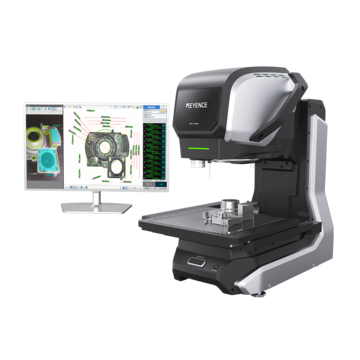
Automated calibrating solutions that minimize human error and expedite repetitive activities are often advantageous for facilities. These days, software platforms automatically produce compliance reports, monitor calibration histories, and forecast when instruments will deviate from specifications. Reduced rework and improved product consistency are two benefits of investing in high-quality reference tools and image measurement systems like the IM-X1000. Contemporary optical measurement technology provides non-contact verification choices that preserve outstanding accuracy while safeguarding sensitive components.
Calibration Methods
There are multiple ways to perform calibration. Select the optimal method that matches the conditions within your company.
| Calibration type | Description |
|---|---|
|
Calibration type
In-house calibration
|
Description
Certify a calibration specialist in-house, determine details such as the calibration interval and the calibration criterion, and then perform calibration. (Examples: Vernier calipers, micrometers, etc.)
|
|
Calibration type
External calibration (Off-site calibration)
|
Description
Send the measuring instrument to a calibration organization outside of the company, and have that organization perform the calibration. (Examples: Gauge blocks, dial gauges, etc.)
|
|
Calibration type
On-site calibration
|
Description
Submit a request to a calibration organization to have them send a calibration specialist to your company in order to perform on-site calibration. (Examples: Optical comparators, coordinate measuring machines, etc.)
|
Benefits of In-House vs External Calibration Method
A number of business considerations influence the decision between internal and external calibration. Once built, internal programs provide quicker turnaround times and cheaper per-calibration expenses. Your team learns more about how equipment behaves and is able to react quickly to problems with quality. However, you have to spend money on training, reference standards, and keeping up with documentation for your quality management system.
External calibration services lower the need for staffing and do away with the need for a capital investment in reference equipment. In addition to providing specific knowledge, third-party labs frequently uphold accreditations that meet client needs. Longer equipment downtime and shipping constraints are the trade-offs. Many businesses use hybrid strategies, outsourcing complex or infrequent tasks to experts while managing routine calibration procedures in-house.
KEYENCE Metrology Systems Are All In-House Recertification
Calibration in measurement becomes practical with KEYENCE metrology systems designed for simplified verification. Built-in diagnostics and reference artifacts eliminate dependence on outside services, reducing expenses without disrupting operations.
On-site recertification uses clear documentation and supplied standards, making the process accessible even with basic training. Equipment stays productive instead of sitting in transit or at external labs for extended periods.
Contact KEYENCE today to achieve precise measurements with expert calibration services.