Optical Comparator (Profile Projector)
Electronic Discharge Machining (EDM) for Precision Manufacturing
Manufacturing complex parts with exact specifications demands technology that can handle tight requirements without compromise. Electronic discharge machining has transformed how industries produce intricate components where traditional cutting methods fall short, creating shapes and features that were once considered impossible to manufacture.
The technology works by creating controlled electrical sparks between an electrode and the workpiece, both submerged in dielectric fluid. Each spark removes a tiny amount of material with incredible precision. Unlike conventional machining that relies on physical cutting forces, this method can work with any electrically conductive material regardless of hardness. The result of this for precision machining is clean, burr-free surfaces that often require minimal finishing work.
Key Benefits of EDM for High-Precision Machining
Precision machining reaches new heights with EDM technology. The process eliminates mechanical stress on delicate parts since there's no direct contact between the tool and workpiece. This means fragile components maintain their structural integrity throughout manufacturing.
Complex geometries like deep, narrow slots, sharp internal corners, and intricate cavities form easily through spark erosion. With surface roughness levels ranging from 0.1 to 0.4 micrometers, hard materials such as carbide, hardened steel, and exotic alloys react to EDM just as easily as softer metals. Even very hard materials maintain consistent cutting performance throughout production runs, ensuring each component is identical.
How EDM Delivers Zero Tolerance Precision for Complex Parts
Controlled electrical discharge makes zero-tolerance machining possible. Micron-scale changes are possible because each spark eliminates material in minuscule amounts. Parallel walls are naturally produced by the method, which also keeps perpendicularity without causing deflection.
Modern controllers manage discharge energy by adjusting pulse duration, current, and frequency to fine-tune material removal rates and surface quality. Parts can meet tolerances of ±0.0001 inches or tighter.
Wire EDM uses a continuously moving wire electrode that cuts through material while maintaining exceptional straightness. This method is great at creating punches, dies, and other components where accuracy is a must.
Applications of EDM in Complex Component Manufacturing
Medical device manufacturers rely on EDM for surgical instruments and implants that demand both biocompatibility and extreme precision . EDM precision parts meet the stringent requirements of FDA-regulated products where patient safety depends on exact dimensions.
Aerospace components benefit from EDM's ability to work with temperature-resistant superalloys. Turbine blades, fuel system components, and structural elements are made from nickel-based alloys and other difficult materials that challenge conventional tooling.
Tool and die shops use electric discharge machining to create molds with complex cooling channels and fine details. Plastic injection molds frequently demand fine features that EDM can achieve more economically than conventional machining. This technology also has the ability to repair damaged dies by building up worn areas before re-machining to original specifications.
EDM vs. Traditional Machining Methods
Traditional milling and turning excel at removing large amounts of material quickly, but struggle with certain geometries and hard materials. Cutting forces can deflect thin walls or cause vibration in delicate features. EDM avoids these limitations completely.
Conventional methods require tool access to every surface being machined. EDM's ability to erode material along the path of an electrode or wire means accessibility concerns vanish for most designs.
For simple shapes and high-volume production, traditional machining is quicker. For complex or hard materials, EDM can be faster by removing the need for multiple setups and secondary operations . The image measurement systems used for quality control show these advantages clearly.
Choosing the Right EDM Machine for Your Production Requirements
Production volume, part complexity, and accuracy requirements all factor into machine selection. Budget considerations include:
- Initial equipment cost
- Ongoing electrode expenses
- Wire consumption
- Dielectric fluid maintenance
Sinker EDM machines create cavities and complex shapes using formed electrodes. They work well for low to medium production volumes where part complexity justifies electrode fabrication time, producing multiple features at once.
When it comes to high-precision cutting applications for profiles, punches, and pieces that need to be extremely accurate, wire EDM systems are a great choice. Quicker setup times and the continuous wire feed guarantee steady cutting performance during production runs.
EDM measurement capabilities should match the tolerances you need to verify.
Why Choose KEYENCE for Wire EDM Component Inspection
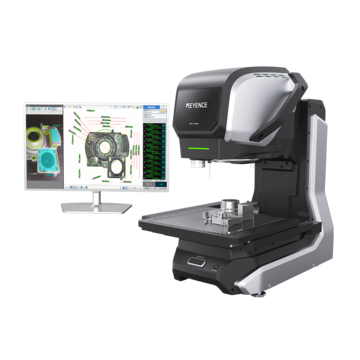
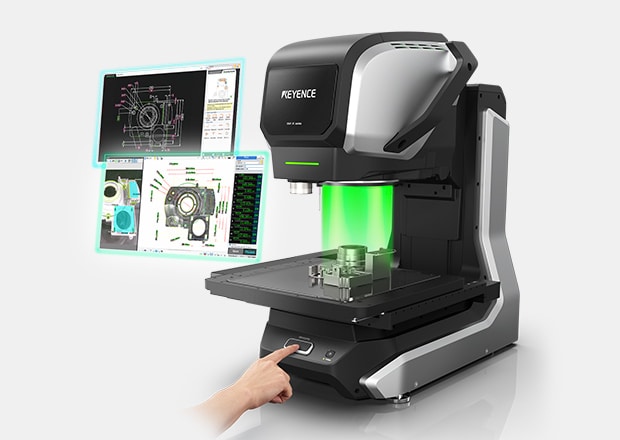
KEYENCE delivers the precision measurement equipment and expertise that intricate EDM components demand. The IM-X1000 Series provides rapid, non-contact inspection that meets production requirements through high-resolution optics capturing complete part profiles without probing delays.
Automated measurement verifies features in seconds for 100% inspection, while advanced software handles challenging reflective surfaces, adapts to varied materials with minimal reprogramming, and automatically generates traceability records, giving manufacturers the speed, accuracy, and documentation modern EDM work requires.
Maximize EDM precision with KEYENCE today!

FAQs
What Makes KEYENCE Measurement Systems Good for Wire EDM Components?
Non-contact measurement matches wire EDM's precision while drastically reducing inspection time. High-resolution imaging captures intricate features and small radii that contact probes struggle with, handling both 2D and 3D measurements in a single setup.
How Do KEYENCE Inspection Systems Enhance EDM Performance?
Real-time measurement feedback allows operators to detect trends before parts go out of specification. Quick verification of initial pieces reduces scrap from setup errors. The comprehensive measurement data helps optimize EDM parameters for better surface finish and faster cycle times.
How Can KEYENCE Measurement Solutions Help Reduce Downtime in EDM Manufacturing?
KEYENCE automated inspection systems speed up verification without compromising throughput and remove quality control bottlenecks. Compared to complicated coordinate measurement devices, the systems' dependability shortens troubleshooting times.