Machine Vision
4 Ways Vision Systems Revolutionize Inspection in the Food Industry
Key Takeaways
- Vision systems detect contaminants and defects faster and more reliably than human inspection.
- AI edge-learning lets systems learn "good" product appearance from few images for rapid deployment.
- Real-time inspection flags hazards on fast lines, enabling automatic removal and inspector review.
- Machine vision streamlines lines, reduces labor for manual checks, and creates traceable batch records.
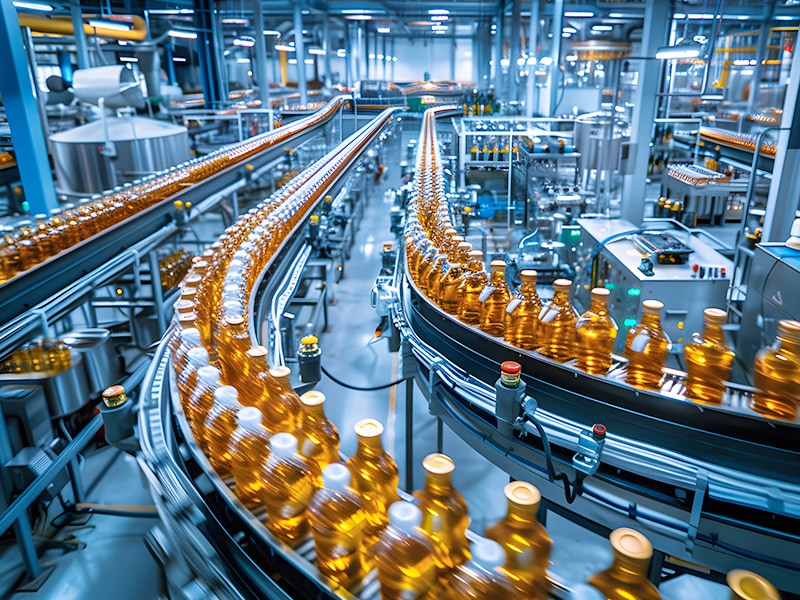
The days of manual inspection for high-volume production lines are over. Vision systems are the modern answer and future of inspection in the food industry. These technologies revolutionize how food inspections are carried out. They can detect the slightest contaminants, defects, and irregularities in food products with great speed and accuracy.
Importance of Inspection in the Food Industry
The authorities and regulatory bodies take matters concerning consumer health and protection seriously. Sending food products with issues into the market can expose a food company to costly fines, bad reputation, loss of revenue, and lawsuits. To avoid such situations, food companies spend thousands of dollars hiring employees to conduct visual inspections throughout production.
Whether a company is producing a few hundred or a million food products each day, it needs accurate inspections to:
- Detect defects and contamination
- Protect consumer health
- Reduce recalls
- Comply with regulations
- Maintain quality control
- Enhance brand reputation
- Increase customer loyalty and trust
However, manual inspection with human vision can’t guarantee accurate and consistent results in these areas. Companies are now turning to vision systems for inspections in high-speed production facilities.
Advantages of Vision Inspection Systems for Food Products
From detecting contaminants to streamlining production lines and reducing errors, modern vision inspection systems are key additions to production processes in the food industry. Human vision helps in manual inspection but cannot be relied upon for high-volume or large-scale inspections. Here are four areas in which machine vision is transforming inspection in the food industry:
Detecting Contaminants and Defects in Food Products
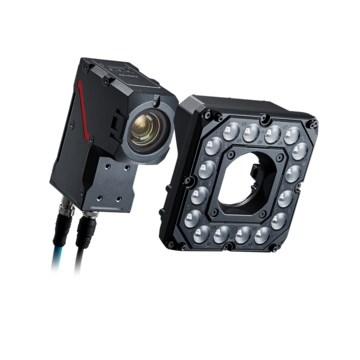
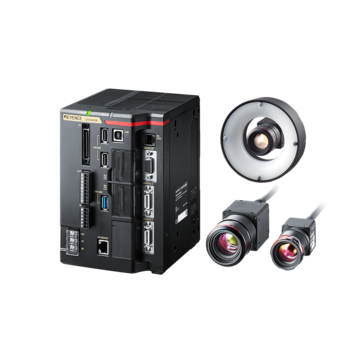
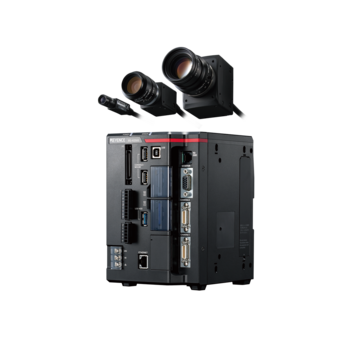
Broken glass, plastic, wood, or other foreign materials could infiltrate food packages. The KEYENCE VS Series machine vision system uses advanced AI detection algorithms combined with high-quality cameras to identify these contaminants reliably. Unlike traditional vision systems requiring hundreds of training images, the VS Series leverages edge learning technology to achieve rapid deployment—learning to identify quality standards from a small number of training images. By training the system to recognize what a "good" product looks like, the VS Series can automatically flag any deviations, eliminating the need to pre-program every possible defect type. Detected contaminants trigger automatic removal of affected products from the line, reducing the risk of human error, while also sending flagged images to inspectors for final verification.
The VS Series combines both AI-powered adaptability and rule-based reliability to detect even the tiniest irregularities. On fast-moving manufacturing lines where human vision cannot spot foreign objects, tears in packaging, or subtle defects, the VS Series equipped with optimized imaging and intelligent processing can catch quality issues in real time. This intelligent approach eliminates costly inspection mistakes that could lead to recalls, regulatory fines, or damage to brand reputation.
Real-Time Inspection for Identifying Potential Hazards
Manufacturing and production processes in the food industry benefit from the real-time inspection provided by machine vision systems. With production lines moving rapidly, foreign objects could find their way into products or packaging without being detected by human eyes. Many vision systems come with high-precision cameras and built-in AI learning models to detect and identify even the slightest deviation from preset criteria right there on the production line. Some of these vision systems not only rely on rule-based programming but can also learn from data to identify and isolate in real-time irregularities that could lead to health hazards.
Enhanced Safety and Efficiency
Machine vision systems can track raw materials, ingredients, and finished goods for incorrect labeling, mismatched bar codes, etc, throughout production. This helps ensure safe products get into the market. Machine vision systems can also create detailed records for each package and batch throughout the production process for future reference, ensuring efficiency in business operations.
Modern vision technologies like the KEYENCE VS Series are equipped with advanced features for enhanced identification and classification. The VS Series, for example, comes with the ZoomTrax image resolution module for quality image capturing and the LumiTrax lighting feature for brightness and glare reduction. These and many more capabilities offered by the AI vision system improve efficiency.
Streamlining Production Lines and Reducing Errors
The goal of every manufacturing or production company is to make its production workflow simple and effective. Machine vision inspection in the food industry can help streamline production processes and activities.
For example, instead of having employees stationed at different equipment and workstations in the production line for manual inspection, vision systems with high-resolution cameras can be used and achieve far better results. Vision systems reduce the need for human workers and resources to care for them, allowing employees to better channel their efforts to other areas in the business where a human touch is more important.
Manufacturing and production companies also use vision systems to minimize errors. These technologies can recognize subtle nuances in types, colors, and sizes that human inspectors are unfamiliar with or for which they lack the necessary training.
The Transformative Impact of Vision Systems and Industrial Automation in Food Safety and Inspection
Vision systems used for food products play a key role in faster, more accurate food inspection, better than what human inspection can achieve. With machine vision systems, food manufacturing companies have been able and continue to inspect millions of product units in a relatively short time. This helps to deliver safe and quality products to consumers.
KEYENCE is always ready and available to help customize automated vision systems that are easy to set up and manage. Our expert engineers will gladly inspect your food production or manufacturing line, discuss your needs, and provide recommendations.
To learn more, contact us today.