Machine Vision
Overcoming Bin-Picking Challenges With KEYENCE Advanced Vision Systems

While robotic bin-picking may appear straightforward, the reality involves complex challenges related to precision, speed, material handling, and system reliability.
Manufacturers often rely on repetitive manual picking processes that can create inefficiencies, production bottlenecks, and labor constraints. The randomness of object placement, varying part shapes, and changing production conditions can make bin-picking one of the more difficult automation applications to implement successfully.
Modern 3D vision-guided robotic systems help address these challenges by providing accurate part location data, intelligent robot guidance, and reliable performance across a wide range of applications. This article explores common bin-picking challenges, the hidden costs of manual picking processes, and how advanced vision systems can improve efficiency, consistency, and overall manufacturing performance.
Understanding Bin-Picking and Its Challenges
Bin-Picking Process Overview
In a bin-picking application, robots identify, locate, and remove parts from a bin before placing them in the appropriate location. These systems typically use 3D cameras, vision software, and advanced algorithms to determine part position and orientation. Industries such as automotive manufacturing, metalworking, and assembly operations frequently use robotic bin-picking to automate repetitive material handling tasks.
The Hidden Cost of Manual Bin Picking
Manual bin picking often creates costs that extend far beyond direct labor expenses. Many facilities experience hidden inefficiencies caused by inconsistent picking speeds, labor shortages, picking errors, production delays, and equipment waiting for parts to be supplied.
Labor-Intensive Repetitive Tasks
Order picking is one of the most labor-intensive activities in many manufacturing operations. Beyond wages, organizations may also incur costs associated with training, overtime, turnover, and staffing shortages. As production demands grow, these challenges can make it increasingly difficult to maintain consistent throughput.
Production Bottlenecks
Manual picking processes rarely operate at a perfectly consistent pace. Variations in worker speed and availability can impact production flow, creating bottlenecks that affect downstream operations. When picking cannot keep up with production demand, organizations often compensate through additional labor rather than addressing the underlying process limitations.
Picking Errors and Product Damage
Incorrect picks, misplaced components, and product damage can lead to rework, shipment delays, quality concerns, and customer service costs. These issues not only impact productivity but can also affect overall operational efficiency.
Common Bin-Picking Challenges
Precision
Traditional bin-picking systems must accurately identify and locate parts within a container. Variations in part orientation, overlapping parts, and complex geometries can make reliable picking difficult. Older vision systems often struggle to consistently determine the exact position of an object, increasing the likelihood of mispicks.
Speed
The success of a bin-picking application depends heavily on processing speed. Slow image acquisition, delayed data transfer, and lengthy robot path calculations can reduce throughput and limit overall productivity.
Reflective Material Handling
Reflective and metallic components present unique challenges for many vision systems. Glare and inconsistent lighting can make it difficult to capture accurate surface information and reliably locate parts.
System Stability in Harsh Environments
Temperature changes, varying lighting conditions, vibration, and environmental contaminants can negatively impact some vision systems. Maintaining reliable performance in real-world production environments is essential for successful automation.
How Modern Vision Systems Address Bin-Picking Challenges
Precision and Reliable Part Location
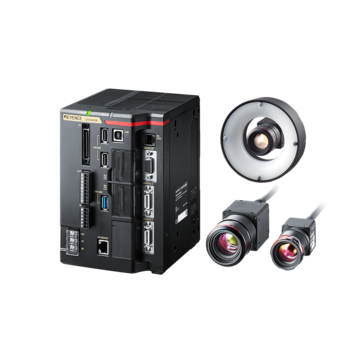
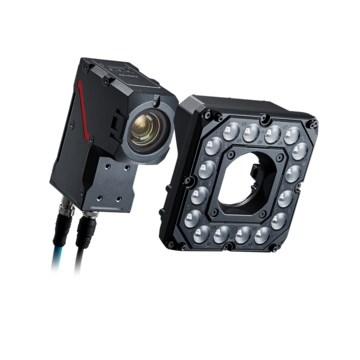
KEYENCE 3D vision systems use high-resolution imaging and advanced recognition technology to improve object identification and positioning. Accurate part location information helps robots make reliable picking decisions, even in complex environments.
Faster Processing and Improved Throughput
High-speed image acquisition and processing capabilities help reduce delays associated with traditional systems. Faster data collection allows robots to operate more efficiently and maintain higher throughput levels.
Improved Performance on Reflective Parts
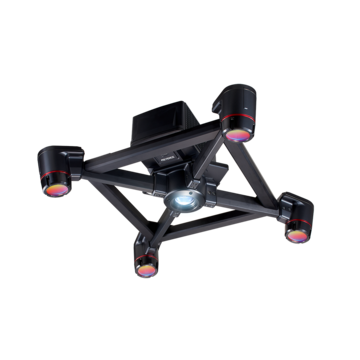
The RB uses multiple camera angles and structured light projection to capture more complete surface data. This enables reliable detection of shiny or reflective parts that may be difficult for conventional systems to identify.
Stability in Demanding Environments
Advanced image processing technology helps maintain reliable performance despite changes in lighting conditions or environmental variability, supporting consistent operation across production environments.
How Bin-Picking Automation Improves Manufacturing Efficiency
Robotic bin-picking systems help manufacturers improve consistency by applying automated processes to repetitive material handling tasks. By reducing variability and supporting continuous operation, automation can contribute to more predictable production performance.
Continuous Operation
Automated systems can operate across multiple shifts without the fatigue or variability commonly associated with repetitive manual tasks. This helps manufacturers maintain production schedules while supporting better equipment utilization.
Consistent Picking Performance
Vision-guided robotic systems provide reliable part location data, helping reduce the likelihood of incorrect picks and product damage. Consistent performance can support quality objectives while minimizing operational disruptions.
Increased Throughput
Automated systems perform repetitive picking processes consistently, helping reduce process variability and improve workflow efficiency. More predictable cycle times can contribute to smoother production operations and increased output.
Seamless Integration
Modern bin-picking systems can integrate with robots, conveyors, PLCs, and existing production equipment. This flexibility allows manufacturers to implement automation while maintaining compatibility with their current workflows.
Key Features of KEYENCE 3D Vision Systems
- High-resolution imaging technology
- Automatic path planning
- Advanced 3D object recognition
- Simple setup and calibration
- Easy integration with industrial robots
Automatic Path Planning and Optimization
KEYENCE automatic path planning technology helps robot arms avoid obstacles and efficiently retrieve parts without colliding with surrounding objects. The system calculates optimized paths for each picking operation, helping maintain productivity and minimize disruptions.
Simple Setup and Calibration
KEYENCE vision systems feature simplified calibration and user-friendly setup processes that help manufacturers integrate automation more quickly and reduce deployment complexity.
What Affects the ROI of a Bin-Picking System?
The return on investment for robotic bin-picking automation depends heavily on the application. Factors such as production volume, labor requirements, shift structure, quality objectives, and throughput goals all influence potential returns.
Key Factors to Evaluate
When assessing a bin-picking project, manufacturers should consider:
- Current labor requirements
- Production volume
- Throughput goals
- Picking error frequency
- Rework costs
- Equipment utilization
- Integration requirements
- Long-term scalability
Common Sources of Value
Bin-picking automation may help organizations achieve:
- Reduced manual handling
- Improved process consistency
- Increased throughput
- Fewer picking errors
- Better equipment utilization
Because every application is unique, potential returns should be evaluated within the context of specific operational requirements and production goals.
When Does Bin-Picking Automation Make Sense?
Not every application requires the same automation strategy. The most successful implementations begin with a clear understanding of production requirements, part characteristics, and business objectives.
Organizations often evaluate bin-picking automation when they experience:
- Labor shortages
- High-volume repetitive picking tasks
- Throughput limitations
- Frequent picking errors
- Product damage
- Growing production demands
Part size, geometry, material characteristics, and presentation methods should all be considered during system selection. Reflective, transparent, or highly complex parts may require more advanced vision capabilities to ensure reliable performance.
Conclusion
Robotic bin-picking helps transform repetitive manual processes into more efficient and consistent automated operations. By combining advanced 3D vision technology with intelligent robot guidance, manufacturers can address common challenges related to precision, speed, reflective materials, and environmental variability.
Beyond solving technical challenges, automation can help reduce process variability, improve throughput, support quality initiatives, and increase operational efficiency. The most successful projects begin with a clear understanding of application requirements and production objectives.
KEYENCE application engineers can evaluate your specific parts, processes, and performance goals to help determine the best approach for your operation.

FAQs
What Are the Biggest Challenges in Robotic Bin-Picking?
Precision, processing speed, reflective materials, and environmental variability are among the most common challenges in bin-picking applications.
How Can Vision Systems Improve Bin-Picking Performance?
Vision systems help robots accurately identify part position and orientation, improving picking consistency and reducing errors.
Can Robotic Bin-Picking Help Reduce Labor Costs?
Robotic bin-picking can reduce the manual effort required for repetitive tasks while supporting more consistent production performance.
How Is ROI Calculated for a Robotic Bin-Picking System?
ROI depends on factors such as labor requirements, production volume, throughput goals, quality objectives, and overall application needs.
What Types of Parts Can Be Handled With Vision-Guided Bin-Picking Systems?
Vision-guided systems can be used with a wide range of parts, including complex, metallic, and reflective components, depending on application requirements.
How Do I Know if Bin-Picking Automation Is Right for My Application?
Evaluating production volume, labor requirements, throughput goals, and part characteristics can help determine whether automation is a good fit. KEYENCE application engineers can assist with application reviews and system selection.