Industrial Laser Marking Systems / Laser Markers
Laser Marking for Cables and Fiber-Optic Assemblies
The thousands of cables that pass through conduits and racks in every data center and aircraft can pose a challenge. A single misconnection can disrupt networks or jeopardize safety systems, proving the need for proper identification. The problem is, most conventional labels separate during normal handling, smear when exposed to chemicals, and peel off in hot conditions.
By physically etching identification onto cable jackets and fiber sheaths, laser marking for cables resolves these issues. For the duration of the installation's service life, the marks become an integral part of the surface rather than wearable additions.

Why Permanent Identification Matters for Cables and Fiber Optics
Misidentified wires lead to costly problems. A technician may pull the wrong network cable while performing maintenance, which could bring down entire server clusters. In aeronautical applications, confusion between similar-looking cables during maintenance operations poses a safety issue. In large facilities, even a little delay in finding the correct cable mount can result in thousands of connections.
Wire and cable identification must withstand every challenge the installation faces. Data center cables are subjected to temperature fluctuations between hot exhaust zones and chilly hallways. Jet fuel exposure, pressure fluctuations, and vibration all affect aircraft wiring. Extreme temperatures, hydraulic oils, and cutting fluids are all handled by industrial control systems.
Another level of complication is introduced by traceability requirements. Documentation demonstrating which cables were placed, when, and by whom is required for regulated industries. The documentation loses all value when labels deteriorate or flake off since physical verification is no longer feasible.
These problems are resolved by laser marking wires due to its permanency. Because the marks are etched into the material itself, they remain attached to the cable. They are unaffected by extremes in temperature. They cannot be eliminated by chemical exposure and remain readable throughout the cable's whole operational life.
Ensuring Durability Under Heat, Abrasion and Environmental Stress
Cable environments vary dramatically across industries. For example, server room cables experience occasional handling and moderate temperatures. Harnesses for automobile engines deal with 250°F heat and oil spray. Wiring on offshore platforms is exposed to UV rays and salt spray. All of these circumstances must be accommodated by high-contrast cable marking solutions without sacrificing readability.
The marking process itself is how laser marking achieves longevity. By using controlled heat or material removal, lasers modify the cable surface instead of adding foreign materials like adhesive or ink. This produces marks that are equally resistant to the elements as the wire jacket material, without compromising the integrity of the jacket.
Abrasion resistance is particularly important in cables that are often handled. Technicians dragging cables through conduit or bundling them in wire management systems cause friction, which wears away printed labels. When laser marking cables, the laser etches beneath the surface layer to protect the identifier from wear caused by normal handling.
Laser Marking Technologies for Wire Jackets and Fiber Sheathing
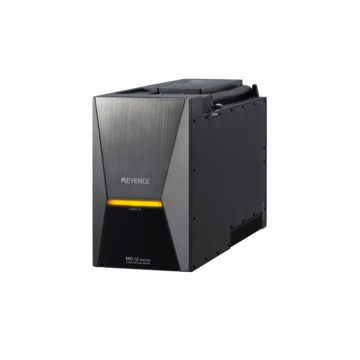
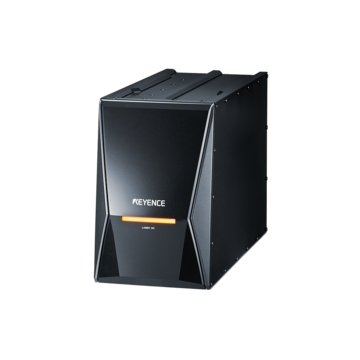
Technicians must balance contrast and depth to create readable indicators without damaging the cables. Lasers generate unique IDs that are shallow enough to preserve insulation and safeguard conductors. While engraving produces deeper channels that can tolerate significant surface wear, etching eliminates thin surface layers to reveal contrasting colors for improved visibility. UV laser markers are becoming more utilized in this area for their ability to generate contrast at high speeds, without burning into the surface like an engraver would.
Fiber optic laser marking needs to be extremely precise since the glass fibers inside are fragile. To prevent stress spots that could hinder data transmission or increase attenuation, marks must stay on the outer jackets. Large-scale management of this is done by modern systems, which effectively attach alphanumeric or QR labels to thousands of links through automated feeds. Many establishments even use color-coded clothing in conjunction with laser marks to create a tiered organization.
Applications in Data Centers, Aerospace and High-Reliability Systems
Laser tagging is frequently used in data centers to manage the 50,000+ connections that connect computers and switches. When hardware fails, these persistent identifiers enable specialists to trace and fix connections in minutes, not hours. Reliability is especially important in aerospace, where hundreds of wires are wrapped into tight harnesses. These markings must be legible for decades, despite frequent vibration, severe temperatures, and exposure to hydraulic fluids.
Aside from aviation and data, laser-marked cables are critical in industrial plants and power stations, where they prevent harmful wiring errors in complex cable trays. In the medical profession, these marks withstand harsh sterilization cycles on internal device wire. Similarly, telecommunications companies utilize unique laser IDs to help field specialists rapidly discover individual strands inside multi-fiber bundles during network repairs.
Request a demo of KEYENCE cable and fiber-optic marking solutions.

FAQs
Can Laser Marking Be Applied to Fiber-Optic Jackets Without Affecting Performance?
Yes, when done correctly. Proper testing confirms that well-placed marks don't increase signal loss or reduce cable flexibility, as the laser affects only the outer jacket without penetrating the inner optical fibers.
How Can Laser-Marked Cables Support Long-Term Maintenance and Audits in Aerospace or Data Centers?
Laser marking cables connect physical wires to digital records permanently. Technicians scan marks during audits to verify installation accuracy, with identifiers remaining legible on cables installed decades earlier.
What Size and Contrast Levels Provide the Best Readability in Dense Cable Bundles?
Character height should be at least 2-3 mm to provide easy reading without magnification. The high contrast between the mark and jacket color promotes visibility in the low-light settings found in equipment racks. Testing in real-world installation situations aids in the determination of the ideal mark size.