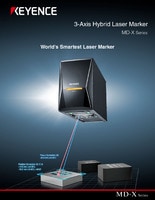
Industrial Laser Marking Systems / Laser Markers
Laser Marking for Renewable Energy Parts
-
Tags:
- Laser Marking , Laser Ablation , Laser Labeling
Key Takeaways
- Laser marking supports long-term traceability on metals, plastics, and coated materials used across renewable energy manufacturing, especially in solar/PV.
- Modern systems can improve uptime with features like 3-Axis marking, autofocus, and a built-in camera to stabilize mark placement despite part variation.
- Beyond marking, laser systems can also support select processing tasks (e.g., coating removal, insulation stripping) to reduce steps in production.
Marking Renewable Energy Industry Parts: Why Traceability Matters
Renewable energy products often operate outdoors, in heat/cold cycles, UV exposure, and chemically aggressive environments. This creates a practical requirement: part identification must survive the product’s life while remaining readable at receiving, assembly, installation, and service.
Laser marking is frequently chosen because it can create high-contrast, permanent marks—such as serial numbers, date/lot codes, 2D Data Matrix codes, and logos—without consumables like ink or labels.
Common renewable energy components where laser marking is applied include:
- Solar/PV: aluminum frames, glass-related components, junction boxes, backsheets, cables/connectors, mounting hardware, inverter housings, and electronic assemblies
- Energy storage (BESS/EV supply chain): module housings, busbars, brackets, connectors, and plastic components
- Wind: bearings, gears, fasteners, housings, and coated parts
- Hydrogen/fuel cell systems: metal fittings, manifolds, and polymer components
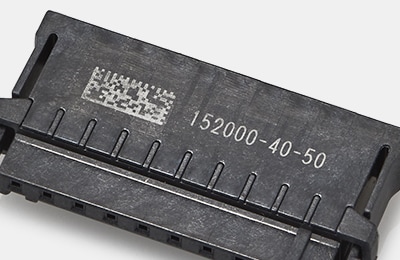
Connector (LCP)
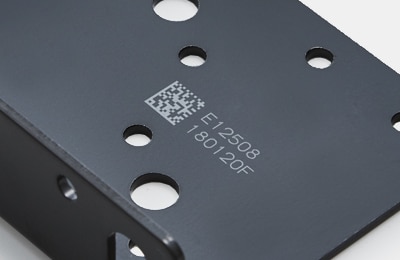
Bracket (cationic coating)
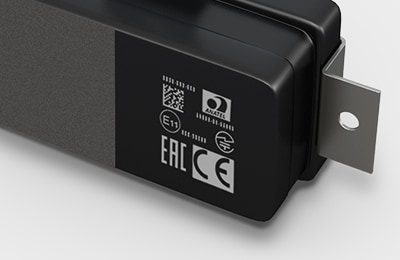
ECU housing (PPE)
Renewable energy manufacturing spans a wide range of materials, including anodized aluminum, stainless steel, copper, nickel-plated steel, silicon-related components, and plastics such as PBT, PC, PA, plus film/backsheet materials like PET/PVDF. Laser marking systems are typically selected based on how they interact with these substrates (contrast, depth, heat sensitivity, and surface finish).
A Guide to Laser Engraving Solar Panels
In solar manufacturing and downstream assembly, identification supports process control, warranty traceability, and field-serviceability. While solar panels can refer to the finished module, laser marking needs exist throughout the ecosystem of module-related parts.
Typical marking objectives:
- Traceability: unique IDs for lot tracking, supplier tracking, and quality containment
- Readability: marks that remain machine-readable after handling and exposure
- Throughput: consistent cycle time without frequent consumable replacement
- Durability: resistance to abrasion, UV exposure, and temperature cycling
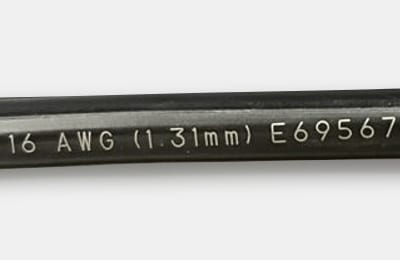
Cable
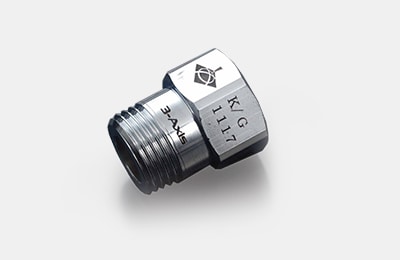
Bolt
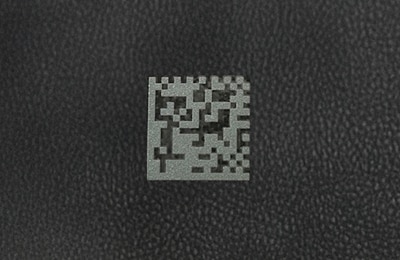
Glass Panel
Where laser marking often fits in a solar/PV line:
- Aluminum frames and metal brackets: durable IDs and 2D codes
- Junction boxes and connectors (plastics): high-contrast, low-damage marking
- Coated or painted metal parts: marking through coatings or selectively removing coatings
- Inverter housings and metal plates: permanent IDs that survive maintenance environments
- Cables and strain-relief components: part ID and lot control (often plastics/rubber-like materials)
Laser Marking in the Energy Industry: 5 Ways to Boost Efficiency
Laser marking is commonly evaluated for mark quality, but engineers also look for ways it can stabilize production and reduce rework. Below are five efficiency levers that often matter in renewable energy manufacturing.
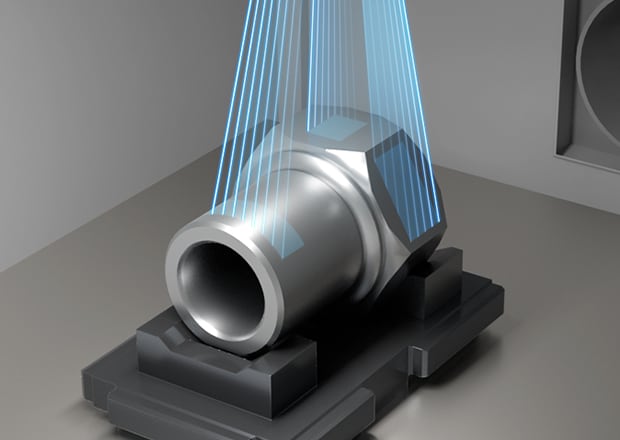
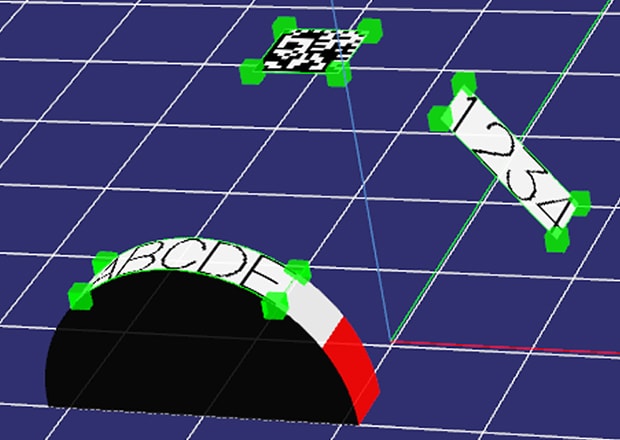
1. Reduce Variability With 3-Axis Marking
Renewable energy parts are rarely perfectly flat—castings, extrusions, molded plastics, and assembled components introduce height variation. A 3-Axis laser marker helps maintain consistent mark shape across uneven surfaces by adjusting marking relative to part geometry.
2. Stabilize Focus Automatically (Autofocus)
Focus-related variation can turn into scrap when a line runs multiple part variants or when fixtures wear. Autofocus reduces sensitivity to Z-height differences and setup drift, improving first-pass yield—particularly on mixed-model production and frequent changeovers.
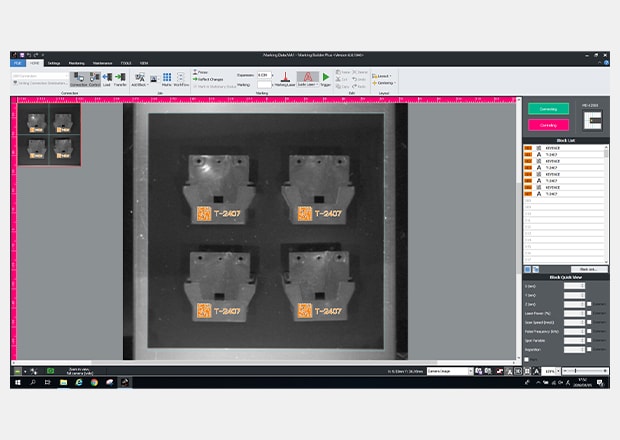
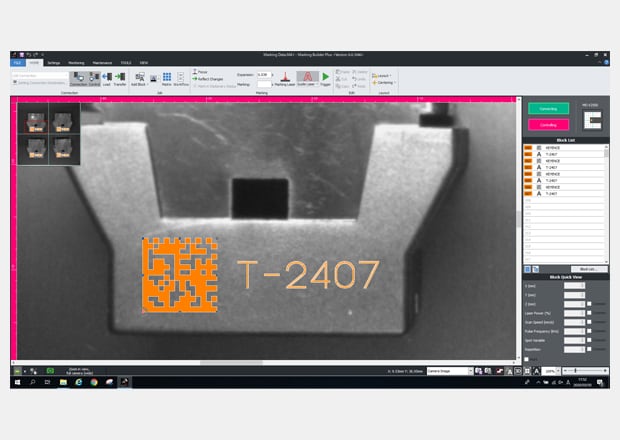
3. Improve Placement Consistency With a Built-In Camera
A built-in camera supports consistent mark placement by recognizing part position/orientation or referencing key features before marking. This can reduce issues like offset marks due to fixture tolerance stack-up, mismarking after changeover, and part-to-part placement drift.
4. Match Laser Type to Substrate Sensitivity (Metals vs Plastics)
A practical approach is selecting capability based on the substrate:
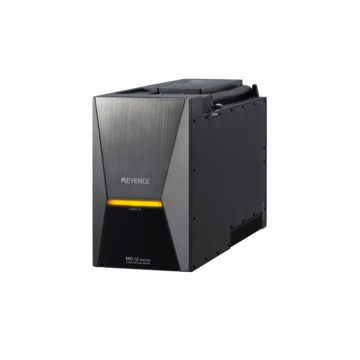
- Metals / robust surfaces: KEYENCE MD-X2 is commonly positioned for metal marking applications where durability and contrast are priorities.
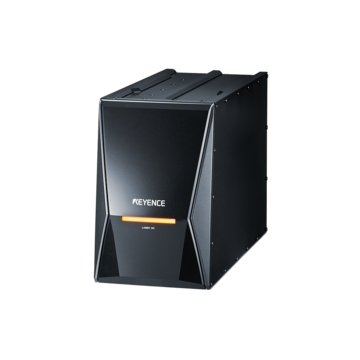
- Plastics / sensitive components: KEYENCE MD-U2 is often considered for applications needing controlled marking on plastics or sensitive surfaces.
5. Minimize Downtime Through Support and Logistics
In high-mix renewable energy production, process changes happen quickly: new suppliers, new coatings, new part revisions, or new code formats. A global direct sales approach, comprehensive support system, and same day shipping can reduce delays when engineering needs fast parameter optimization, replacement parts are required quickly, or application follow-up must match production timelines.
Application of Laser Equipment in Photovoltaic (PV) Production
In PV-related manufacturing, laser equipment can support both marking (identification/traceability) and select processing steps (surface or coating interactions). The benefit is often simplification: fewer tools, fewer consumables, and fewer handling steps.
Marking applications in PV production environments:
- Marking applications in PV production environments:
-
- 2D codes and serials on metal frames, brackets, or housings
- High-contrast IDs on molded plastics like junction box components
- Supplier/lot tracking marks on subassemblies supporting downstream quality containment
- Processing-adjacent applications:
-
- Coating/paint removal to expose base material for bonding/grounding
- Insulation stripping on certain wire/cable constructions
- Surface texturing for improved adhesion in bonding steps
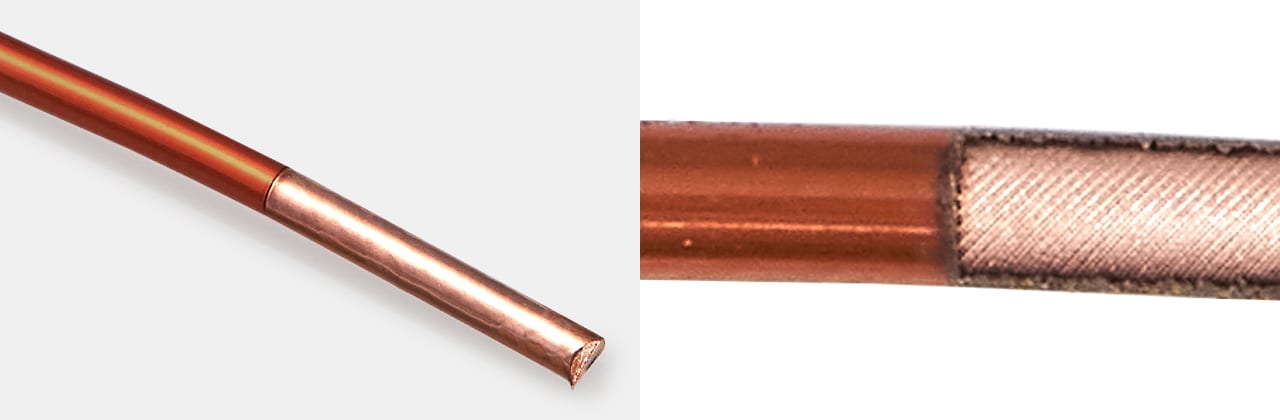
Insulation stripping on coils with MD-U2
Laser Applications for Photovoltaic Cells
Photovoltaic cells and related electronics environments can be sensitive to heat and contamination. When laser marking is considered around these components, key evaluation points often include thermal impact control, particle generation, contrast/readability, and consistency across surface variation.
In facilities operating under quality frameworks like ISO 9001 (a quality management system standard that emphasizes controlled processes and traceability appropriate to the product), identification methods are commonly selected to support consistent records and containment practices.
Laser Technology for the Energy Industry
Laser technology fits into the energy industry as a practical tool for traceability and process simplification across solar/PV, storage, wind, and power-electronics manufacturing, where parts span metals, plastics, and coated surfaces and must remain identifiable throughout handling, installation, and service.
Summary
- Renewable energy manufacturing—especially solar/PV—often requires durable, readable identification for traceability across harsh environments.
- Features like 3-Axis marking, autofocus, and a built-in camera can help maintain mark quality despite part variation and changeovers.
- Systems such as MD-X2 (metals) and MD-U2 (plastics/sensitive parts) are commonly positioned to match substrate needs.
- Fast application follow-up can be supported by global direct sales, comprehensive support, and same day shipping to reduce downtime during new-part trials and changes.

FAQ
What Do People Use Laser Engravers for?
In manufacturing, laser markers are used to put permanent identification—like serial numbers, date/lot codes, and 2D codes—directly onto parts. In renewable energy, this is often used to support traceability on metal frames/brackets and on plastic junction boxes and connector components.
How Do We Choose a Laser Engraving Marking Machine?
Selection typically depends on the material, required mark durability/contrast, and the amount of part variation the process must tolerate. Features like 3-Axis, autofocus, and a built-in camera can improve consistency, while systems like MD-X2 (often aligned with metals) and MD-U2 (often aligned with plastics/sensitive parts) are chosen based on sample results.
What Are the Advantages of a Laser Marking Machine?
Laser marking can produce durable marks without consumables, which helps reduce variability associated with inks or labels. It can also support fast changeovers by updating mark content through recipes while maintaining consistent placement and focus with modern control features.
How Does a Laser Marking Machine Work?
A laser marker focuses a beam onto a surface to create contrast by changing the material surface. The mark result depends on the substrate, surface condition, and process settings selected for that application.