Industrial Laser Marking Systems / Laser Markers
Laser Marking Job Shop Parts
-
Tags:
- Laser Marking , Laser Engraving , Metal
Key Takeaways
- Laser marking improves traceability, quality control, and lead time for high-mix machine shops.
- Choose laser type by material: fiber/hybrid for metals, UV for plastics, CO2 for coatings.
- Lock recipes (power, speed, frequency, hatch) to ensure stable contrast and predictable cycle time.
- KEYENCE features—3-axis beam, camera alignment, autofocus, Hybrid MD-X2—reduce fixturing.
- Enclosures, interlocks, fume extraction, and standards (IATF16949, UDI, MIL-STD-130) ensure compliance.
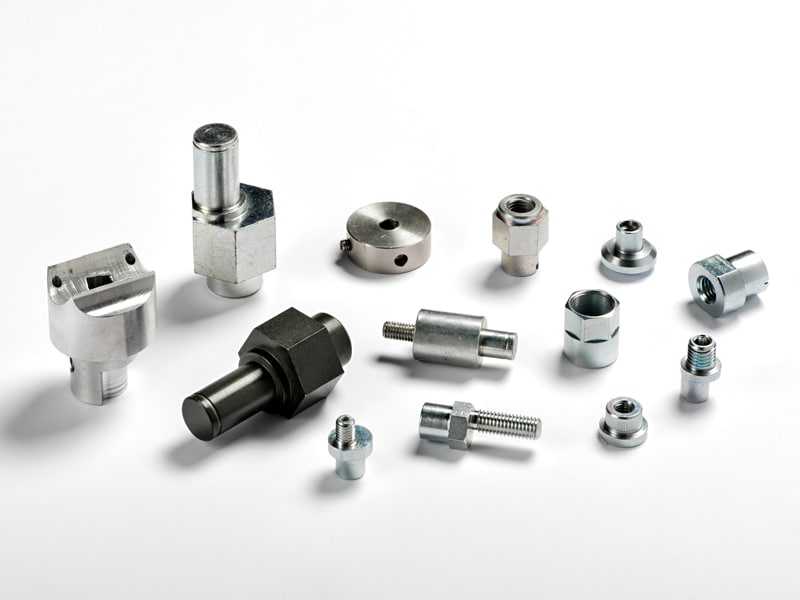
Laser marking helps machine shops control quality, traceability, and lead time while staying flexible for high-mix work. Laser Marking Machines fit into cells and mark text, codes, and logos on varied part shapes and materials. This guide focuses on Laser Marking for Machine Shops and explains how to set up stable marks with the right process checks.
Introduction to Laser Marking Systems
A thin surface layer is modified to create durable, readable information while preserving part geometry. You can anneal, etch, engrave, or ablate coatings based on material, finish, and required permanence. Laser Marking Systems for Engraving and Etching Parts let you balance contrast, cycle time, and downstream needs with recipe control.
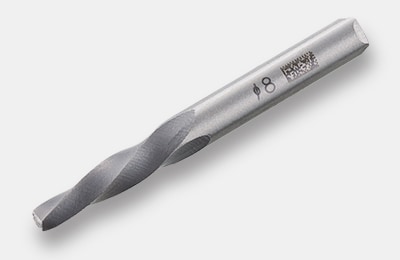
Carbide drill bit
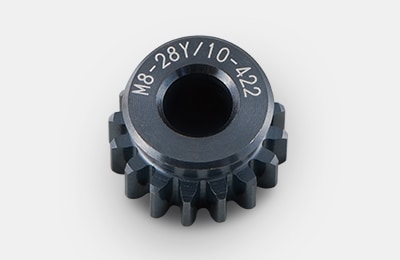
Anodized aluminum gear
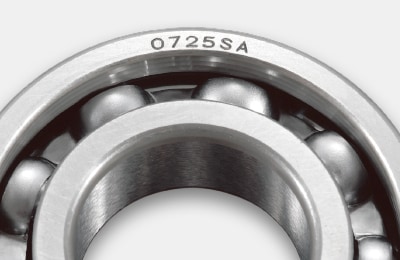
Ferrous metal bearing
What Makes KEYENCE a Good Fit for Machine Shops
Machine shops need consistent marks across changing materials, part heights, and geometries. KEYENCE laser markers focus on ease of setup, stable quality, and predictable cycle time without heavy fixturing.
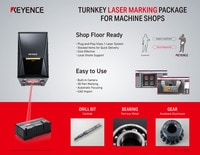
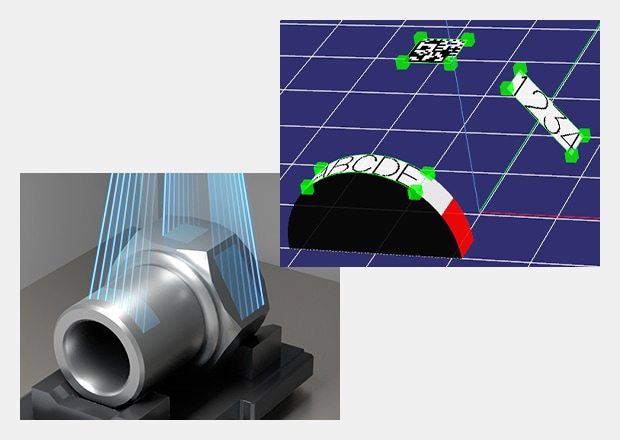
- 3-axis beam control maintains focus on complex parts, curved faces, and stepped surfaces, reducing fixture complexity and rework.
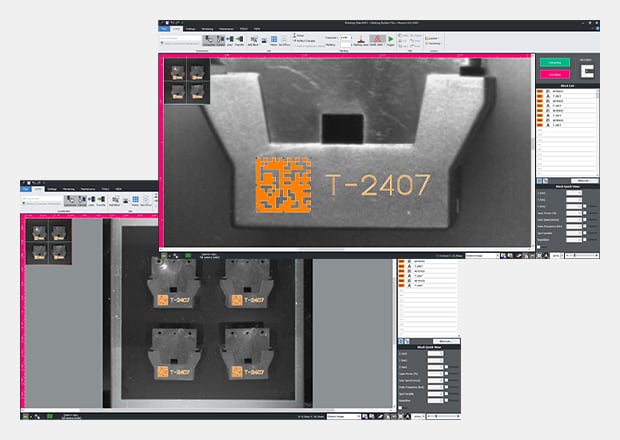
- A built-in camera streamlines alignment and enables fixtureless marking on many parts, so operators can verify placement visually before firing.
- A built-in distance sensor provides autofocus across a high mix of part heights, which is a major time saver during frequent changeovers.
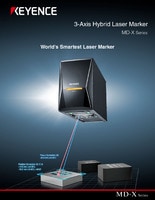
- The Hybrid MD-X2 produces high mark quality on metals and plastics and offers a smaller effective beam than conventional fiber, enabling fine characters and dense DPM.
Application Highlights by Industry
- Automotive: VIN, lot, and process data on gears, brackets, and housings where DPM grade and takt time matter.
- Medical devices: UDI on stainless instruments and implants with strict cleanliness and corrosion goals.
- Aerospace and defense: UID and part history on high-value components that face harsh environments.
- Electronics and semiconductors: small, high-contrast 2D codes on tight surfaces with minimal heat input.
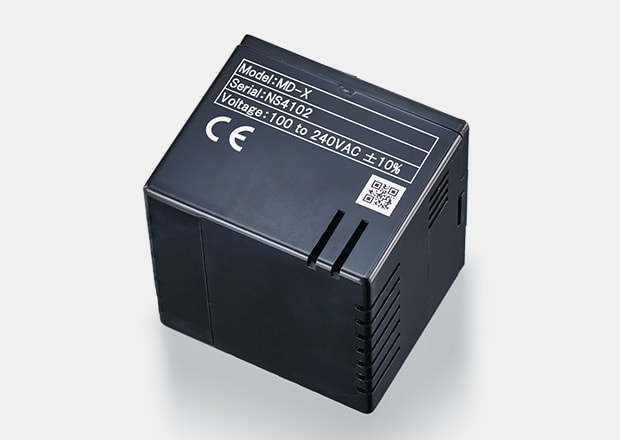
Resin case
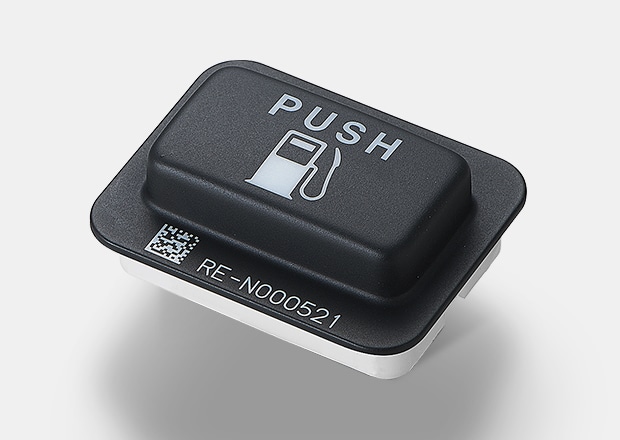
Automotive switch
Laser Marking for Machine Shops
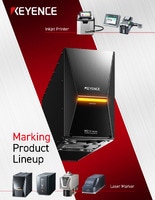
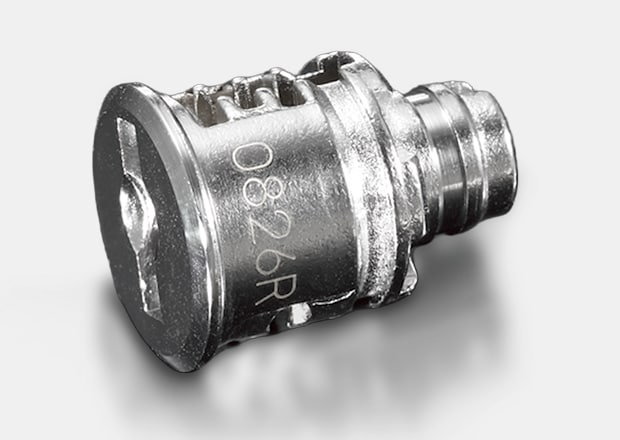
Typical materials include stainless steel, carbon steel, tool steel, aluminum, titanium, and nickel alloys. Most metals are best served by the MD-X Series Hybrid or MD-F Series Fiber models for high quality and ample power. The MD-U Series UV model is better suited for plastics such as ABS, PEEK, PA, PC, and PPS due to its “cold marking” process. Coatings like anodized aluminum and paints can be ablated with industrial laser markers such as the ML-Z Series CO2, achieving contrast by removing the coating rather than altering the substrate. Stainless steel laser engraving & marking machines should control heat input to protect finish and downstream steps.
Guide to Laser Marking Stainless Steel
Laser marking on stainless steel often begins with annealing when corrosion performance is critical, since the mark forms below the surface and can preserve passivation. Light etch or shallow engraving improves abrasion resistance on wear faces and helps scanners on reflective finishes. Prints that call for passivation can follow ASTM A967 after marking, and a brief parameter study usually finds a stable window for both contrast and speed. See this as a concise Guide to Laser Marking Stainless Steel for daily shop use.
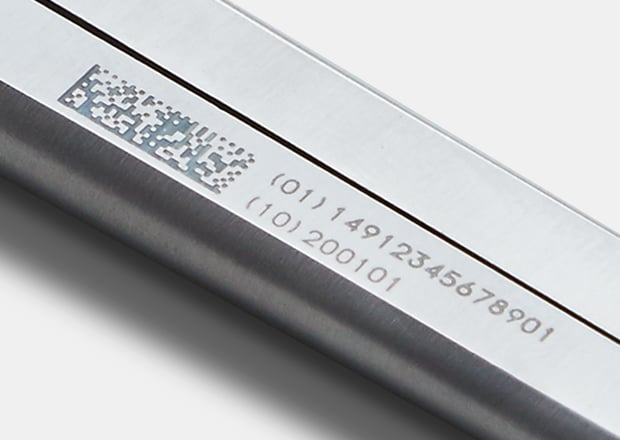
Anneal
Etch
Standards and compliance you may see
- Automotive programs align with IATF 16949 for quality system discipline and traceability.
- Medical devices require FDA UDI formatting and durable, legible marks on validated processes.
- Aerospace and defense drawings often reference DoD MIL-STD-130 for UID requirements.
- DPM symbol quality is verified to ISO/IEC 29158 with documented grades and lighting setups.
Choosing the Right Laser Marking Machine
Fiber or hybrid lasers cover most metals and are a common choice for dense DPM and small text. UV lasers serve many plastics with high contrast and minimal heat, which protects delicate features and edges. CO2 lasers excel on organics, painted layers, and some polymers, making them useful for coated nameplates or housings. Start with material, mark size, verification grade, and takt time, then confirm by sample marking and simple parameter sweeps.
Laser Safety and Integration
An enclosure with interlocks, wavelength-appropriate windows, and well-routed fume extraction offers adequate protection. KEYENCE’s MD-E1 enclosure supports Class 1 operation and integrates safety interlocks, matched viewing windows, and dedicated extraction ports in a compact footprint.
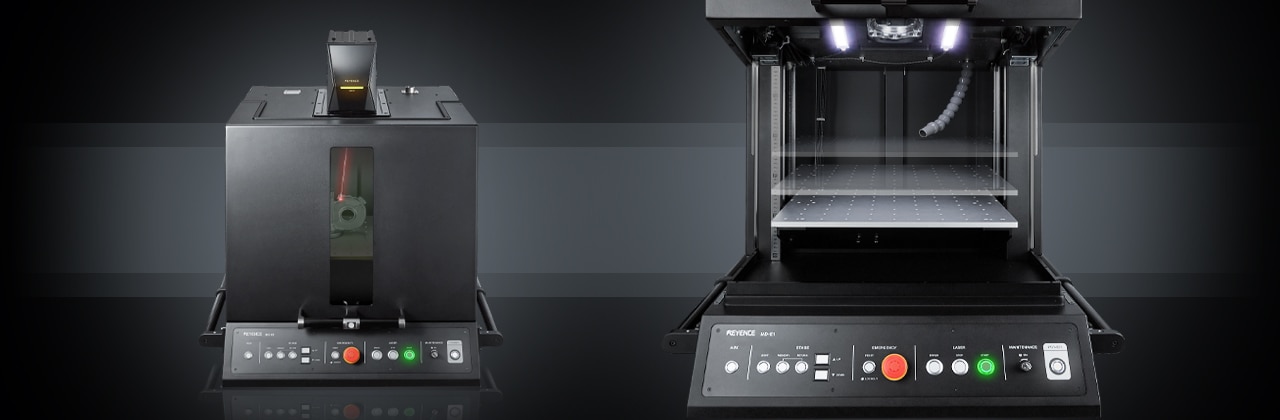
MD-E1
Summary
Laser marking streamlines traceability, improves readability, and shortens lead time while keeping part flow simple. Fiber, hybrid, UV, and CO2 platforms cover metals, plastics, and coatings with predictable results when recipes are locked in. With thoughtful integration, proper extraction, and routine optics care, shops sustain fast cycles and consistent code grades across shifts. Strong direct support and rapid parts availability help new programs launch quickly and stay up.

FAQs
Where Can I Buy a Good Quality Fiber Laser Marking Machine?
A local, technically trained contact is important for rapid sampling and integration help. KEYENCE provides global direct sales, a comprehensive support system, and same-day shipping.
What Materials Can a Laser Marking Machine Mark?
Metals such as stainless steel, carbon steel, tool steel, aluminum, titanium, and nickel alloys are common. Many plastics, including ABS, PEEK, PA, PC, and PPS, can be marked with the right wavelength, and coatings like anodized aluminum or paint respond well to ablation.
How Does a Laser Marking Machine Work?
A focused beam changes the surface by controlled heating, ablation, or photochemical interaction while galvo mirrors steer the spot to draw features. Depth, width, and contrast come from power, speed, frequency, and hatch strategy, which you tune for each material and finish.
How Do We Choose a Laser Engraving Marking Machine?
Match laser type to the base material and desired permanence, then size optics to cover the largest mark without sacrificing small features. Confirm DPM grade, cycle time, and integration requirements through demonstrations.
What Are the Advantages of a Fiber Laser Marking Machine?
Strong performance on metals and many dark plastics, tight beams for small text and dense DPM, and high electrical efficiency with low routine maintenance.

Related Products
Related Downloads
-
MD-F Series 3-Axis Fiber Laser Marker Catalog
KEYENCE's MD-F Series offers unmatched functionality in a compact design.