Industrial Laser Marking Systems / Laser Markers
Laser Marking vs Inkjet: Which System Offers Better ROI?
-
Tags:
- Laser Labeling , Laser Marking , Laser Etching
Key Takeaways
- Evaluate total cost: CAPEX alone misleads; long‑term OPEX (consumables, maintenance) drives ROI.
- CIJ consumables (ink, solvent, filters) and waste handling create recurring, often monthly, expenses.
- Pressure‑sensitive labels add inventory, rework, adhesive failure, and regulatory risks.
- Fiber laser marking boosts throughput and precision versus mechanical methods, reducing scrap.
- Calculate payback by comparing five‑year OPEX; lasers often repay within 18–36 months.
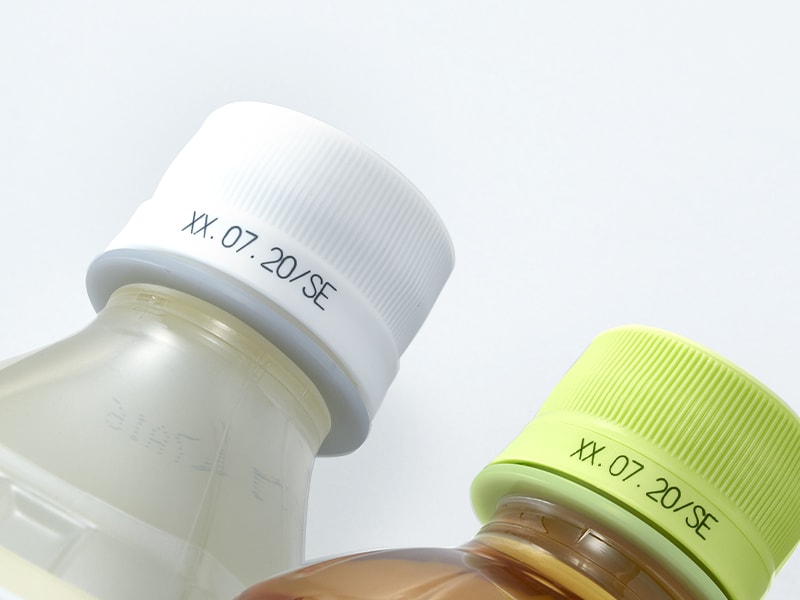
Choosing the right industrial marking technology requires looking beyond the initial purchase price to understand the long-term financial impact on your production line.
The CAPEX vs. OPEX Dilemma in Industrial Marking
When evaluating laser marking vs inkjet ROI, it's important to understand the key differences. The price tag on a marking system tells only part of the story. When evaluating inkjet vs. laser marking systems, the upfront capital expenditure is just the opening bid in a much longer financial conversation.
The real cost of industrial marking isn't what you pay on day one — it's what you keep paying every day after.
This distinction matters because most traditional marking decisions are evaluated on CAPEX alone. A continuous inkjet printer may appear to win on purchase price. But the true measure of value lives in three pillars: throughput, consumables, and maintenance. These factors, taken together, define the real laser marking vs. inkjet ROI — and the math consistently shifts over time.
By eliminating the need for ink, solvents, and specialized labels, laser marking provides a higher long term ROI. Solutions that seem cost effective at first frequently lead to mounting operational expenses over time.

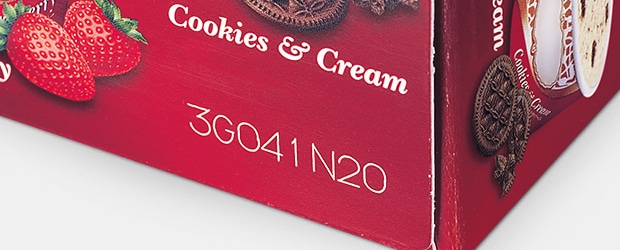
The Consumable Trap: Why Inkjet and Labels Cost More Over Time
When engineers ask whether laser marking is more cost-effective than inkjet, the honest answer lives in the operational budget, not the purchase order. Once the initial system costs are set aside, the recurring expenses of inkjet and label-based marking can quietly erode profitability in ways that rarely show up on a single line item.
Consumables: The Bill That Never Stops
Continuous Inkjet (CIJ) systems depend on a steady supply of ink, make-up solvent, and replacement filters. These aren't optional — they're structural to how the technology operates. In contrast, a laser system's primary energy source is electricity.
Hidden consumable costs in CIJ systems include:
- Ink and solvent replenishment — often monthly or more frequently at high volumes
- Filter and nozzle replacements driven by particulate buildup
- Waste solvent disposal, which may carry regulatory handling fees
- Substrate-specific ink formulations that add SKU complexity to procurement
The "Label Tax": More Than Meets the Eye
Pressure-sensitive labels seem straightforward until you account for everything surrounding them. Label-based identification introduces compounding vulnerabilities across the supply chain.
Overlooked label costs include:
- Label inventory management — warehousing multiple sizes, formats, and adhesive grades
- Application errors and misprints requiring rework or scrapped product
- Adhesive failure in high-heat, chemical-exposure, or high-humidity environments
- Regulatory compliance risk when labels peel or become illegible in the field
Maintenance Downtime: OEE's Silent Killer
Because CIJ systems rely on consumables and frequent maintenance tasks such as print head cleaning and filter replacement, they can introduce unexpected downtime on the production floor. Laser marking systems operate for tens of thousands of hours with minimal maintenance, supporting more consistent uptime and improved OEE.
Maintenance-related cost factors in inkjet systems include:
- Clogged print heads causing line stoppages during peak production
- Solvent handling procedures that require trained personnel and safety protocols
- Environmental compliance costs tied to VOC emissions and chemical storage
The compound effect of consumables, label management, and maintenance downtime builds a compelling financial case — one that becomes even sharper when you start comparing what gets printed versus what gets permanently marked on the product itself.
Is Inkjet or Laser Better for Labels?
The short answer: it depends on what you're marking — and what happens to that mark after it leaves your facility. But for most industrial applications, the comparison reveals a clear operational gap between adhesive labels and direct laser marking.
| Factor | Adhesive Labels | Direct Laser Marking |
|---|---|---|
| Durability | Peels, fades, smears under heat/chemicals | Permanent; survives extreme environments |
| Traceability Risk | Label loss = lost part identity | Mark is part of the substrate |
| Ongoing Cost | Label stock + ink + applicator maintenance | Near-zero after installation |
| Regulatory Compliance | Risk of non-compliance if label degrades | Consistent, auditable mark integrity |
Labels do have a place — mixed-material assemblies or temporary identification are legitimate use cases. However, when parts face harsh environments, labels become a liability, not a solution.
The true cost per mark advantage comes from eliminating consumables altogether. Laser marking uses the product’s own material rather than relying on inks, labels, or other substrates that require continuous replenishment.
Understanding the distinction between approaches — including where laser marking vs laser engraving fits your specific substrate and depth requirements — is equally important when evaluating speed and throughput, which is where the next layer of ROI becomes visible.
Throughput and Precision: Laser Marking vs. Engraving and Etching
Speed and consistency are where mechanical marking methods quietly bleed money — and where the conversation around laser marking vs etching gets genuinely interesting for production engineers.
The Speed Bottleneck in Mechanical Systems
Rotary engraving and dot peen systems share a fundamental limitation: physical contact. Every mark requires a tool to press, rotate, or impact a surface. That means tool wear, periodic changes, and cycle times that simply can't keep pace with high-volume manufacturing lines. Dot peen systems typically require 3–8 seconds per character, while fiber laser systems can mark an entire data matrix code in under a second. At scale, those fractions compound fast.
Manufacturers transitioning from rotary engraving to fiber laser marking often see substantial gains in throughput. These improvements should be carefully considered when modeling production line capacity and efficiency.
Consistency: The Hidden Cost of Manual Depth Control
Mechanical engraving introduces another variable that laser systems eliminate entirely: inconsistent depth control. Operator technique, tool wear, and substrate hardness all influence mark depth. What that means in practice is increased rework, failed quality audits, and scrap — costs that rarely appear in an upfront equipment comparison but accumulate steadily over months.
Precision at Scale
For applications requiring high-resolution 2D Data Matrix codes or micro-text below 1mm, mechanical methods simply can't compete. Laser marking technology enables consistent, highly scannable codes across curved, coated, and hardened surfaces, helping maintain readability throughout the product’s entire lifecycle.
The throughput and precision advantages are compelling on their own. But the full financial picture only comes into focus when you run the actual ROI numbers — which is exactly where we're headed next.
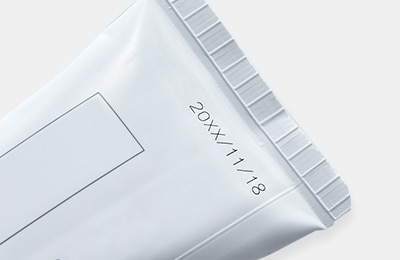
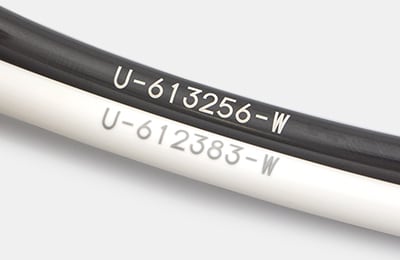
The ROI Math: Calculating the Break-Even Point
Numbers don't lie — and when engineers run a proper total cost of ownership analysis, the case for laser systems becomes difficult to argue against. Here's a practical framework to calculate your actual break-even point.
Step-by-Step TCO Calculation
- Establish CAPEX baseline. Record the full purchase price of the laser system, including installation and initial training.
- Project five-year OPEX. Add annual costs for electricity, occasional lens cleaning, and any service contracts. Laser systems carry minimal consumable costs compared to ink-based alternatives.
- Calculate legacy system OPEX. For inkjet or mechanical methods, total your annual spend on inks, solvents, replacement parts, and — critically — labor hours for cleaning and inventory management.
- Subtract five-year laser OPEX from legacy OPEX. The difference is your annual savings pool.
- Divide CAPEX by annual savings. That figure is your payback period in years.
Labor associated with ink management, compliance requirements, and routine cleaning is rarely captured in capital cost analyses—but it represents real operational expense. When comparing laser marking, engraving, and etching, mechanical methods can amplify these costs due to inconsistent depth control and the need for rework.
The Scrap Factor
Unreadable or non-permanent marks trigger relabeling, rework, or — worst case — regulatory non-compliance. Scrap rates tied to mark failure can quietly erode margins across thousands of units monthly.
In 24/7 production environments, fiber laser systems commonly achieve full payback within 18 to 36 months, after which the savings compound freely. That financial clarity sets the stage for an equally important conversation: how smoothly these systems actually integrate into your line.
Integration and Reliability: Why Engineers Prefer 'Plug and Play' Systems
Complex line setups don't just cost money — they cost engineering hours that could be spent on higher-value work. Every hour a skilled engineer spends troubleshooting an inkjet head, recalibrating a rotary engraver, or managing consumable inventory is an hour not spent on process improvement or product development. That hidden resource drain is one of the most underappreciated arguments in the debate over laser marking vs inkjet printing.
The Setup Problem — and the Solution
In practice, the more components a marking system requires, the more failure points it introduces. Ink systems need fluid management, nozzle cleaning cycles, and environmental controls. Manual engraving setups demand fixture alignment and operator skill every single run. Laser systems, by contrast, are increasingly designed to eliminate that complexity at the source.
User-friendly software and built-in distance pointers make the laser easy to set up and program. Operators can set up marking jobs quickly, with minimal specialized training, which reduces onboarding time and protects production continuity when experienced staff turn over.
Future-Proofing Through Durability
Beyond setup, laser marks deliver long-term reliability that inkjet and manual methods simply can't match. Permanent, chemical-resistant marks support traceability compliance across a product's entire lifecycle — no fading, no peeling, no reapplication. As regulatory requirements around part identification continue to tighten, that durability isn't a feature. It's a requirement. For engineers building systems that need to perform for decades, laser marking is the infrastructure choice that holds up.

![LASER MARKER APPLICATION GUIDE [Food, Packaging, & Cosmetics]](/img/asset/AS_46960_L.jpg)