Industrial Laser Marking Systems / Laser Markers
Laser Marking in the Food Industry
Taking the food packaging industry by storm, laser marking is offering a superior alternative to traditional methods. Through innovative technology, it produces precise, permanent branding on everything from baked goods to flexible packaging, without the drawbacks of ink-based methods. Laser markers offer the food industry a range of benefits, including:
- High-resolution text, graphics, and logos
- Clear marking on nonporous surfaces
- Cost savings from reduced waste or rework due to improved accuracy
- Durability that stands up to harsh conditions like extreme temperatures or exposure to chemicals
In addition, laser markers can be used for serialization, the process of adding unique identifiers to individual packages, which is becoming a common requirement in many countries as part of traceability initiatives. Serializing items helps ensure that all products meet safety standards before they reach consumers. In some cases, this serialization must be applied directly onto the product packaging itself, which makes laser markers even more desirable because they can mark on an immense range of materials and often without damaging it or changing its characteristics.
Another advantage of laser marking for packaging and food is the flexibility when it comes to labeling requirements. With a simple software adjustment, you can easily switch between different codes (e.g., expiration dates or batch numbers) or change the size or font of your labels without having to buy additional equipment. Laser marker software also allows you to adjust the power settings depending on your application needs. This ensures that your labels are durable yet easy to read, even if they’re exposed to environmental conditions like sunlight or moisture.

Food packing film
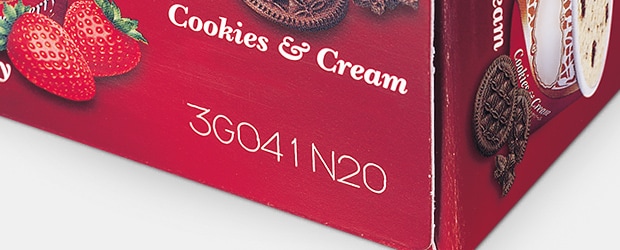
Cartons
Why Laser Marking Is Ideal for Food Packaging
As regulations and consumer demands become more strict, and rightfully so, laser marking for the food packaging market is more important than ever. The industry is currently shifting toward enhanced traceability standards, most notably FSMA 204 (Food Safety Modernization Act). This regulation establishes the 'gold standard' for traceability by requiring additional recordkeeping for foods on the Food Traceability List (FTL), necessitating the precise, permanent, and machine-readable data that laser systems provide.
Although manual marking systems remain in use, many cannot deliver the operational efficiency or data integrity required to meet these modern demands.
By integrating laser marking into food packaging, manufacturers can deliver consistent labeling that can’t be modified or erased. Moreover, the non-contact approach of laser-engraved food packaging means no harmful substances are produced in the process. This helps to guarantee consumer health and remain aligned with current regulations.
Beyond compliance and consumer safety, laser marking also helps combat food fraud by providing permanent, high-precision markings that verify product authenticity. This added layer of security ensures that brands can maintain trust while protecting their supply chains from counterfeit goods.
Common Applications of Laser Marking in Food Packaging
Safeguarding our food supply is paramount, and laser marking has become critical for tracking products and ensuring brand trust. You'll commonly see it used to print expiration dates and batch codes right on food packages. Markings that do not fade or wash away help food companies meet safety requirements and provide shoppers with reliable information for making safe choices.
QR codes and barcodes are also frequently applied using laser marking, allowing seamless tracking throughout the supply chain. Scannable codes make inventory tracking a breeze, cutting down on mistakes throughout the supply chain. They create a window of transparency that benefits everyone—retailers can efficiently manage stock and trace products, while consumers can learn exactly where their food comes from and how it traveled to reach their hands.
To combat product tampering and counterfeit goods, businesses are laser marking food packaging to create unique security features. These include tamper-evident seals and distinctive anti-counterfeiting marks that are nearly impossible to replicate. As a result, brands can shield themselves from counterfeiters. This practice also builds consumer trust and helps companies adhere to strict industry regulations.
Additionally, laser technology enables high-quality branding and logo marking on various food packaging materials. Whether engraving directly onto glass, metal, or flexible packaging films, laser-marked designs ensure a professional, durable finish that enhances product presentation while resisting fading or smudging.

Plastic bottle caps
Material : PP
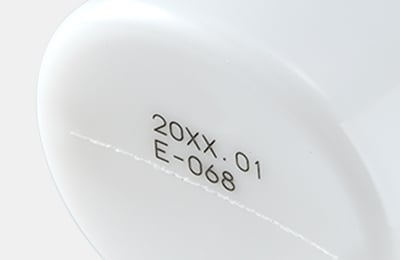
Plastic bottles
Material : HDPE
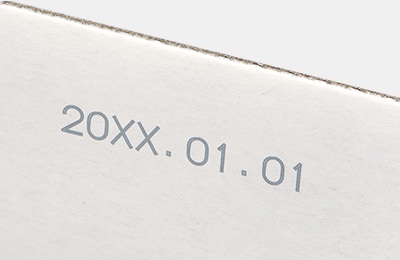
Cartons
Material : Paper
Natural Branding for Produce
Beyond traditional packaging, laser technology is revolutionizing how we label fresh produce through natural branding. This process involves laser marking directly onto the skin of fruits and vegetables—such as avocados, citrus, or sweet potatoes—to create permanent logos or PLU codes. By engraving the surface without damaging the fruit inside, companies can eliminate the need for plastic stickers and adhesives, significantly reducing plastic waste and supporting eco-friendly packaging initiatives.
Advantages of Laser Marking Over Traditional Food Packaging Marking Methods
The conversation surrounding the advantages of laser marking compared to traditional methods is complex. To help summarize the most important details, the table below provides direct comparisons between these processes.
| Comparison | Laser Marking | Traditional Printing (Inkjet, Stamping, etc.) |
|---|---|---|
|
Comparison
Durability
|
Laser Marking
Resistant to fading, smudging, or environmental wear.
|
Traditional Printing (Inkjet, Stamping, etc.)
Ink can fade, smudge, or rub off.
|
|
Comparison
Eco-Friendly
|
Laser Marking
No ink, chemicals, or consumables needed.
|
Traditional Printing (Inkjet, Stamping, etc.)
Requires inks, solvents, and frequent replacements.
|
|
Comparison
Cost Efficiency
|
Laser Marking
Higher initial cost, but maintenance-free operation and high uptime with no consumable costs.
|
Traditional Printing (Inkjet, Stamping, etc.)
Lower initial cost, but ongoing costs for ink and labels; requires frequent maintenance downtime.
|
|
Comparison
Speed and Accuracy
|
Laser Marking
High-speed, precise, automated marking.
|
Traditional Printing (Inkjet, Stamping, etc.)
Higher speed lines, but accuracy and quality are lower.
|
It is evident that industrial laser marking for food packaging products will inevitably be more reliant than traditional marking. While traditional methods often have lower upfront prices, decision-makers are increasingly prioritizing the Total Cost of Ownership (TCO). Laser systems offer a much lower TCO over time because they eliminate the recurring expenses of inks and solvents while requiring minimal maintenance. This shift in preference is further supported by the fact that laser marking systems are compatible with a wide range of substrates—including plastics, glass, and flexible films—allowing manufacturers to choose from several unique designs.
Best Laser Marking Technologies for Food Packaging
The food packaging industry uses several laser marking food technologies, each perfectly matched to specific materials:
For paper packaging, cardboard boxes, and labels, CO2 laser marking is the go-to choice. They create sharp, bold markings without needing any inks or chemicals – saving money while being kinder to the environment.
When it comes to metal cans and aluminum foil packaging, fiber laser marking shines. They create permanent marks that won't corrode or fade, ensuring that important details like "use by" dates and batch codes stay readable no matter what conditions the package faces.
For plastic bottles and PET containers used for drinks and liquid foods, UV laser marking works extremely well. These systems utilize cold marking, a technical process that uses high-energy photons to break chemical bonds in the material surface rather than using heat. Because they run much cooler than other lasers, they protect delicate materials from heat damage while still creating clear, high-contrast, precise markings that stand out to consumers.
Implementing Laser Technology for Food Products
Integrating laser systems into an existing food production line requires a strategic approach beyond simply replacing old hardware. To ensure a seamless transition, manufacturers must focus on these critical technical areas:
Substrate Validation: Before full-scale implementation, it is essential to test how specific packaging materials (such as PET, thin-film plastics, or glass) react to different laser wavelengths. This ensures the mark is high-contrast and legible without compromising the structural integrity or barrier properties of the packaging.
Line Speed Synchronization: Laser markers must be calibrated to match the conveyor’s velocity. For high-volume food processing, 'marking-on-the-fly' technology is necessary to maintain throughput without causing distorted or blurred codes.
Data and Software Integration: To meet FSMA 204 traceability requirements mentioned earlier, the laser system must communicate directly with the facility’s ERP or MES software. This allows for the automated generation of unique serial numbers and real-time batch data.
Hygiene and Safety Standards: In food environments, laser equipment must often meet IP69K ratings to withstand rigorous washdown procedures. Additionally, Class 1 enclosures are required to protect operators from laser radiation while maintaining an open, efficient workflow.
Direct Part Marking in the Food Industry
The food industry is facing a critical challenge as the regulations for labeling consumer products continue to become more stringent. In addition to traditional markings such as expiration date, place of origin, ingredients, and distribution codes, manufacturers now need to serialize every package sent out to comply with regulatory authorities. This has created a surge in demand for FDA-compliant, multi-purpose laser markers and food-grade direct part marking for laser-engraving food packaging.
Here are just a few common parts that are marked due to the laser’s cost and efficiency:
Drink bottles
Because laser markers do not puncture PET plastic drink bottles, adding markings has become less costly for manufacturers.
Cartons
As food packages require expiration dates, barcodes, and other important information, laser markers have facilitated the process by removing paint directly from the carton itself.
Laser markers will continue to provide food manufacturers with an efficient way to meet new labeling regulations. The correct laser marking machines will also reduce the costs associated with waste and rework due to inaccurate labeling. With their flexibility and ability to mark on any surface without damaging it, laser markers make it easy for manufacturers to produce high-quality products that meet safety standards while still meeting customer demands quickly and accurately.
With so many advantages over traditional methods of marking products, it’s evident why so many manufacturers are turning towards this technology as an efficient solution for their food manufacturing processes. If you have any pressing questions about laser marking for the food industry, contact us for all the expert guidance you might need.

FAQs About Laser Marking for Food Industry
What Are the Different Types of Laser Marking Applications for Food Packaging?
Laser markers are often used to mark lot and date codes, expiration dates, logos and graphics, and 1D/2D codes.
What Is Driving the Increase of Laser Marking in the Food Industry?
Despite sometimes higher entry costs for laser markers, the lack of consumables, maintenance, and downtime compared to standard marking methods have led to lucrative ROI opportunities.
Can You Laser Mark Food?
Yes, foods can be laser marked, however, the industry standard is laser marking the packaging. New applications for laser marking are found every day, please contact your local KEYENCE representative if you would like to test an application.

Related Products
Related Downloads
-
Resin/Plastic Laser Marking Techniques Application Guide
Choosing the right laser marker wavelength is extremely important for plastic marking. Learn what lasers work best for marking, processing, and coloring plastic in this guide.
![UV Laser Marker Application Guide [High Contrast Marking]](/img/asset/AS_95184_L.jpg)