Static Control
Static Control Solutions for the Resin & Film with Ionizers Industry
In resin and film production, static electricity presents significant challenges that can affect both the quality of the final product and the efficiency of the production process. As materials (such as polyethylene and polyester) pass through high-speed production lines, static naturally accumulates due to friction and material separation. This can result in a variety of issues, including material misalignment, dust attraction, and misfeeds. Applying effective static control in resin and film solutions, such as ionizers for film, offers a reliable way to neutralize these charges and keep production running smoothly.

How Static Impacts Resin and Film Production
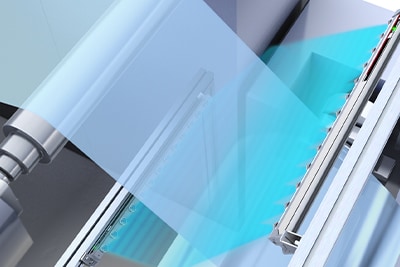
Static electricity has a profound impact on resin and film production. During processes like extrusion, slitting, and winding, static build-up can lead to a variety of issues, including material contamination and misalignment. Dust attraction is a common issue where static attracts airborne particles to the surface of the film.
In industries such as food packaging or medical device manufacturing, even the smallest particle can compromise product quality. One effective solution to address these challenges is the application of static ionizer applications, which help neutralize static charges on the material.
Moreover, misalignment and misfeeds are recurring problems in film extrusion and slitting due to static charges. As the film adheres to cutting blades or rollers, the material fails to pass smoothly through the machinery. Electrostatic solutions, like those provided by ionizers for film, help reduce overall production delays and wasted materials.
Problems Caused by Static Electricity and Improvement Examples
Why Resin and Film Are Prone to Static Charges
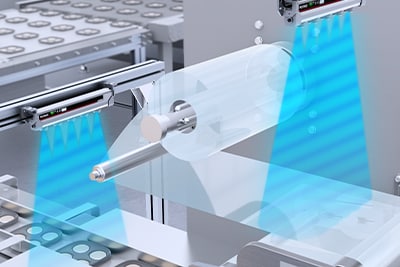
Resin and film materials like polyethylene and polyester are highly susceptible to static electricity due to their low conductivity. These materials exhibit high surface resistance. This means that electrons generated by friction or material separation during production struggle to dissipate even with otherwise effective electrostatic solutions. As a result, static charges accumulate on the material's surface, which can disrupt production and lead to quality defects.
Environmental factors significantly contribute to static build-up. In particular, low humidity exacerbates the issue. Moisture naturally helps dissipate static charges. In dry environments (such as climate-controlled production areas or during colder months), static is more likely to accumulate. This is why static-related disruptions are more common during these times, as they contribute heavily to common issues.
For example, polyethylene films (which are commonly used in packaging) are prone to attracting negative charges, making them particularly susceptible to static-related issues, such as material clinging to machinery and attracting dust. However, when using static electricity removal solutions, manufacturers can neutralize these static charges and prevent disruptions in the process. This is especially important in cleanroom industries like food packaging or pharmaceuticals, where even minor static disruptions can compromise the quality of the final product.
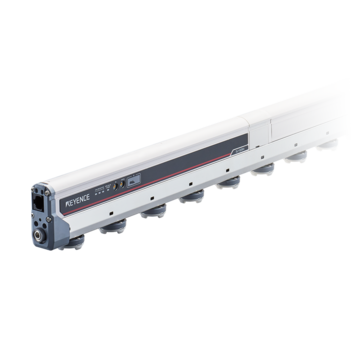
Understanding the unique properties of resin and film materials, combined with environmental factors, helps manufacturers implement better static control for resin and film solutions, such as the KEYENCE SJ-Q ionizers used for static electricity removal, to mitigate these issues and maintain smooth production lines.
Common Static-Related Defects in Film Extrusion and Slitting
During film extrusion and slitting, static-related defects disrupt production and cause delays. One of the most common issues that can be fixed by static electricity removal is film sticking to blades or rollers, which causes misaligned cuts and improper material feeding. This leads to material waste and delays. In some cases, static causes film jams, forcing operators to stop the line and resolve the issue, which further slows production and increases downtime.
Operator shocks are another frequent issue in static-heavy environments. When workers come into contact with charged surfaces or equipment, the higher voltage on the equipment transfers itself through to the operator's body, causing discomfort or (if the shock is very strong) temporary disorientation.
Another common issue is dust attraction: as static charges accumulate on the film, they draw in dust and other airborne particles. This is particularly problematic in environments that require strict cleanliness, where even the smallest particle of dust can affect product quality. Any defect can lead to production delays that add unnecessary costs.
Upgrade Your Film Line with Advanced Static Control!