CMM (Coordinate Measuring Machine)
Dimensional Inspection for Grinding
Key Takeaways
- Dimensional inspection in grinding verifies tight tolerances and detects dimensional drift caused by wheel wear.
- Mitigate thermal effects in grinding by allowing parts to cool or using temperature compensation for accuracy.
- Automated optical inspection offers fast, non-contact measurements, preventing surface damage on ground parts.
- Portable CMMs enable on-machine inspection for large parts, reducing downtime and allowing quick adjustments.
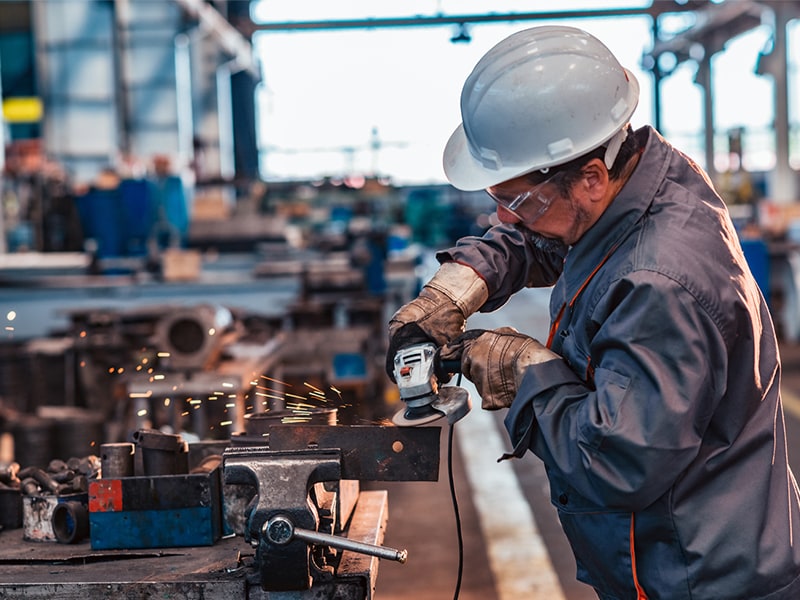
Grinding uses abrasive action to create smooth surface finishes and achieve highly precise dimensions. This process is used for both heavy material removal and final finishing operations with tolerances down to the micron level. Dimensional inspection in grinding ensures the process meets intended specifications without creating out-of-tolerance features or surface defects.
The grinding process generates heat, applies high forces, and removes material differently than traditional cutting processes, making accurate dimensional verification especially important.
Understanding the Grinding Process
Grinding uses abrasive particles bonded to wheels, belts, or stones that rotate at high speeds to remove material from a workpiece. Each abrasive particle acts like a tiny cutting tool, removing small amounts of material during contact. This process allows manufacturers to achieve excellent surface finishes and highly precise tolerances that are often difficult to consistently produce with traditional machining methods.
Different grinding methods are used depending on the shape of the part. Surface grinding is used to create flat surfaces on rectangular components. Cylindrical grinding shapes the outside diameters of shafts and pins, while internal grinding finishes bores and holes from the inside. Centerless grinding supports round parts between two wheels, eliminating the need for a spindle or fixture.
Depending on the features being completed, each method requires a different inspection strategy. Generally, grinding measurement tools range from manual room grinders to fully automated production systems.
The Importance of Dimensional Inspection on Grinding Parts
Ground components are often used in assemblies where precise dimensions are critical for proper fit and function. Bearing races require accurate diameter control to prevent binding during operation, while valve stems need tight tolerances to maintain proper sealing. Even gage blocks used as dimensional standards must meet specifications measured in millionths of an inch. Inspection verifies that the grinding process achieved the required level of accuracy.
Thermal effects during grinding cause parts to expand, then contract as they cool. Measuring parts immediately after grinding can show dimensions within tolerance that later drift out of spec as the part reaches ambient temperature. Precision grinding measurements account for thermal stabilization by either allowing cooling time or compensating for predicted dimensional change.
Wheel wear gradually changes the grinding performance. A fresh wheel cuts aggressively but might produce rougher finishes. As the wheel wears, it dulls and generates more heat while removing material more slowly. Dimensional inspection detects when wheel condition affects output quality, prompting dressing or replacement before problems multiply.
Grinding Applications
Automotive manufacturers commonly grind components such as crankshafts, camshafts, transmission gears, and fuel injection parts. Since these components operate under high speeds and heavy loads, dimensional accuracy directly affects performance and durability. In aerospace applications, ground components such as turbine blades, landing gear parts, and hydraulic systems require extremely tight tolerances because reliability and safety are critical.
Tool and die shops rely on grinding for cutting tools, stamping dies, and mold inserts that require both precise dimensions and exceptional surface finishes. Medical device manufacturers also use grinding for surgical instruments, implant components, and precision mechanisms where tight tolerances and accuracy are critical to performance and patient safety.
High-volume automotive lines demand fast automated inspection matching production speed, while medical components need both speed and precision with full traceability.
Optimizing Grinding Efficiency with Automated Inspection Solutions
Automated grinding inspection helps eliminate bottlenecks caused by manual measurement processes. Image-based measurement systems can capture multiple dimensions simultaneously in just seconds, improving inspection speed and efficiency. Optical inspection is especially useful for smaller ground components such as pins, bushings, and tool parts because non-contact measurement prevents surface damage during inspection.
The IM-X1000 Series handles rounded ground parts effectively. Automated edge detection finds profiles regardless of orientation, measuring diameters, radii, and angles without fixtures. This flexibility cuts changeover time when switching between part types.
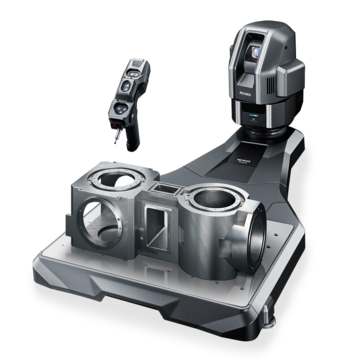
For larger ground components like machine ways or bearing housings, portable systems like the WM Series bring measurement directly to the grinding machine. Operators verify dimensions without moving heavy parts to separate inspection areas, catching dimensional drift before completing entire batches.
Complex ground features require coordinate measurement beyond traditional optical capabilities. The WM Series combines tactile probing with fast scanning for comprehensive inspection. Contour grinding applications benefit from verifying profiles that match CAD models across entire surfaces.
Inspection grinding tools must match the application's precision requirements. If real-time corrections are needed, the systems can send the measurement data feedback to grinding machine controls automatically, adjusting wheel position or parameters to maintain dimensions as conditions shift. This prevents dimensional drift rather than catching problems afterward.
Explore KEYENCE's solutions for dimensional inspection for grinding applications. Contact us for more information or to schedule a demo.
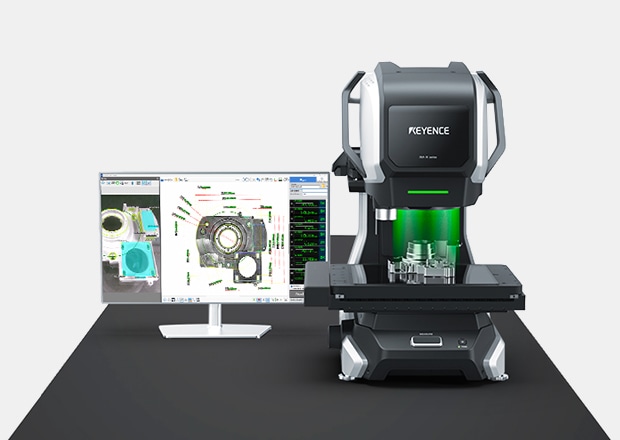
IM-X Series
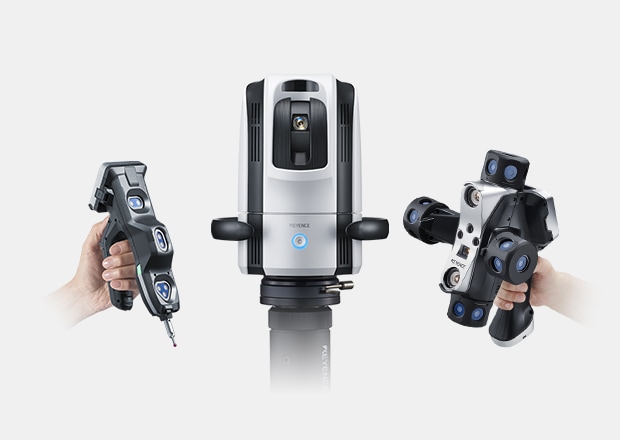
WM-6000 Series

Frequently Asked Questions
How does KEYENCE improve grinding precision with its metrology products?
KEYENCE systems deliver rapid dimensional verification that enables immediate process adjustments, eliminating human measurement error while maintaining consistent results across all operators and shifts.
What types of grinding processes benefit from KEYENCE's systems?
All grinding methods gain advantages, including surface, cylindrical, centerless, and contour operations, with high-volume production benefiting from fast cycles and precision work, achieving tighter tolerances through real-time feedback.
What are the benefits of automating grinding inspection?
Automation increases throughput by measuring multiple dimensions in seconds, eliminating operator variation, catching drift before creating scrap, and enabling statistical analysis while reducing labor costs.
How do KEYENCE's 3D measurement tools aid in grinding applications?
Three-dimensional systems verify complex contoured surfaces and profile accuracy that 2D inspection cannot evaluate, while portable options measure large components in place without relocation.

Related Products
Related Downloads
-
XM Series Handheld Probe Coordinate Measuring Machine Catalog
Brochure for the XM-5000 Series Handheld CMM. Portable CMM to easily and accurately measure 3D and GD&T features anywhere including the shop floor and in the machine tool.
-

3 Reasons People Select the XM Series as Their First CMM
Overcome inspections obstacles including common challenges with conventional handheld measurement tools and see why manufacturers choose the XM Series Handheld CMM as their first coordinate measuring machine.