CMM (Coordinate Measuring Machine)
Optimizing the Measurement Environment for Precision
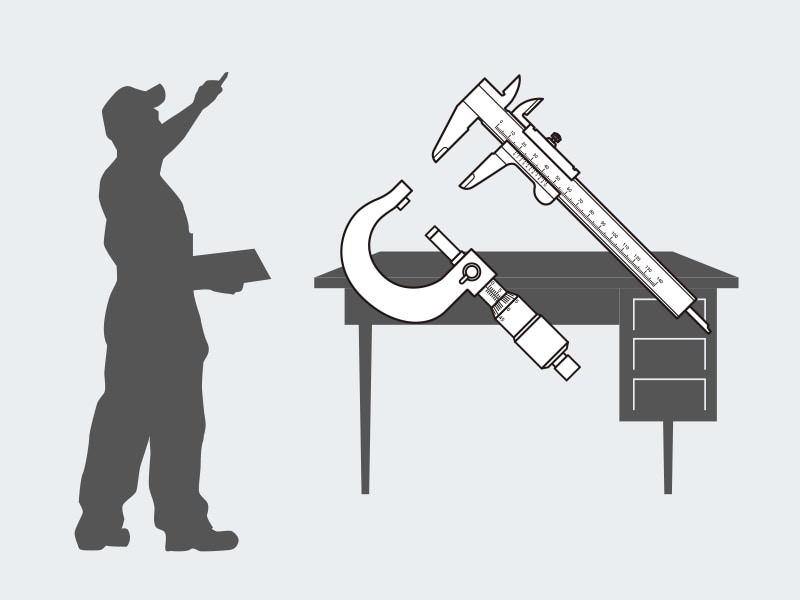
Variations in the environment can affect measurement results. For example, a temperature change can cause deformation in the materials, and dust and particles in the air can produce friction in the moving parts of the measuring instrument. This section introduces the environmental requirements for performing measurements.
Why Your Measurement Environment Matters for Accuracy
Most operators don't realize how much their surroundings affect measurement results. Temperature shifts, humidity changes, and even nearby vibrations can make perfectly good parts look defective on paper.
For example, a part measured at 68°F will show different dimensions than the same part at 75°F. Materials expand and contract based on heat, but when you're trying to hit tight tolerances, those thermal changes can throw off your entire quality control process.
When inspection data doesn't match what you're seeing on the production floor, the problem is often environmental rather than manufacturing-related. Humidity also affects certain materials more than others. Vibration from nearby equipment adds noise to your readings, and even lighting can impact optical measurement systems. Recognizing these influences is the first step to controlling them.
KEYENCE Solutions to Optimize Your Measurement Environment
Modern measurement solutions account for environmental challenges through smart design. KEYENCE coordinate measuring machines use compensation algorithms that automatically adjust for temperature variations. Instead of needing a climate-controlled lab, these systems work in real shop floor conditions.
Non-contact optical systems solve several environmental problems at once. No physical contact means less risk of airborne particles causing friction. Temperature differences between the tool and the part don't transfer through contact points. The speed advantage helps too, as faster measurements mean less time for temperature drift to affect results.
Controlling Environmental Factors for Better Measurements
Temperature control is more than setting a thermostat. Even when the average room temperature is stable, hot and cold spots create problems. Components near exterior walls experience different temperatures from parts in the room's center. Measurement systems under AC vents see rapid temperature swings.
For accuracy, let parts reach thermal equilibrium before measuring them. A part fresh from machining or outdoor storage needs time to stabilize. The part's size, composition, and temperature change all affect how long it takes. If you skip this stage, you'll make mistakes that are impossible to correct with meticulous skill. Temperature-controlled enclosures offer stability that open shop floors cannot match for extremely tight tolerances.
Cleanliness requirements depend on what you're measuring and your tolerances. Optical systems need clean surfaces, as dirt shows up as dimensional features. Touch probes can sometimes handle light contamination, though chips and oils still cause issues. Clean both your parts and equipment regularly to ensure your cleaning method won't damage the surface finish you're verifying.
How KEYENCE Enhances Accuracy with Innovative Technologies
Systems with self-diagnostics and automated adjustment make instrument maintenance for precision easier. Conventional coordinate measuring devices need to be manually calibrated, often using reference standards. The procedure takes time and requires knowledgeable operators who are familiar with metrology concepts. By maintaining accuracy for longer periods of time between calibrations, newer technologies lessen this strain.
KEYENCE systems cut maintenance time through self-diagnostics and automated compensation. While traditional CMMs need frequent manual calibration by trained specialists, KEYENCE technology maintains accuracy longer between calibrations, cutting downtime and labor costs.
The XM Series offers a compact design that minimizes thermal mass for rapid temperature stabilization. Friction and maintenance are decreased when there are fewer moving parts. Even environmental changes are automatically adjusted for by integrated compensation. These capabilities enable lab-grade precision measurement in production environments without controlled conditions, without the infrastructure expenditure needed by traditional metrology.
Real-World Examples of Measurement Environments Using KEYENCE
Automotive suppliers face challenging conditions on production floors that run 24/7 with limited climate control. Heat from machining operations and airborne oil mist create a harsh environment, yet parts still require verification to hundredths of a millimeter.
KEYENCE systems use protective enclosures against contamination, thermal compensation that adapts to current temperature rather than demanding constant 68°F, and rugged construction that withstands production floor vibration.
Manufacturers of medical devices operate in clean rooms where certain factors are eliminated while others are introduced. Equipment must endure regular washdowns with potent chemicals, and operators wearing gloves and protective gear handle parts differently. These particular environmental requirements are taken into consideration when designing KEYENCE systems.
From 24/7 production lines to regulated clean rooms, KEYENCE systems keep measurements stable. Optimize your inspection process in any environment with KEYENCE today.

FAQs
How does the environment affect measurement accuracy?
Temperature changes cause materals to expand or contract, creating dimensional variations that have nothing to do with how the part was made. Dust and particles add friction to moving parts. Contamination on surfaces shows up as false dimensional readings in your data.
What environmental factors should I control for better precision?
Focus on temperature stability, cleanliness, vibration isolation, and humidity control. The biggest quick win is letting parts reach thermal equilibrium with your measuring equipment before taking readings. This single change improves consistency significantly.
How do KEYENCE systems adapt to different environments?
KEYENCE systems frequently employ non-contact techniques that are less susceptible to contamination, employ automatic temperature correction, and require less frequent calibration due to limited moving parts. Accurate measurements may be obtained in production settings without the requirement for lab conditions, thanks to features like temperature compensation, safe enclosures, and compact construction.

Related Products
Related Downloads
-
WM-6000 series Wide Area CMM Catalog
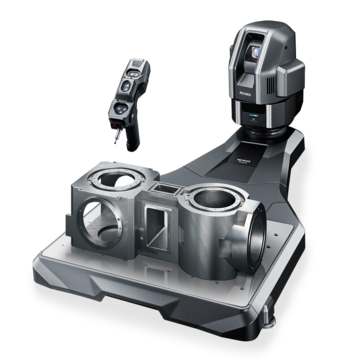
Brochure for the WM-6000 series Wide-Area CMM. A portable setup with a wireless handheld probe that enables users measure large parts and equipment.