Continuous Inkjet Printers / Case Coder
Continuous Inkjet Printer Price: How It Compares in Total Operating Cost
Key Takeaways
- Evaluate continuous inkjet printer price using total cost of ownership, factoring in consumables and downtime.
- High-speed CIJ printers offset higher initial hardware costs by significantly reducing labor and running costs.
- Non-contact CIJ technology enables fast variable data printing on diverse substrates like curved containers.
- Compared to laser and TIJ, CIJ provides superior substrate compatibility and long-term operational reliability.
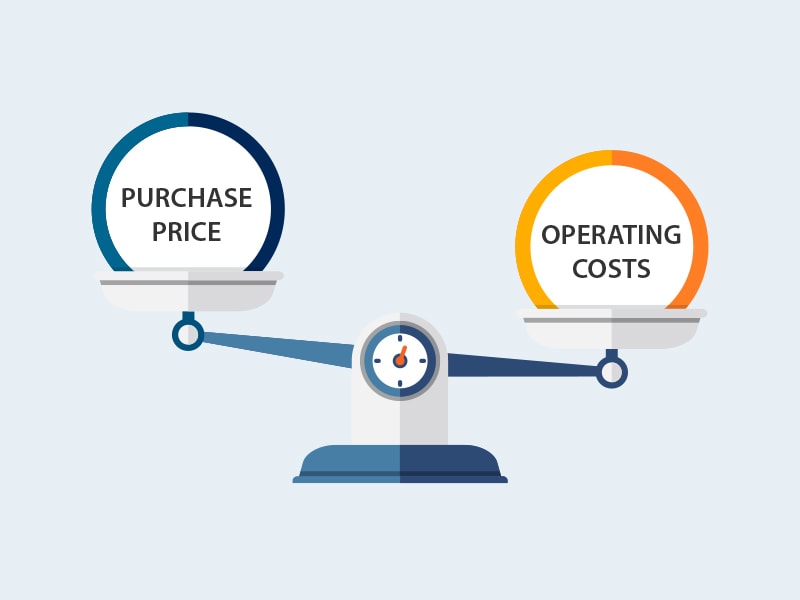
When looking to buy an industrial marking solution, evaluating the price of a continuous inkjet printer (CIJ) requires looking at more than just the equipment. Industrial coding systems operate on production lines where uptime and reliability influence long-term operating expenses. Because of this, the industrial inkjet printer price is usually considered alongside daily production performance rather than the hardware cost alone.
CIJ printers are widely used for coding production as they move through manufacturing lines and production environments. Materials like bottles, cans, packing films, cartons, and metal parts often require numerous pieces of variable data like expiration dates and lot numbers. Printers marking products at line speed integrate into the workflow. Manufacturers should review the total cost of ownership, not just the purchase price, for inkjet printers.
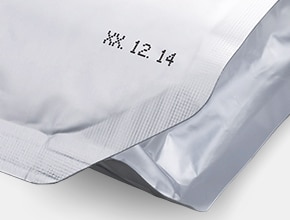
When printing expiration dates and lot numbers on cans or packages, the following devices are the go-to options.
- Stampers (Handheld stamps)
- Handheld labeler
- Thermal printer
- Hot printer
- Continuous inkjet printer
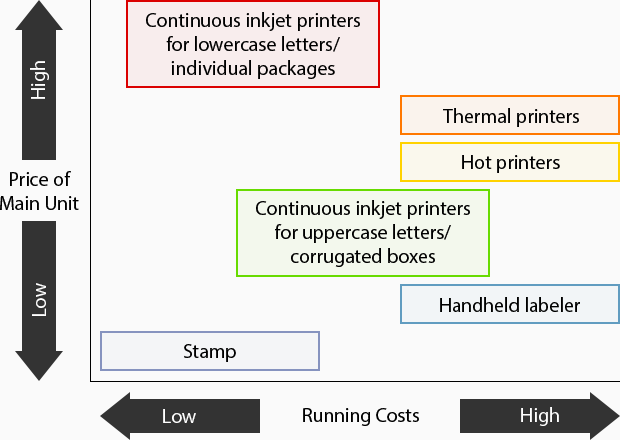
The table below compares the prices for each of the above options against printing speed and running costs.
Point 1: Printing Speed
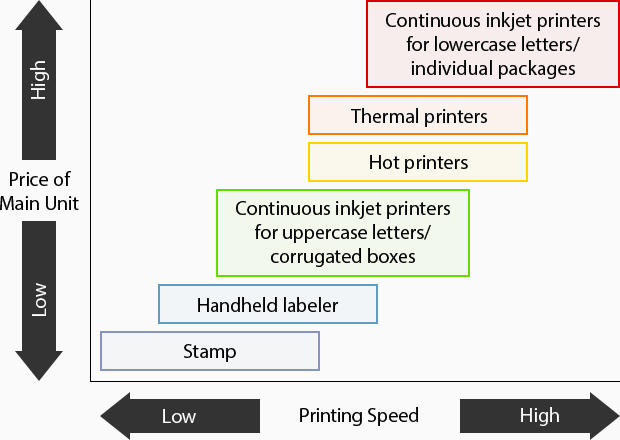
Printing speed and price of main unit
In general, the price of printers, including continuous inkjet type is higher than semi-manual marking devices like handheld stamps or handheld labelers. However, the printing speed of a printer is much faster, which allows a substantial increase in manufacturing throughput. This explains why the price of a printer is higher, as the price increases relative to the printing speed.
Advantages of high-speed printing
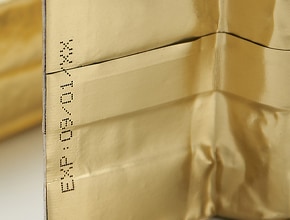
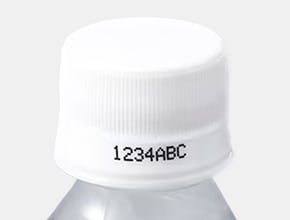
One of the main advantages of using a continuous inkjet printer is the capability to perform high-speed printing. Expiration dates and lot numbers can be printed on at least 1,000 cans or packages per minute. In addition, using fast-drying ink with a continuous inkjet printer prevents printing flaws or blurring due to contact with wet ink.

Point 2: Running Costs
Running costs and price of main unit
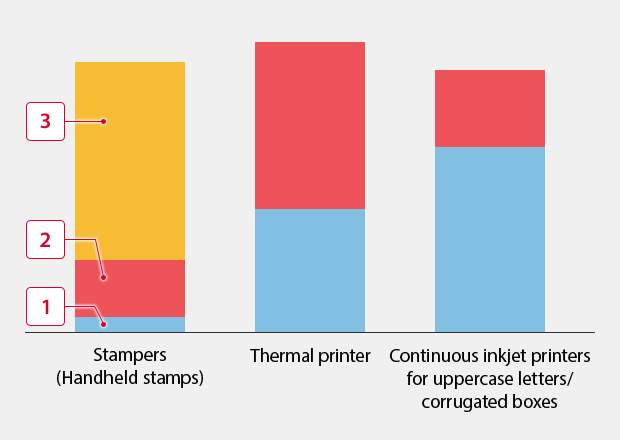
This graph compares the main unit price with the cost of expendable items (running cost) generated during printing.
Running costs and price of main unit
Comparing total costs
It's quite common that the running cost of the printer far exceeds the price of the unit itself. This is particularly true for handheld stamps and handheld labelers. For thermal printers, the ink ribbons are expensive, which increases the running cost ratio. On the other hand, the price of a continuous inkjet printer is higher, but it offers excellent overall cost performance from lower labor and running costs.
-
1Price of main unit
-
2Running costs
-
3Labor cost
Continuous Inkjet Printer Price vs. Other Coding Technologies
Manufacturers comparing marking technologies often review the continuous inkjet printer price alongside alternatives such as laser or thermal inkjet systems. Each technological approach marks products differently, which also has an effect on how companies evaluate their potential addition.
CIJ printers, like the MK-G Series by KEYENCE, operate by spraying small droplets of fast-drying ink onto a product’s surfaces without ever coming into contact with the substrate. This allows codes to be printed on curved containers, flexible films, and other uneven substrates while products remain in motion.
Laser coders mark packaging by altering the surface of the material using heat, removing fluid consumables from the process. However, the equipment investment can be higher based on the application.
Thermal inkjet printers (TIJ) rely on cartridge-based printing systems that can simplify some maintenance tasks. However, with cartridge replacement cycles and how limited TIJ can be on printable substrates, some limitations influence how manufacturers compare the CIJ printer cost with other marking technologies.
Understanding CIJ Printer Cost in Daily Operation
Production conditions strongly influence the discussion around the continuous inkjet printer price. CIJ printers are designed to operate while products travel along conveyors or packaging equipment.
One advantage of CIJ technology is how it can be programmed to handle variable data (date codes, lot numbers, and other identifiers) printing. Non-contact printing also allows markings to be made across materials, everything from glass containers to bottles, and coated metal parts to flexible films.
Continuous Inkjet Printer Cost Breakdown: Consumables, Maintenance & Downtime
A realistic continuous inkjet printer cost breakdown includes several factors that go beyond the initial purchase price:
- Consumables: CIJ systems rely on inks and solvents, which contribute to the overall continuous inkjet printer price discussion.
- Maintenance: Earlier CIJ platforms required technician services for troubleshooting, and many modern systems include diagnostics and guided maintenance tools.
- Downtime: Other than for maintenance, production interruptions can affect the overall cost of ownership for the inkjet printer system being introduced to a facility. Whether equipment stops working or production lines slow down while repairs are made, this data must also be factored into the overall CIJ printer cost assessment.
Industrial Inkjet Printer Price vs. Laser & Thermal Alternatives
The industrial inkjet printer price conversation often expands into comparisons with other marking technologies. Laser systems remove the consumables, but have higher equipment costs and different installation requirements. TIJ printers have considerable consumable costs, but simpler maintenance.
CIJ printers are widely used because they combine high-speed operations with broad substrate compatibility. When packaging formats vary or there are continuous production runs, these capabilities can impact how manufacturers interpret the continuous inkjet printer price with their equipment strategy.
Why CIJ Offers Competitive Total Cost of Ownership
When evaluating the continuous inkjet printer price, manufacturers often review the broader cost of ownership of inkjet printer systems that can be introduced across years of operation.
CIJ printers can mark many materials while products move through filling machines and packaging equipment, and it's this flexibility that allows one printer to support multiple packaging formats within a facility.
Operational reliability also shapes the industrial inkjet printer price discussion, as printers that stay synchronized with line speeds allow production to continue without interruption.
Request a customized operating cost comparison to see how a continuous inkjet printer fits your production and budget goals.

Related Products
Related Downloads
-
Continuous Inkjet Printer Application Guide
This guide explains continuous inkjet (CIJ) printer applications together with pictures and illustrations. It contains many installation examples in various industries divided into food, medicine, and cosmetics; electrical machinery and electronics; and automotive, metal, and others. These examples show printing on targets specific to each industry.