Continuous Inkjet Printers / Case Coder
Coding on Candy and Confectionery Packaging
Candy and confectionery packaging is a unique mix of production pressure and material sensitivity. High line speeds, compact package sizes, and frequent format changes leave very little margin for error when applying dates, batch codes, or traceability information. From wrapped candy bars to resealable pouches, candy packaging coding has to stay legible without interfering with the sealing or handling processes or obscuring a product’s appearance.
Within these environments, candy packaging inkjet printers are commonly used to apply traceable information directly onto primary and secondary packaging. Their non-contact operation and ability to support continuous production make them well-suited for confectionery lines that run long hours with limited downtime.
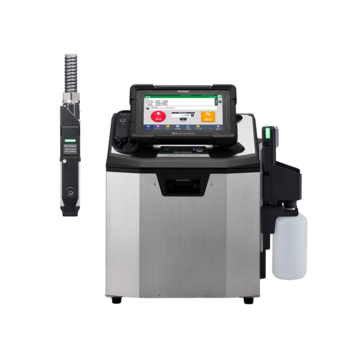
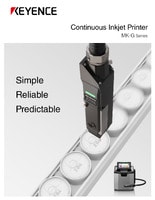
The KEYENCE MK-G Series of continuous inkjet printers offers non-contact printing for high-speed packaging lines. With a compact design and self-troubleshooting capabilities, it is an ideal solution for coding on candy and confectionery packaging.

Lot Coding and Marking on Candy and Confectionery
Cartons
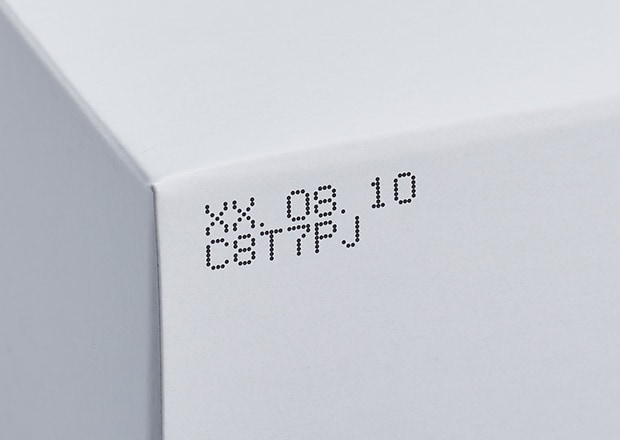
Paperboard Boxes
Paperboard boxes are popular for packaging candy, but traditional date coding on candy and confectionery products often causes smudged codes. MK-G Series continuous inkjet printers use advanced sensors and self-troubleshooting to ensure accurate, smudge-free coding.
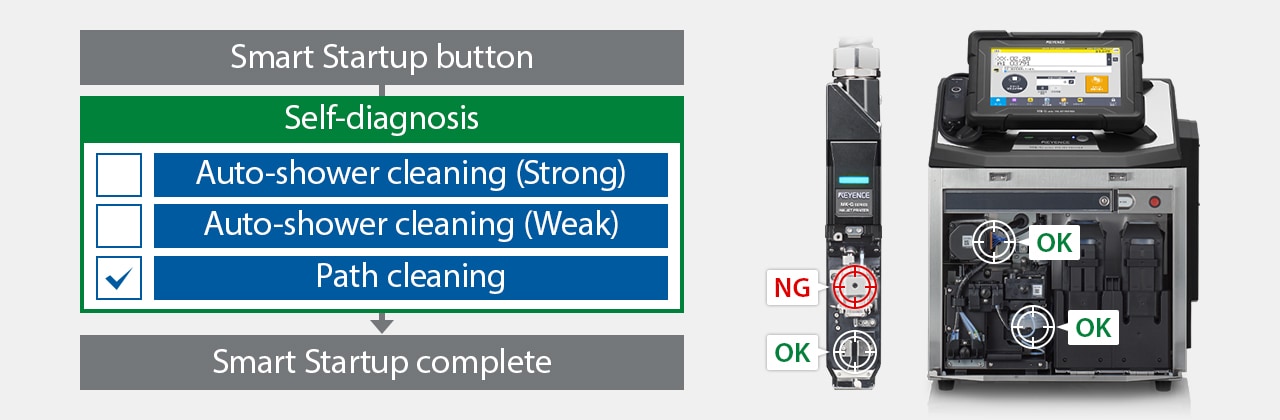
Using the MK Dock enables self-diagnosis and cleaning to ensure stable startup.
Pouches
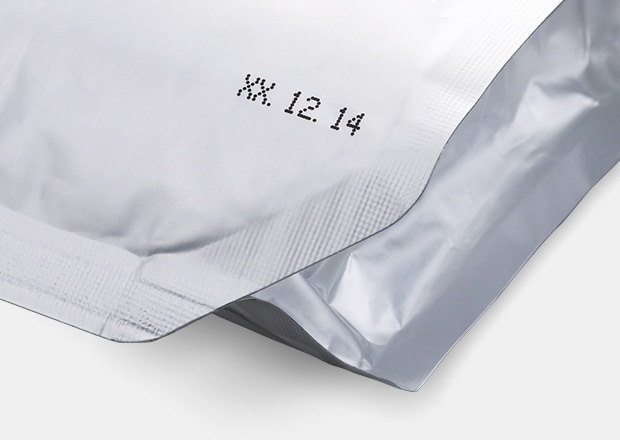
Pouches
Pouches offer flexibility/design versatility, but coding them is challenging due to varying sizes/materials. The MK-G Series has automatic ink particle optimization for clear coding on any pouch.
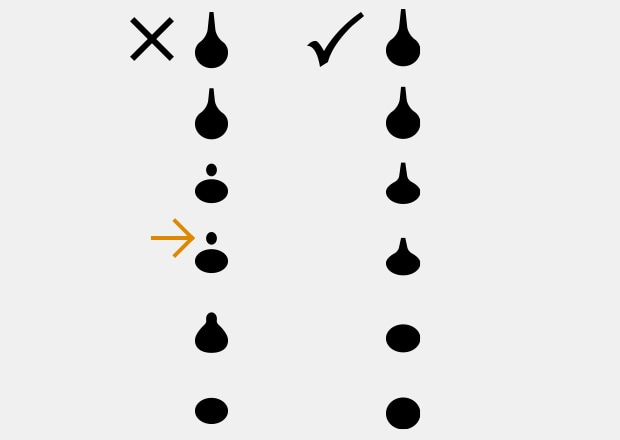
Particle state:
If the optimum ink state is not maintained, the inside of the head may become dirty, and print quality may deteriorate.
KEYENCE Advantages
Automatic ink particle optimization:
The MK-G Series senses the ink particles 10 times per second, so it can automatically adjust itself to maintain optimum ink particle conditions. Stable printing is ensured by suppressing the impact of temperature fluctuations.
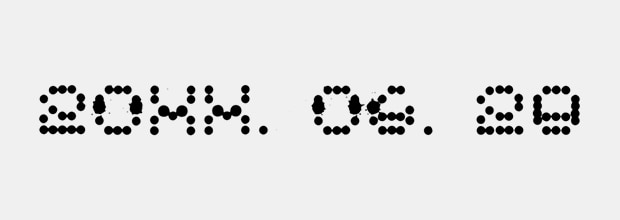
Less-than-optimal state of particles
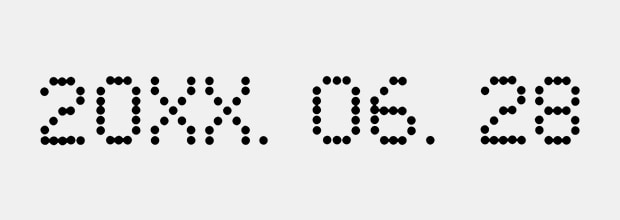
Optimal particle state
Bags
Multiple pre-printed bag variations increase costs and complicate inventory. CIJs for the food and beverage industry print barcodes, logos, and product information directly on bags, eliminating pre-printed designs.
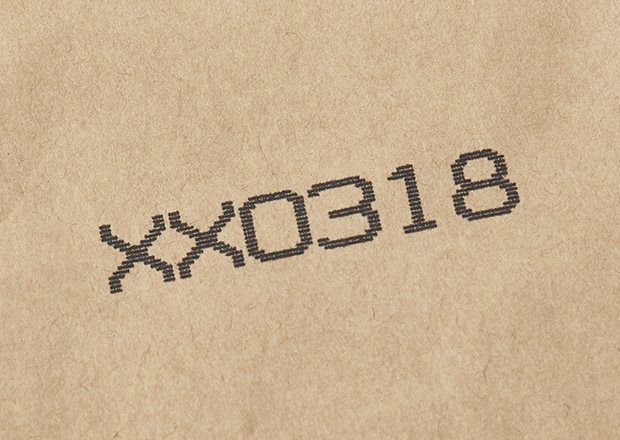
Bags
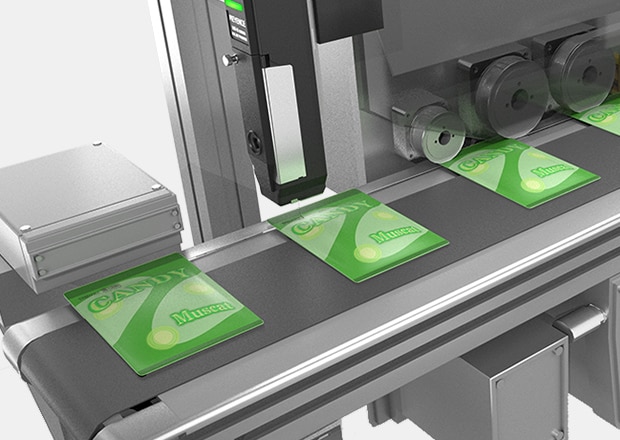
Installation example
Flow Wrappers
Flow wrappers' high speed makes traditional coding inconsistent and illegible. MK-G Series ensures accurate coding with dynamic print control, intelligent print head positioning, and accurate print interval configuration.
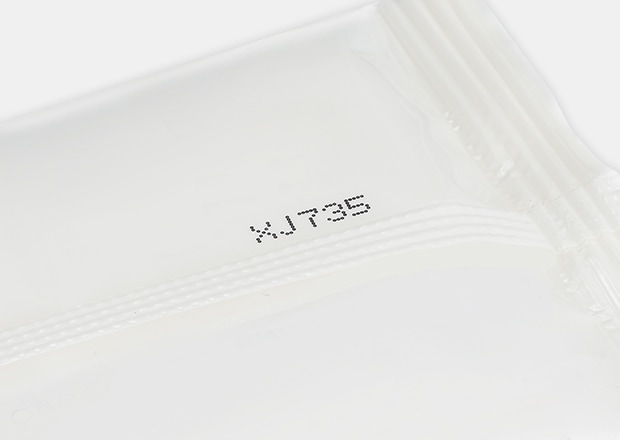
Film packaging
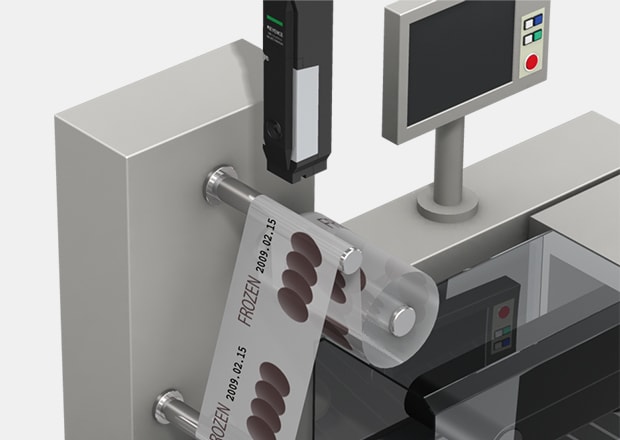
Installation example
Key Features of Inkjet Code Printing for Confectionery
Inkjet code printing on confectionery lines relies on features that support consistency during long production runs. For KEYENCE continuous inkjet (CIJ) systems, these capabilities include:
- Automatic ink monitoring
- Stable character formation
- Self-diagnostic startup controls
- Non-contact printing for flexible packaging
- Reduced reliance on manual adjustment
Performance Factors That Impact Code Quality
For confectionery industry printers, code quality is influenced by conditions on the line. Issues like sugar dust building up around equipment, or vibrations and shifting package position affecting where characters land.
Industrial coding for confectionery is expected to operate through these conditions with minimal interruption, with stable output over long runs, which reduces the need for repeated adjustments and helps keep identification readable as products move through inspection, packing, and distribution.

Challenges in Date Coding on Candy and Confectionery Products
High-Speed Production Lines
With rising demand, manufacturers seek faster production. Industrial inkjet printers are designed for high-speed lines, printing codes at an average of 300 meters (1143′) per minute.
Variety of Product Shapes and Sizes
Unlike traditional packaging, candies have irregular shapes, making consistent print quality difficult. The MK-G Series uses high-speed, non-contact inkjet printing to accurately print on any surface.

Glass containers
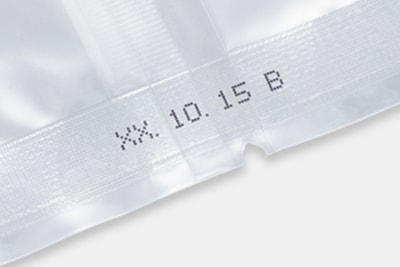
Heat-sealed packages
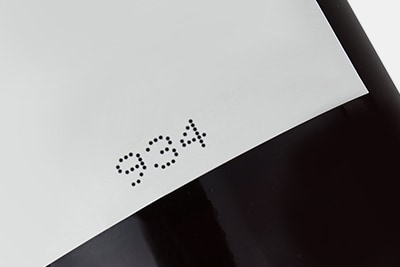
Bottle labels
Difficult Operating Environments
A major challenge in coding on candy and confectionery is harsh environments like extreme temperatures and humidity. The KEYENCE MK-G Series, with its IP55-rated head and controller, ensures reliable coding in these conditions.
Food Safety Regulations
Accurate coding on candy and confectionery is vital for compliance and product tracking in candy manufacturing. CIJ printers ensure clear codes on small packaging, maintaining food safety and efficiency.
CIJ vs Other Coding Technologies
Confectionery lines place very specific demands on coding systems, and information like dates, lot numbers, and line identifiers often change from run to run, sometimes within the same shift. In situations like these, food and confectionery coding solutions need to keep pace without slowing production or requiring extended setup time.
CIJ is commonly used in these environments because it can apply variable information directly onto flexible packaging as it moves through the line. Its role within food and confectionery coding solutions is shaped less by feature comparison and more by how reliably it handles changing print content across different materials.
Get customized packaging code solutions now with KEYENCE.

FAQs About Date Coding in the Candy and Confectionery Industry
What Are the Regulatory Requirements for Date Coding on Candy and Confectionery Packaging?
Regulatory requirements for candy and confectionery products' date coding on candy packaging vary. The FDA mandates a clear expiration or "best if used by" date on all candy.
Can CIJ Date Coding Solutions Handle the Unique Packaging Materials and Shapes Often Found in the Candy and Confectionery Industry?
The KEYENCE MK-G Series provides reliable, non-contact printing, making it suitable for various packaging materials.
How Does Accurate Lot/Date Coding Help in Managing Inventory and Reducing Waste for Candy and Confectionery Manufacturers?
Precise candy and confectionery product date coding allows manufacturers to track shelf life and manage inventory, helping to avoid overproduction and potential waste.
What Are the Key Considerations When Selecting a Coding and Marking Solution for Candy and Confectionery Production Lines?
There are several key considerations to keep in mind like product packaging, maintenance, production speed, ink type, traceability requirements, and ease of integration.
How Do Date Coding Solutions Contribute to Counterfeit Prevention for Candy and Confectionery Manufacturers?
Marking production and expiration dates on products helps consumers verify authenticity, protecting brand reputation and preventing sales loss from counterfeits.
Related Products
Related Downloads
-
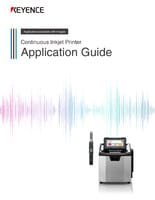
Continuous Inkjet Printer Application Guide
This guide explains continuous inkjet (CIJ) printer applications together with pictures and illustrations. It contains many installation examples in various industries divided into food, medicine, and cosmetics; electrical machinery and electronics; and automotive, metal, and others. These examples show printing on targets specific to each industry.

![Process-specific Marking Applications [Food/Pharmaceutical Industry]](/img/asset/AS_133442_L.jpg)